
The Sunday Night Reset: How Our Family Stopped Dreading the Week Ahead
Learn how a simple Sunday night reset routine helped our family reduce stress, stay organized, and stop dreading Monday mornings.

On Sundays, it used to be a mess. This was not because the day didn't go well, but because we were too busy preparing for the day ahead. It was so chaotic that everything felt all over the place.
It was never anything dramatic; just a creeping realization that tomorrow was Monday and nobody had packed a bag. I had no idea what was for dinner on Tuesday, and all three kids were somehow still in their pajamas from that morning. We were, to put it plainly, in a real “week” spot.
The Sunday Reset (my oldest son named it) started as a breakdown that somehow got organized into a plan. One particularly rough Monday morning, somewhere between hunting for Lily's missing sock and realizing Marcus had "definitely done" his homework but couldn't locate it, I decided something had to change. What I wanted was simple: to stop losing my mind one Sunday at a time.
It Starts With Food
Sunday dinner is the best dinner. Every Sunday we either cook something substantial together or we order a feast from somewhere everyone can agree on; with three kids at three very different stages of having opinions, that second option involves its own weekly negotiation. Some weeks, agreeing on where to order takes longer than the actual cooking would have.
We eat at the table, phones in another room, for about an hour. That's been the one rule we've actually kept, and I think it's the reason the whole thing works.
The Trade
After dinner, we do "the trade." Everyone, including my husband and me, shares one thing they're dreading about the week and one thing they're genuinely looking forward to.
It started by accident when Jade, our fifteen-year-old, was venting about an upcoming history presentation and then added, almost as an afterthought, "but at least the weekend trip is Friday." We ran with it, and now it's a ritual.
Marcus is the one who surprised us most. He's eleven and doesn't usually volunteer much about his week, but give him a structure and he shows up. He's shared things on Sunday nights that we might have missed entirely otherwise, and our kids watch us do it too, which sets a tone we couldn't have planned for.
It turns out that when you ask a seven-year-old what she's looking forward to, the answer ("library day and the special pencils") can genuinely reset the energy in a room. Ten minutes, every Sunday, and we actually know where everyone's head is at going into the week.
The Practical Part
Then comes the prep. School bags get packed right after dinner; this took roughly two months of nudging to become automatic and now takes about eight minutes. Lily's lunchbox gets sorted, Marcus tracks down his homework, and Jade sorts out whatever binder situation she's got going that week.
My husband and I pick out a few outfits for the week too, which sounds fussier than it is. It's saved us from that specific Monday morning paralysis of staring into the wardrobe with absolutely no ideas.
We keep a loose meal plan on the kitchen whiteboard, which also means I stop getting that 4 PM text asking what's for dinner while I'm still at work. Lily lobbies for pasta every time; Marcus wants tacos at least twice a week and usually lands one.
Jade has recently declared herself "mostly vegetarian," which the rest of us are taking one week at a time. Chores get divided based on who has what going on that week, and giving the kids a say in how it's split means they're more likely to actually follow through on what they agreed to.
The Digital Check-In
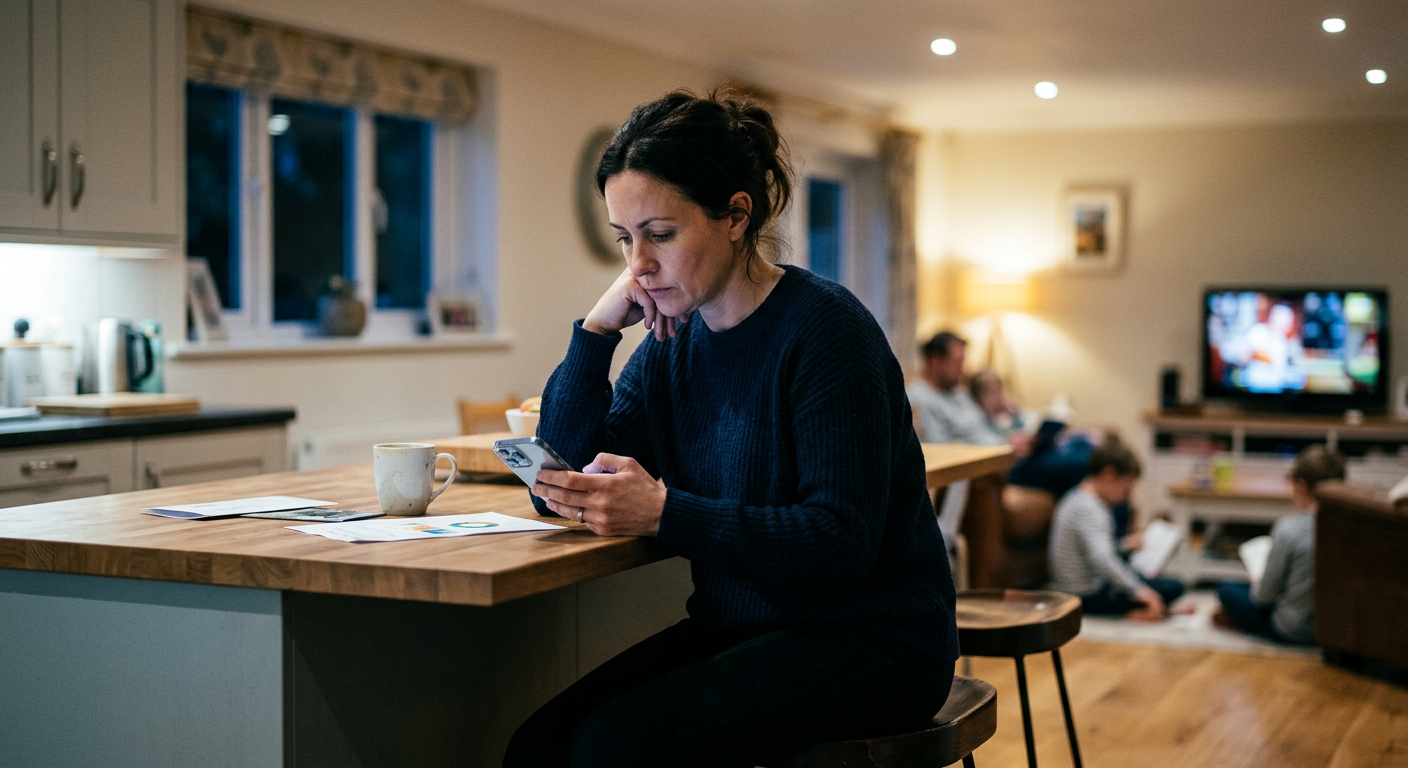
You know what used to ruin it for us? The kids' phones. Three kids means three devices, with two parent devices, three entirely different relationships with apps and screen time, and group chats I can only partially decode (what is 67 again?).
My husband and I are Android people, but the kids inherited iPhones from their cousins. For the longest time, Sunday nights meant me fumbling with two different parental apps. Last year we finally found a single way to manage everything from our Android phones, which (I believe) removed the biggest friction from our reset routine.
The check-in is about awareness: which apps are new, which ones are eating more time than we realized, and whether the limits we set are actually working. When it's easy to see the full picture, I can talk to the kids about screen time instead of guessing at it, and that shift turned out to be bigger than I expected.
The Part Nobody Warned Me About
What I didn't see coming is that the reset would change how I actually feel about Sundays. Organized and calm turned out to be two different things; we've had tidy, well-prepped Sundays that still felt tense, and messier ones that felt completely fine.
The hour at the table and the ten minutes of The Trade carry more weight than I'd expected. The rest of the prep matters, but those two things are what actually make Sunday feel different from the rest of the week.
There's a feeling around 9 PM on the good ones that I don't have a great word for: bags by the door, kitchen mostly clean, kids winding down, the week sketched out loosely on a whiteboard. Settled is the word for it.
A Few Things Are Enough
What almost stopped us was perfectionism. We were constantly trying to “get it perfect” before we started. If the first few Sundays feel a little staged, that's normal. The routine gets easier once everyone stops expecting it to be seamless.
A few real anchors are worth more than a flawless system you abandon by February. Find a meal that actually happens. Build a ten-minute ritual that pays off in ways you won't fully see until a few months in. Even a loose structure helps more than you'd think.
P.S. We still have chaotic Mondays; they just surprise us a lot less.