
What to Look For When Choosing a Wheelchair Cargo Bike
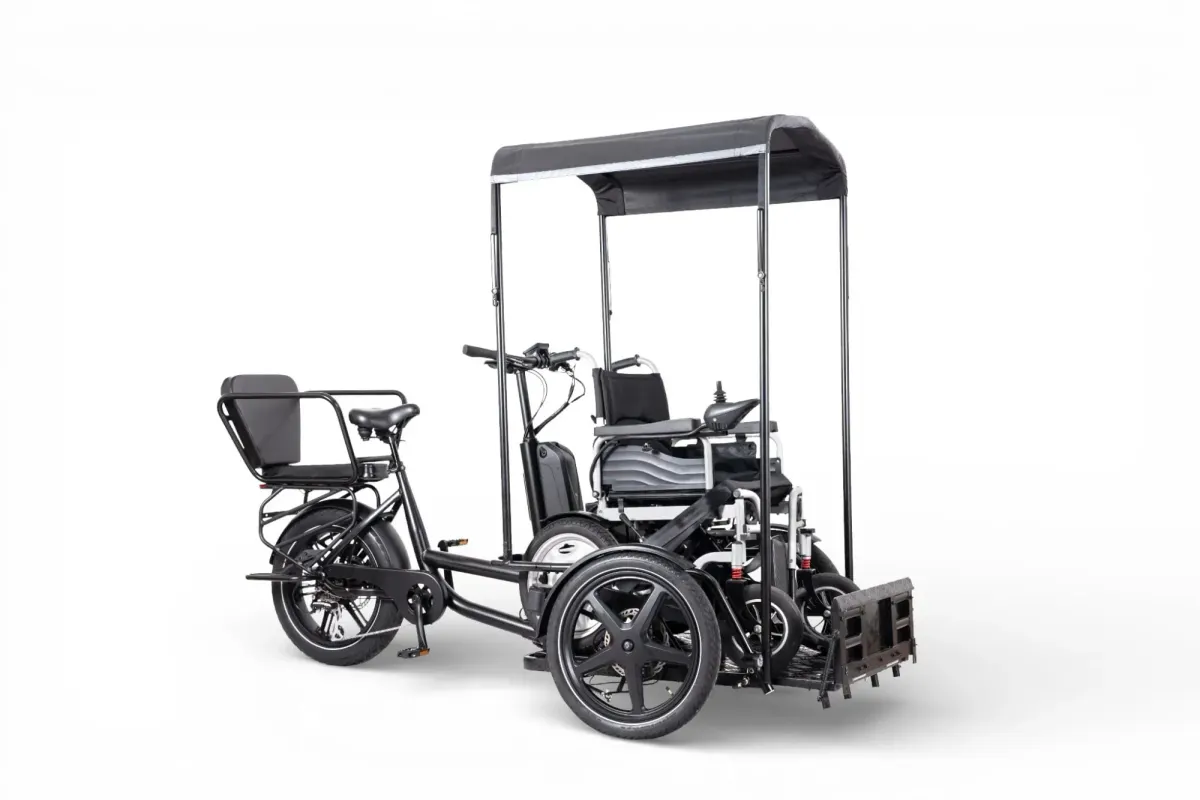
A wheelchair cargo bike is a practical mobility solution that combines a bicycle with wheelchair transport, allowing a person to travel safely while remaining seated in their wheelchair. These systems can offer real independence and flexibility, but choosing the right one requires careful attention to safety, comfort, and usability, not just technical specs.
How the Wheelchair Connects to the Bike
The most important part of any system like this is how the wheelchair is secured to the bike.
Different designs exist: some use a front-mounted platform, others fully integrate the wheelchair into the frame, and some function as a modular attachment.
Focus on:
- A secure locking mechanism that prevents movement during travel
- Easy, safe loading without heavy lifting
- Compatibility with your specific wheelchair
- Quick and intuitive release when you arrive
If this step feels complicated or unstable, the rest of the experience will suffer.
Stability and Safety on the Road
Because you are transporting a seated passenger, stability is critical.
Look for:
- A wide, balanced wheelbase
- Strong braking system (disc brakes are common in good models)
- Low center of gravity to reduce tipping risk
- Anti-roll features, especially on slopes or during stops
A stable design builds confidence for both the rider and passenger.
Comfort During the Ride
Comfort is just as important as safety, especially for longer trips. Many modern wheelchair adapted bicycles are designed with this in mind, focusing on smoother rides and better support for the seated passenger.
Good designs include:
- Suspension systems to absorb bumps
- Smooth acceleration and braking
- A well-cushioned platform for the wheelchair
- Optional weather protection like rain covers or canopies
Even short rides should feel steady and not overly rough.
Electric Assistance and Power
Most modern wheelchair cargo bikes are electric-assisted, which makes transport much easier, especially when carrying extra weight.
Pay attention to:
- Motor strength for hills and heavier loads
- Battery range based on your real daily travel needs
- Adjustable support levels for different conditions
- Smooth, predictable power delivery
Underpowered systems can quickly become frustrating in real-world use.
Size and Everyday Handling
These bikes are larger than standard bicycles, so practical handling matters a lot.
Consider:
- Whether it fits through gates, paths, or storage spaces
- How easy it is to steer in tight areas
- Parking space at home or destinations
- Overall weight and maneuverability for the caregiver or rider
A good design should feel manageable, not overwhelming.
Build Quality and Durability
This type of bike carries significant responsibility, so it must be built to last.
Look for:
- Strong frame construction
- Weather-resistant materials
- Reliable wheel and brake systems
- Good warranty coverage and spare parts availability
A durable build reduces long-term costs and maintenance stress.
Practical Everyday Features
Small details often determine how useful the bike is in daily life:
- Storage space for bags or essentials
- Integrated lights and reflectors for visibility
- Parking brake for secure stops
- Optional folding or modular parts for transport or storage
These features make daily use much easier and more convenient.
Maintenance and Service Support
Even high-quality systems need upkeep.
Before choosing, check:
- Availability of local servicing
- Ease of replacing parts like tires or brakes
- Battery replacement options
- Quality of customer support
Reliable service support is just as important as the bike itself.
Real-World Testing
If possible, always try before committing.
Test:
- Loading and unloading the wheelchair
- Riding on slopes or uneven surfaces
- Turning and stopping in real conditions
- Comfort over a longer ride, not just a short demo
This is where you’ll notice what specs alone don’t show.
Final Thoughts
Choosing a wheelchair cargo bike is ultimately about finding a balance between safety, comfort, and practicality. The best option isn’t necessarily the most advanced, it’s the one that fits naturally into everyday life and feels secure for both rider and passenger.
When everything works together smoothly, it becomes more than transportation, it becomes a genuine extension of mobility and freedom.