First impressions online often make or break businesses. And for startups in St. Petersburg, your website isn’t just a digital business card. It’s always the first impression a potential customer, partner, or investor has of you.
That impression can decide whether they can trust you or move on to the next option.
DIY website builders make it tempting to cut corners. They’re fast, cheap, and look good enough at first glance. But here’s the catch: what seems like a simple fix today often becomes the very thing holding your growth back tomorrow.
Templates can’t tell your story. Generic design doesn’t build credibility. And a site without a conversion strategy leaves potential customers on the table.
That’s why many startups turn to a website development agency in St. Petersburg that they can trust.
In this article, we’ll break down why DIY website builders limit startup growth, and how building with conversion-first design from the start creates the foundation for real traction.
The Appeal of DIY Website Builders
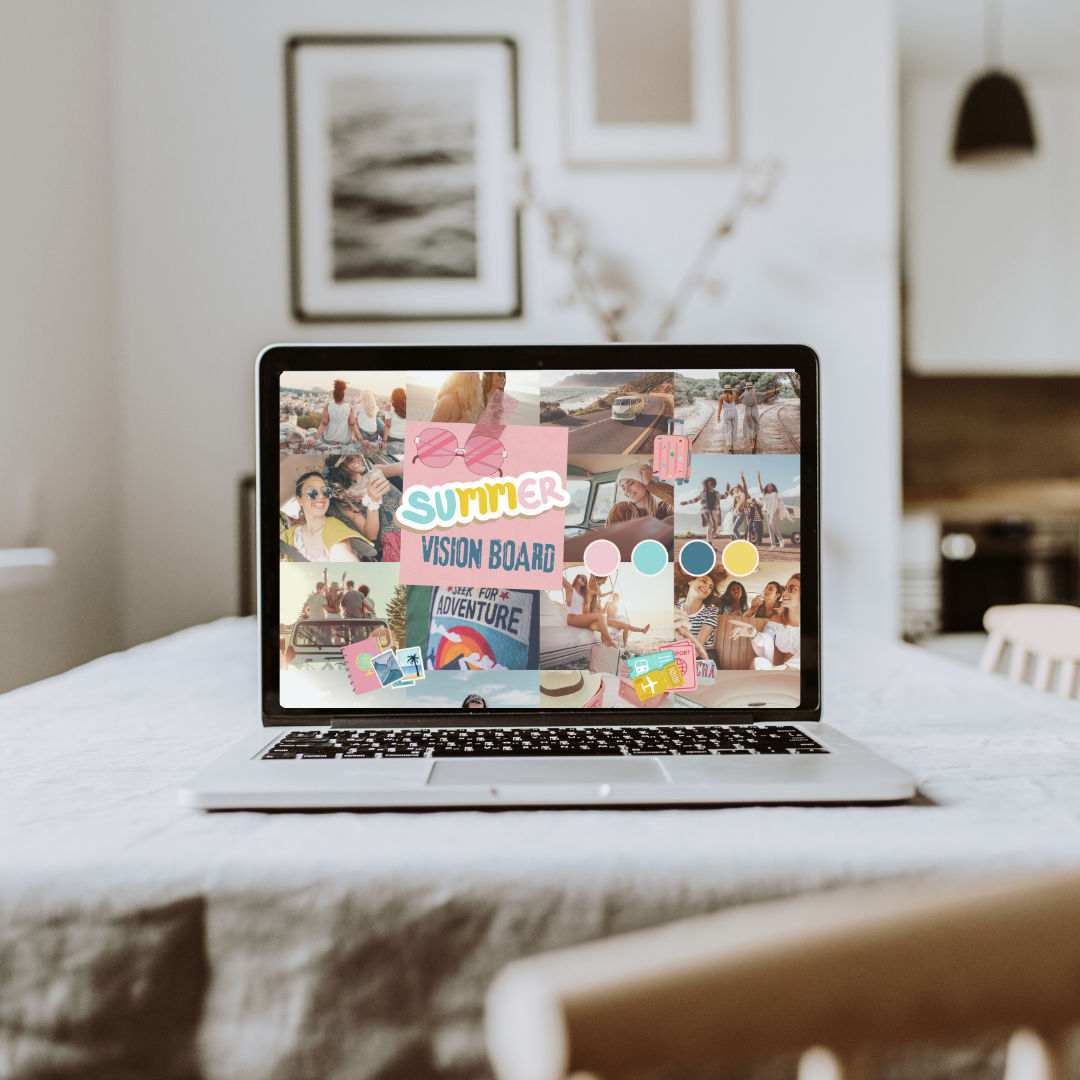
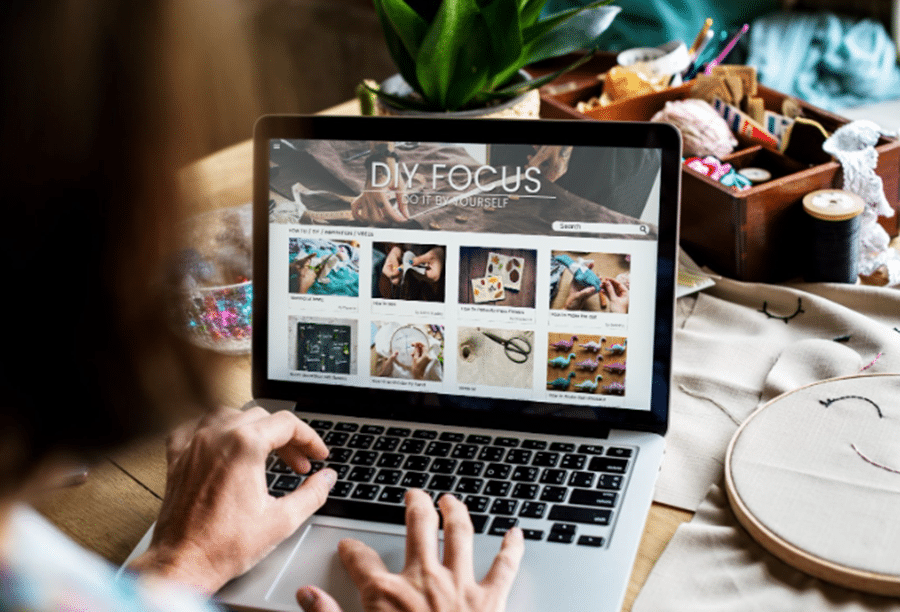
It’s easy to see why many startups turn to DIY website builders. They make developing a website look simple. And for a startup with limited time and budget, it feels like the perfect solution.
Here’s what makes them so appealing, especially for startups:
- Fast launch
You can have a site live in a weekend without coding knowledge. You just need to drag and drop sections, add your business’s information, products, and services, and you’re done!
- Low cost
Compared to hiring a website development team, monthly subscriptions are cheap. When budgets are tight, paying $20–$50 a month sounds a lot safer than investing thousands upfront.
- Creative Control
In a DIY website builder, you just pick the layout, colors, and fonts you like, then drag and drop until the site looks the way you want. It feels empowering to make changes yourself without waiting on anyone.
- No tech barrier
Most builders don’t require technical skills, which is appealing in the early days. You don’t need to know a single line of code. For many first-time founders, the ease makes it seem like anyone can launch a “professional” site overnight.
For startups, these advantages feel practical. And they solve an immediate problem: getting online fast. But what seems like a win today can quietly create bigger obstacles tomorrow.
The Hidden Limitations of DIY Sites
The perks of DIY website builders are real, but so are the drawbacks. What feels like a quick, affordable win often creates hidden roadblocks that slow your growth and frustrate your customers.
Here are some of the most common limitations that startups face:
- Template traps
DIY platforms rely on pre-made templates that look polished at first but are used by thousands of other businesses. The result? Your site looks generic, making it harder to stand out in a competitive market.
- Poor scalability
Adding advanced features, such as booking systems, e-commerce tools, online stores, or custom integrations, is often difficult or impossible. As your business grows, your site struggles to keep up with your customers’ needs.
- Limited SEO visibility
Visibility matters, especially for startups trying to attract their first customers. DIY builders don’t often meet the SEO requirements to enable your website to appear where it counts: on Google.
- Performance issues
Many template-based sites load slowly, break on mobile devices, or aren’t very user-friendly. Today’s users won’t wait around. They don’t have the attention span for it and will bounce to a competitor’s site in seconds.
- Conversion gaps
Perhaps the biggest issue: DIY websites are built for appearance, not performance. They rarely include conversion-focused layouts, testing, or analytics. So, even if you get traffic, visitors often leave without taking action.
These limitations can turn a website into more of a liability rather than an asset. A website that simply “looks nice” won’t cut it. You need one that helps you win customers and expand.
Why Conversion-First Design Matters for Startups
A website isn’t just a digital brochure. It’s the engine behind your growth. For startups, every click, form fill, checkout, and call matters. That’s why a site designed around conversions is so important.
Here’s what conversion-first design does that DIY builders can’t:
- Guides visitors to take action
A conversion-focused site is built with a purpose. Clear calls-to-action, user-friendly layouts, and intentional design elements guide users to schedule an appointment, request a demo, or make a purchase.
- Builds trust and credibility
Customers judge your business in seconds. A clean, professional design signals reliability, while a thoughtful user experience makes your brand feel approachable and trustworthy.
- Supports measurable growth
Conversion-first design isn’t guesswork. It uses tools like analytics, heat maps, and A/B testing to see what’s working and what isn’t—so you’re always improving.
- Turns traffic into results
Getting visitors to your site is one thing; turning them into customers is another. Conversion-focused design ensures your marketing dollars don’t go to waste.
For startups, this isn’t about design for design’s sake. It’s about building a site that actively supports your growth goals. Without a conversion-first approach, your website may attract visitors—but it won’t consistently turn them into customers.
Signs You’ve Outgrown Your DIY Website
DIY platforms can get you online fast, but they rarely keep up as your startup grows. If any of these sound familiar, it may be time to move on.
- Leads aren’t converting
Traffic comes in, but forms stay empty, and calls don’t happen.
- Your site looks cookie-cutter
When you look at competitor websites, they look sharper, something that really resonates with their branding. And yours blends in with the crowd like any generic template.
- Fixes never stop
There’s always something that needs fixing. Whether it’s a new plugin update, a patch in the layout, or a troubleshooting issue, the fixes just keep piling up.
- Credibility is in question
Investors, partners, or even customers hint that your site feels “basic”, which puts your brand’s credibility on the line.
When your website holds you back instead of moving you forward, it’s a sign you’ve outgrown the DIY stage. At that point, investing in a professional solution stops being optional; it becomes essential.
How A Website Development Agency Changes The Game
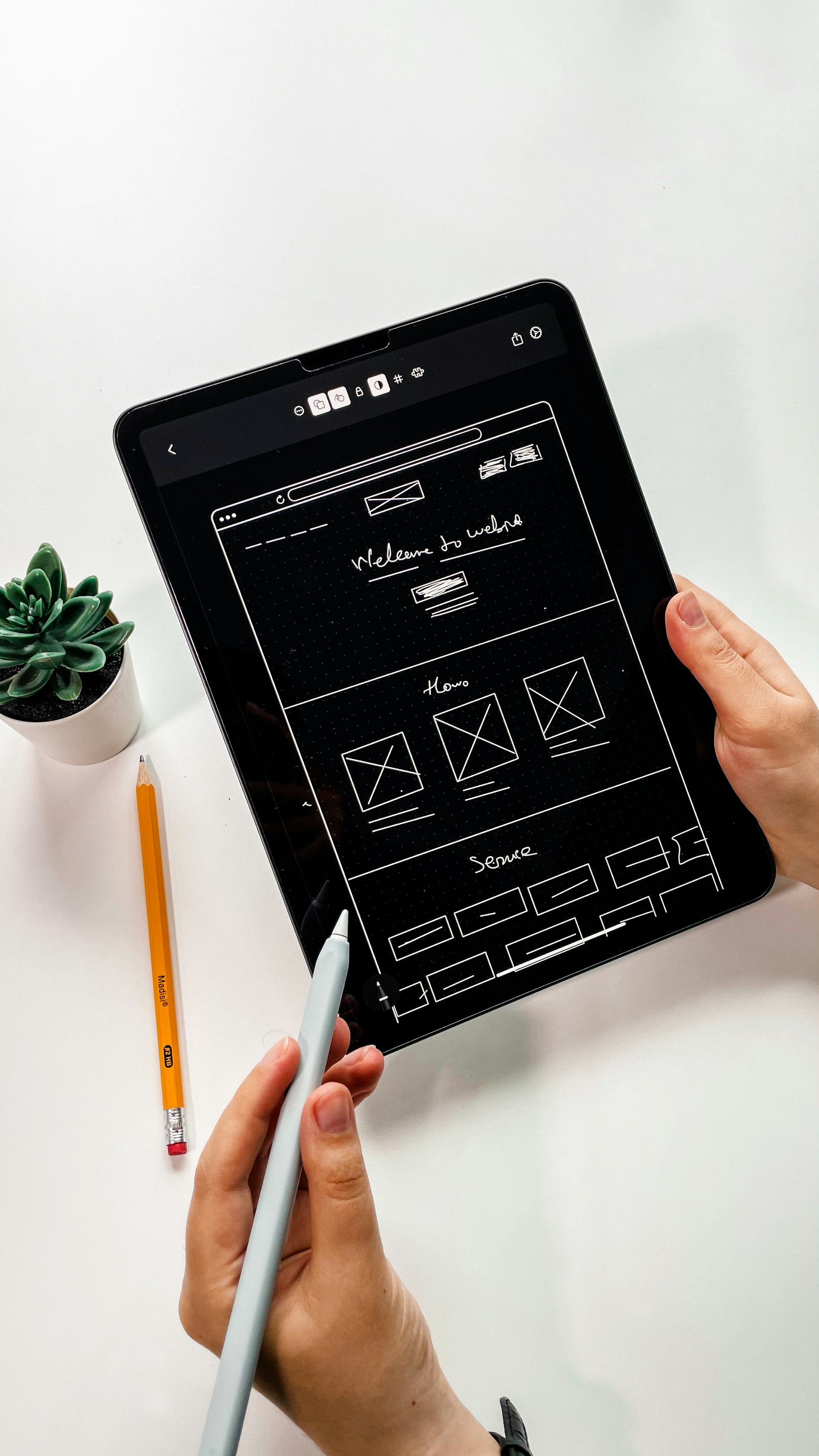
Moving beyond a DIY website changes everything. A professional partner designs with your goals in mind, creating a site that reflects your brand and guides customers to act.
Instead of patching templates, you get a foundation built for conversions, speed, and growth. It shows investors and customers that your business is serious.
That’s what you gain with a website development agency that startups rely on. It’s not just about having a site online. It’s about having one built right the first time, with strategy and support that grows as you do.
Build For Growth, Not Just For Today
DIY website builders can get you online quickly, but they rarely prepare you for the growth your startup deserves. Generic templates, limited tools, and poor scalability often turn what feels like a shortcut into a roadblock.
For startups in St. Petersburg, the smarter move is building a site that converts from the start. Conversion-first design creates trust, captures leads, and scales with your business. It’s the difference between a site that simply looks nice and one that drives real results.
Partnering with a website development agency gives you more than a website. It gives you a long-term foundation for growth. With strategy, design, and support aligned, your site works harder for you from day one.