

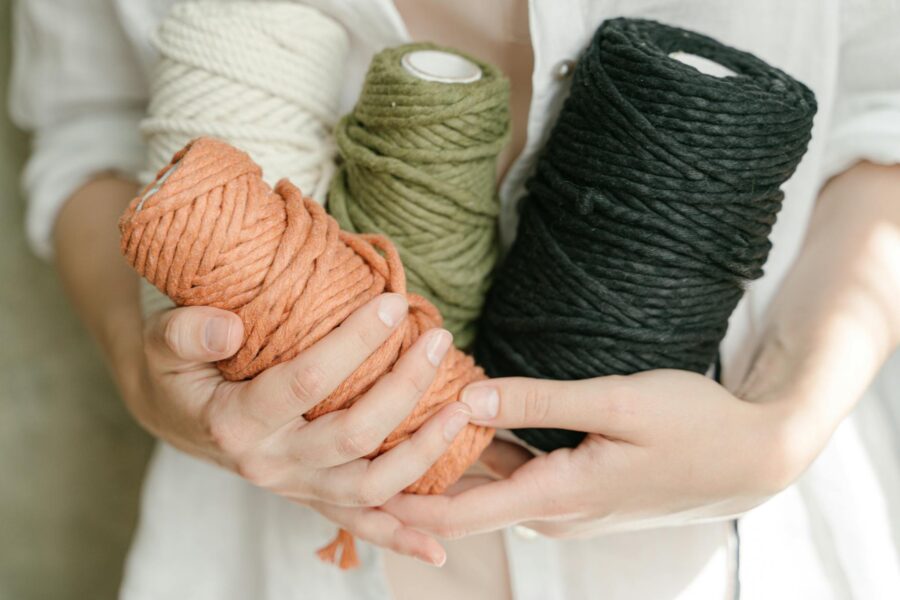
Want to make your fashion brand more eco-friendly?
Embroidery services are getting a major green makeover. With 67% of consumers now prioritizing sustainability when choosing brands, it's time to rethink how you approach decorative stitching.
Here's the thing:
Traditional embroidery practices aren't exactly planet-friendly. From synthetic threads to chemical-heavy dyes, the industry has been stuck in old habits for way too long.
But there's good news...
The sustainable embroidery revolution is here, and it's easier to jump on board than you might think. Whether you're looking for embroidery in Harrisburg or anywhere else, eco-friendly options are becoming the new standard.
What You'll Discover:
- Why Sustainable Embroidery Matters for Your Brand
- Game-Changing Eco-Friendly Materials You Need to Know
- Smart Production Techniques That Save Money and the Planet
- How to Market Your Green Embroidery Efforts
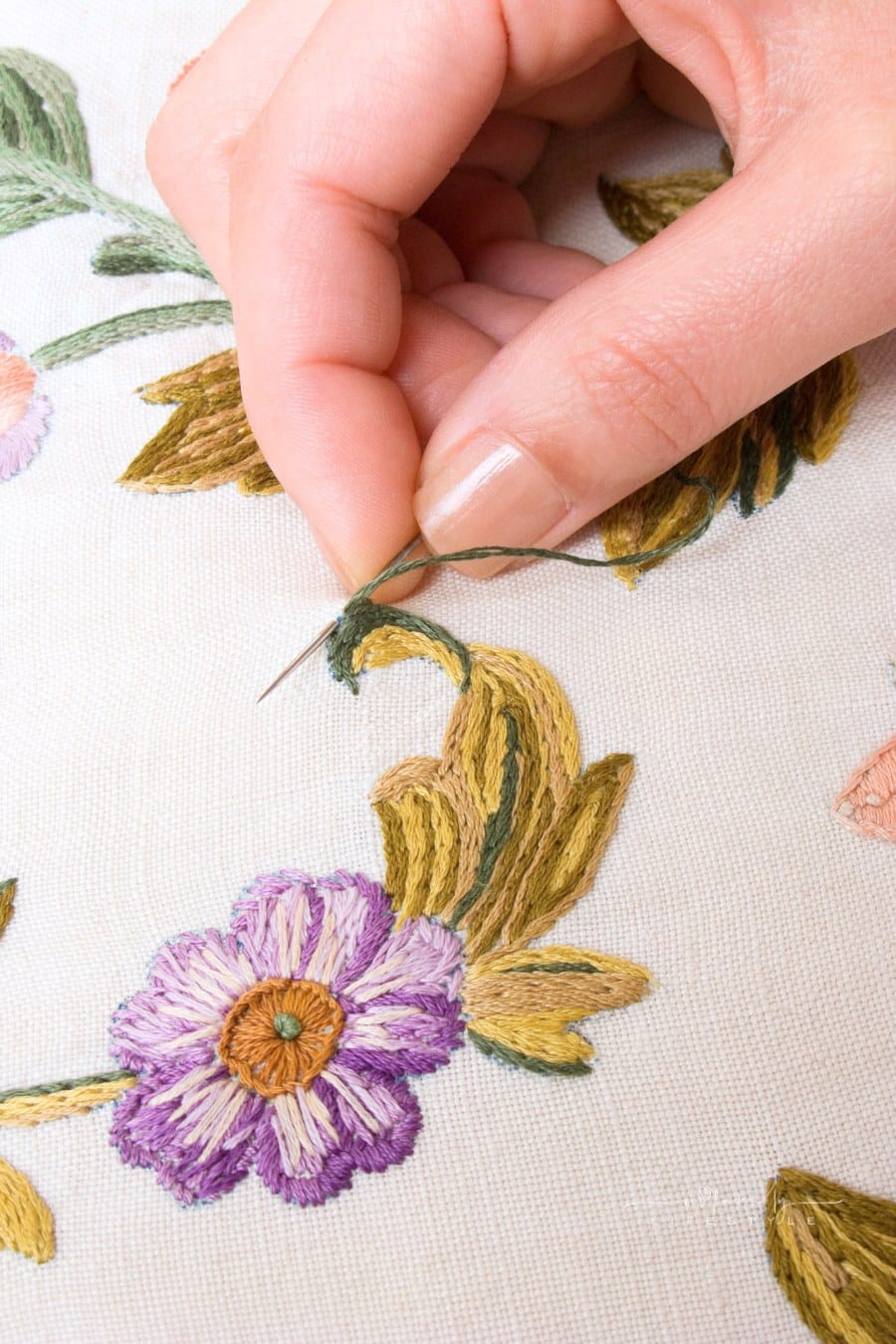
Why Sustainable Embroidery Matters for Your Brand
The fashion industry is going through a massive transformation.
And here's the kicker...
The global sustainable fashion market was valued at USD 8.1 billion in 2024 and is expected to reach USD 33.1 billion by 2033. That's a compound annual growth rate of 22.9%.
Pretty impressive, right?
But what does this mean for embroidery services? Everything.
Traditional embroidery methods create surprising environmental damage. Synthetic threads take decades to decompose. Chemical dyes pollute waterways. Energy-intensive production processes pump out carbon emissions.
Here's what most people don't realize:
Every piece of embroidered clothing tells a story about your brand's values. When customers see that intricate logo or design, they're also seeing your commitment to the planet.
And today's consumers are paying attention. Consumers are willing to spend an average of 9.7% more on sustainably produced goods, even during economic uncertainty.
That means sustainable embroidery isn't just good for the environment -- it's good for business too.
Game-Changing Eco-Friendly Materials You Need to Know
Ready to make the switch to sustainable materials?
The options available today will blow your mind. Gone are the days when eco-friendly meant sacrificing quality or limiting creative options.
Organic Cotton Threads
Organic cotton is the heavyweight champion of sustainable embroidery materials.
Why it works:
- Grown without harmful pesticides or synthetic fertilizers
- Completely biodegradable
- Available in virtually every color you can imagine
The best part? Organic cotton threads perform just as well as traditional cotton, but without the environmental guilt.
Recycled Polyester Threads
Here's something that'll surprise you...
Some of the strongest embroidery threads are now made from recycled plastic bottles. Companies like Madeira have developed recycled polyester threads that match traditional synthetic options while diverting waste from landfills.
Bamboo and Hemp Fibers
Want to try something completely different?
Bamboo grows incredibly fast without needing pesticides. Hemp is even tougher and more sustainable. Both create threads that are naturally antibacterial, moisture-wicking, and completely biodegradable.
Natural Dyes and Eco-Friendly Inks
But here's where it gets really interesting...
The dyeing process is where traditional embroidery does the most environmental damage. Natural dyes made from plant-based sources offer beautiful alternatives that create unique, earthy tones.
Water-based inks are another game-changer. They're less harmful to the environment and safer for workers to handle.
Smart Production Techniques That Save Money and the Planet
Sustainable embroidery isn't just about materials...
It's about rethinking your entire production process. And the best sustainable practices often end up saving money in the long run.
Precision Planning Reduces Waste
Here's something most embroidery businesses overlook:
Proper digitization and planning can reduce material waste by up to 30%. When you optimize your embroidery designs for efficiency, you use less thread, fewer stabilizers, and less energy.
Energy-Efficient Equipment
Modern embroidery machines are significantly more energy-efficient than older models. Some newer machines use up to 40% less electricity while maintaining the same production speed and quality.
Biodegradable Stabilizers and Backings
Traditional stabilizers are often made from synthetic materials that don't break down naturally.
But here's the solution:
New biodegradable stabilizers made from organic materials perform just as well while reducing your environmental footprint.
Water-Based Cleaning Solutions
Water-based alternatives are just as effective as harsh chemical solvents while being safer for workers and better for the environment.
How to Market Your Green Embroidery Efforts
Now here's where things get exciting...
Once you've implemented sustainable practices, you need to tell the world about it. And done right, this can become a powerful marketing tool.
Transparency Builds Trust
Today's consumers want to know exactly how their products are made. Be transparent about your sustainable practices by sharing details about eco-friendly materials and waste reduction efforts.
Use the Right Keywords
When marketing your sustainable embroidery services, use terms that environmentally-conscious customers are searching for like "organic embroidery" and "eco-friendly stitching."
Partner with Eco-Conscious Brands
Here's a strategy most people miss:
Actively seek partnerships with fashion brands that prioritize sustainability. These companies are often willing to pay premium prices for embroidery services that align with their values.
Get Certified
Certifications like GOTS (Global Organic Textile Standard) or OEKO-TEX Standard 100 provide third-party validation of your sustainable practices.
Overcoming Common Challenges
Let's be honest...
Making the switch to sustainable embroidery isn't always smooth sailing. But most challenges have straightforward solutions.
Cost Concerns
Yes, some eco-friendly materials cost more upfront. But consider the bigger picture:
- Premium pricing for sustainable services
- Reduced waste saves money long-term
- Energy-efficient equipment lowers operating costs
- Growing market demand for green options
Limited Color Options
Early sustainable threads had limited color ranges. That's no longer true.
Today's organic and recycled threads come in virtually every color imaginable. Natural dyes are also expanding color possibilities while maintaining environmental benefits.
Customer Education
Not every customer understands why sustainable embroidery matters. Make education part of your sales process:
- Explain the environmental benefits
- Highlight quality advantages
- Share cost-saving opportunities
- Demonstrate long-term value
Taking Action on Sustainable Embroidery
Sustainable embroidery practices aren't just a trend -- they're the future of the industry.
With the sustainable fashion market growing at over 22% annually, brands that don't adapt risk being left behind. But those that embrace eco-friendly practices position themselves for tremendous growth.
The bottom line?
Sustainable embroidery delivers benefits across the board:
- Attracts environmentally-conscious customers
- Commands premium pricing
- Reduces long-term operating costs
- Builds positive brand reputation
- Supports global sustainability efforts
The transition doesn't have to happen overnight. Start with sustainable practices and build from there. Replace traditional threads with organic alternatives. Switch to water-based inks. Optimize your designs for waste reduction.
Every small step moves your business toward a more sustainable future while meeting the growing demand for environmentally responsible fashion.
Ready to make the switch?
The sustainable embroidery revolution is happening now. The only question is whether you'll lead the charge or follow from behind.
Wrapping Things Up
Sustainable embroidery practices represent one of the biggest opportunities in today's fashion industry.
With consumers increasingly prioritizing environmental responsibility, eco-friendly embroidery services are positioned for explosive growth.
The materials, techniques, and technologies exist today to make sustainable embroidery practical and profitable. From organic cotton threads to energy-efficient equipment, every aspect can be made more environmentally friendly.
The fashion brands that embrace these practices now will be the ones that thrive in tomorrow's eco-conscious marketplace. And the embroidery services that support them will build sustainable, profitable businesses while helping protect the planet.
The time for sustainable embroidery is now. The question isn't whether to make the switch -- it's how quickly you can get started.