That moment when you notice water stains spreading across your ceiling changes everything. What started as a small discoloration now demands your attention, and suddenly you're facing a decision that affects both your budget and your home's protection. Should you call for a quick repair, or does this signal something more serious?
Homeowners across the country wrestle with this question, often uncertain about which path leads to the smartest investment. Your roof shields everything beneath it from the elements, making the choice between repair and replacement one that deserves careful consideration.
Understanding Roof Lifespan and When Action Is Needed
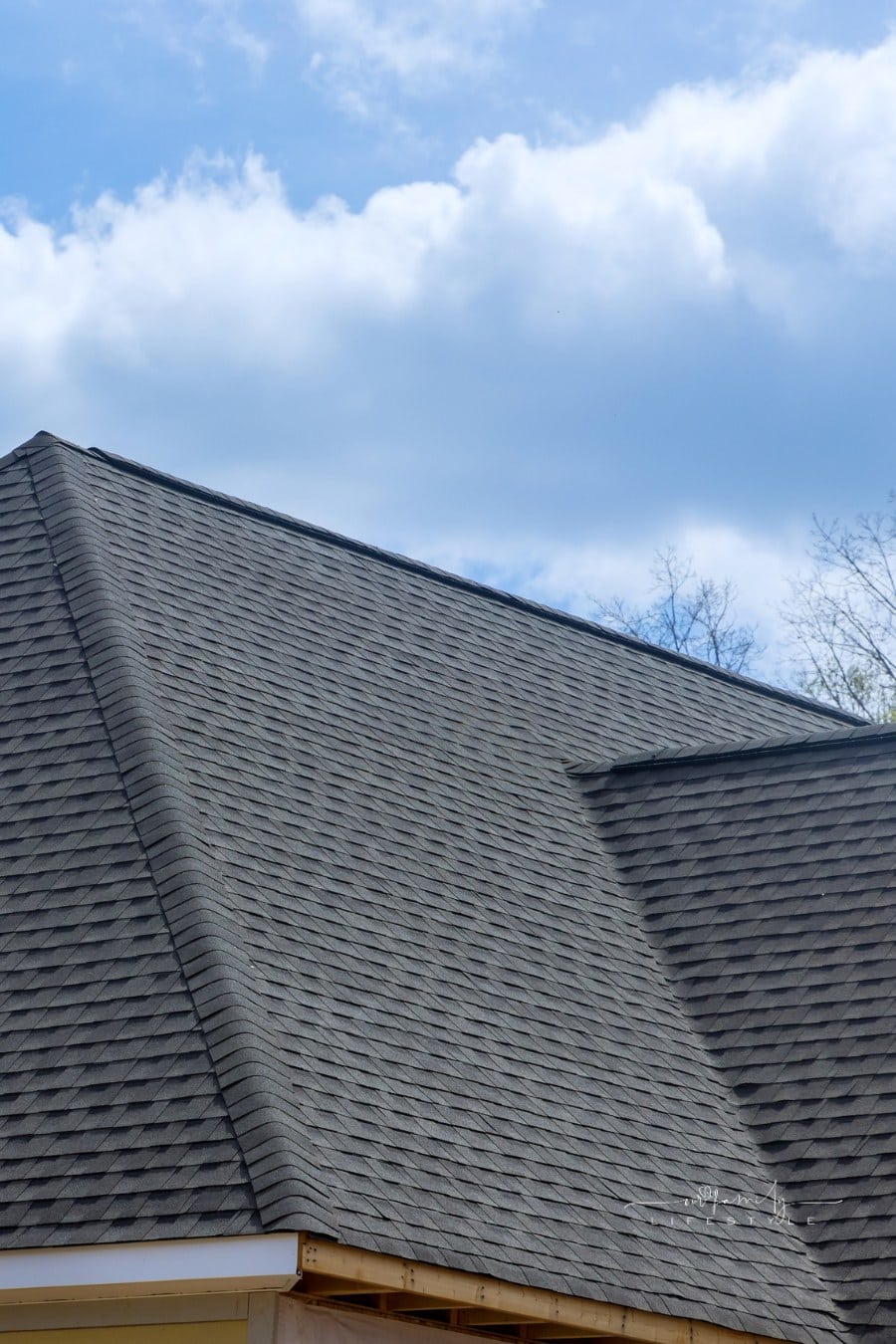
Every roofing material comes with its own timeline. Asphalt shingles typically serve homes well for 20 to 25 years before showing significant wear. Metal roofs often surpass the half-century mark with proper maintenance. Tile and slate installations can last even longer, sometimes outliving multiple generations of homeowners. These figures provide guidance, but real-world conditions shape actual performance.
Your local climate accelerates or extends these timelines considerably. Homes enduring intense summer heat, frequent hail storms, or rapid temperature fluctuations see their roofs age faster than those in milder environments. Ventilation quality matters too.
Attics that trap heat and moisture create conditions where roofing materials break down prematurely, rotting from the inside while appearing intact from the street. Poor installation practices compound these challenges, sometimes cutting expected roof lifespan in half through improper techniques or substandard materials.
Visual Signs Your Roof Needs Replacement
Certain damage patterns leave no room for half measures. When shingles across large sections curl at the edges or cup in the middle, you're seeing material failure that spot repairs can't address. These distortions mean the shingles have lost their ability to create watertight seals, leaving your home vulnerable regardless of how many individual pieces you replace.
A sagging roof deck creates an emergency situation requiring immediate professional evaluation. This visible dip indicates the structural supports underneath have weakened, potentially from years of undetected water intrusion or inadequate framing from the original construction. No amount of new shingles fixes compromised structural integrity.
Granule loss transforms functional shingles into failing protection. Those small, sand-like particles shield the underlying material from ultraviolet damage and weather exposure. Check your gutters after rainfall. Significant granule accumulation there signals your roof is losing its defensive coating rapidly, accelerating deterioration across the entire surface.
Perhaps most alarming is visible daylight filtering through your roof boards when you stand in the attic. This unmistakable sign means gaps have formed in your roof's structure, allowing not just light but also moisture, pests, and energy loss into your home.
Warning Signs That May Only Require Roof Repair
Not every problem demands complete replacement. A few missing shingles after a windstorm might need nothing more than targeted replacement. Strong winds can lift individual pieces without damaging surrounding areas, making localized repairs both practical and cost-effective.
Minor roof leak indicators appearing in specific spots often trace back to failed flashing rather than wholesale roof failure. These metal or composite strips guide water away from vulnerable areas like chimneys, valleys, and vent pipes.
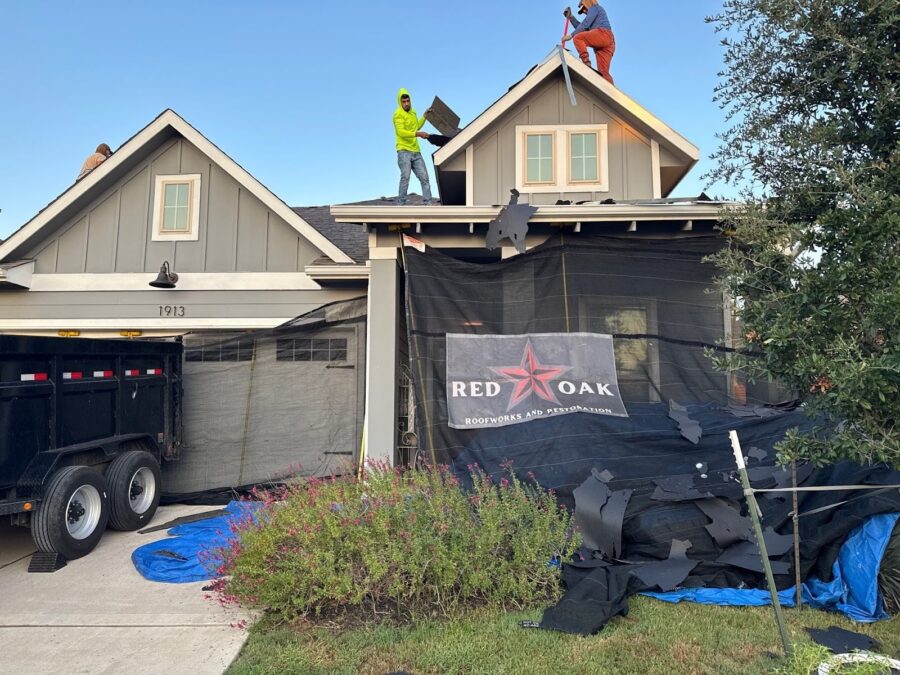
Professional evaluations from experienced contractors, including specialists in roofing in Georgetown, TX such as Red Oak Roofworks and Restoration markets and beyond, can determine whether resealing or replacing flashing resolves moisture issues without broader intervention.
Damaged flashing creates water entry points while the rest of your roof remains sound. Replacing these targeted components often extends your existing roof's service life by years, protecting the investment you've already made.
Small sections of cracked or broken shingles might result from falling branches, heavy foot traffic during maintenance, or isolated weather events. When damage stays confined and surrounding materials maintain good condition, strategic repairs deliver excellent value.
How to Conduct a Basic Home Roof Inspection
Regular inspections catch problems before they escalate into emergencies. Begin your assessment from ground level using binoculars to scan for obvious issues. Look for missing pieces, dark streaks suggesting algae growth, or sections where the roofline appears to sag or dip.
Inside your attic, examine the underside of your roof deck carefully. Water stains, even old ones, indicate previous or ongoing leaks. Daylight visible through boards confirms structural gaps. Check insulation for dampness or compressed areas that signal moisture problems. These interior clues often reveal developing issues before external symptoms become apparent.
While homeowner inspections provide valuable monitoring, they cannot substitute for professional roof damage assessment. Trained inspectors recognize subtle warning patterns that untrained observers miss, and they possess the equipment and experience to safely navigate steep or high roof sections that pose dangers to property owners.
When properly installed, a roof inspection company can provide comprehensive evaluations that identify both obvious and hidden concerns affecting your roof's performance and longevity.
Roof Replacement vs Repair: Cost Comparison Analysis
Financial considerations naturally influence this decision. Roof repair cost typically ranges from a few hundred dollars for minor fixes to several thousand for extensive patching work. These repairs extend your roof's life temporarily but don't reset its age-related decline.
Complete replacement represents substantial investment, frequently running between $5,000 and $15,000 or more depending on home size, material selection, and labor rates in your area. This upfront expense delivers a fresh warranty period, enhanced energy efficiency, and decades of reliable protection.
The long-term value equation requires honest evaluation of your roof's remaining lifespan. Repeatedly patching an aging roof can ultimately exceed replacement costs while providing inferior protection.
Industry professionals often recommend replacement when repair expenses approach 30 percent of what a new roof would cost, particularly if your existing roof has already served most of its expected lifespan.
Critical Aging Roof Signs That Shouldn't Be Ignored
Certain deterioration patterns indicate your roof has entered its final service phase. Widespread curling or cupping means moisture has penetrated the material, causing warping that destroys waterproof seals. Once this pattern becomes visible across multiple roof sections, the degradation accelerates rapidly.
Moss and algae growth creates more than aesthetic concerns. These organisms retain moisture against roofing materials, speeding decay and potentially voiding manufacturer warranties. While cleaning provides temporary improvement, persistent regrowth on older roofs suggests the protective granule layer has worn away, leaving materials exposed to biological colonization.
Multiple leak points appearing throughout your home tell an unambiguous story. Your roof's waterproofing has failed systemically. One isolated leak might warrant repair, but widespread moisture intrusion indicates comprehensive failure that targeted fixes cannot resolve adequately.
When Should You Replace Your Roof Instead of Repairing It?
The 30 percent guideline offers practical decision-making structure. When estimated repair costs exceed 30 percent of replacement costs, new installation typically delivers better long-term value. This calculation accounts for both immediate expenses and future reliability.
Age becomes increasingly important as your roof approaches its design lifespan. A 20-year-old asphalt shingle roof experiencing its first major problems likely needs replacement rather than repair, since additional failures will probably emerge quickly as materials continue aging.
Modern roofing systems offer performance advantages worth considering. Today's materials feature improved reflectivity, ventilation designs, and energy efficiency compared to installations from even a decade ago.
Upgrading can substantially reduce cooling expenses while enhancing indoor comfort. Professional assessments can evaluate whether your current system meets contemporary performance expectations or whether replacement would deliver measurable benefits.
What Are the Most Reliable Signs Your Roof Needs Replacement?
Making informed choices between repair and replacement protects both your property and your financial investment. Trust your observations, but validate them through professional assessment. Document changes you notice over time through photographs and written notes, creating a timeline that helps professionals understand your roof's deterioration pattern.
Schedule annual inspections to identify problems in their early stages when intervention costs less and prevents secondary damage. Don't postpone addressing identified issues. Water damage compounds exponentially, transforming manageable repairs into necessary replacements within surprisingly short timeframes.
Your roof performs the essential job of protecting everything beneath it. Giving it appropriate attention ensures it continues fulfilling that critical role effectively throughout its service life and helps you recognize when that service life has reached its natural end.