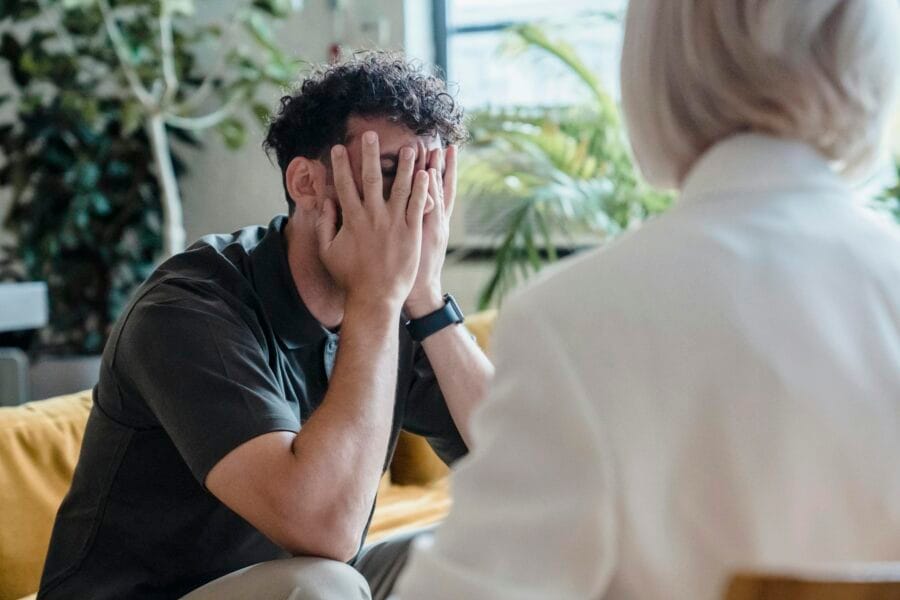


Teen girls today face rising rates of depression, anxiety, trauma, and self-harm. Many families find that outpatient therapy alone isn't enough when a teen needs more structured support. Residential treatment provides 24/7 therapeutic care in a live-in setting for teens who need more than weekly counseling.
The North Texas area connects families to qualified mental health professionals, year-round outdoor programming, and evidence-based care options. This article covers what makes residential treatment effective for troubled teen girls and explains how the process works.
What Makes a Residential Program Effective for Teen Girls
Teen girls tend to internalize distress differently from boys. Instead of acting out, many girls show signs through anxiety, perfectionism, self-harm, and withdrawal. Girls-only settings create safer spaces for vulnerability, especially for those who have experienced trauma.
When girls don't have to manage the social pressure of mixed-gender environments, they often open up more authentically about their struggles. Gender-responsive programs address issues specific to adolescent girls, including body image concerns, social pressure, self-worth questions, and relational dynamics. These programs understand that many teens arrive with multiple co-occurring conditions.
That's why comprehensive assessment at intake matters so much. Residential treatment for teen girls in Dallas typically begins with thorough evaluations to build individualized care plans. Many teens show symptoms of both mental health disorders and behavioral challenges at the same time.
A program that treats the whole person, not just isolated symptoms, creates better long-term outcomes. Residential treatment in Dallas can address this full picture through multidisciplinary teams working together.

Conditions Commonly Treated in Residential Programs
Residential programs in the Dallas area treat a range of mental health and behavioral conditions. The most common include:
- Depression
- Anxiety disorders (including social anxiety and panic disorder)
- PTSD and complex trauma
- Self-harm and suicidal ideation
- Substance use disorders
- Eating disorders
- Oppositional and behavioral challenges
Strong programs don't just target one diagnosis. They work with multidisciplinary teams that address the full picture of a teen's mental health, family dynamics, academic needs, and emotional development. This team approach ensures that treatment plans reflect each girl's unique circumstances and goals.
Therapies Used in the Best Residential Programs for Teen Girls
Top programs in North Texas combine evidence-based clinical therapies with experiential and nature-based approaches. This blend helps teens build skills in different settings and practice what they learn in real time.
Dialectical Behavior Therapy (DBT)
DBT teaches emotional regulation, distress tolerance, mindfulness, and interpersonal skills. It's one of the most effective modalities for teen girls dealing with self-harm, mood disorders, and emotional dysregulation. DBT breaks down complex emotional responses into manageable parts and gives teens practical tools they can use daily.
Cognitive Behavioral Therapy (CBT)
CBT helps teens identify and restructure negative thought patterns linked to depression, anxiety, and trauma. Many programs use specialized protocols like Trauma-Focused CBT to address past painful experiences. CBT works because it teaches girls to challenge automatic thoughts and replace them with healthier, more balanced perspectives.
EMDR (Eye Movement Desensitization and Reprocessing)
EMDR is a trauma-processing therapy that uses bilateral stimulation to help the brain heal from distressing memories. It's especially effective for teens who struggle with traditional talk therapy or who feel stuck when trying to verbalize traumatic experiences. EMDR allows the brain to reprocess memories in a less triggering way.
Group Therapy
Group therapy provides a peer-supported setting where teen girls practice communication, build self-esteem, and reduce isolation through shared experiences. Many girls feel relieved when they hear others describe similar struggles. Group settings teach interpersonal skills and create a sense of belonging that counters the loneliness many teens feel.
Experiential and Holistic Therapies
Many programs incorporate equine-assisted therapy, art therapy, adventure therapy, yoga, and mindfulness practices. The North Texas area, with its ranches, lakes, and mild climate, supports nature-based and outdoor therapeutic programming year-round.
Teens learn to regulate emotions through physical activities, connect with animals in healing ways, and express feelings through creative outlets. These approaches complement clinical therapies by giving girls hands-on ways to practice coping skills.
What the Treatment Process Looks Like
Residential treatment typically unfolds in three phases, each with specific goals and activities.
Phase 1: Assessment and Stabilization
The first one to two weeks involve comprehensive evaluations. Teams conduct psychiatric, psychological, physical, and educational assessments to understand each teen's needs. An individualized treatment plan is built with specific, measurable goals based on these findings. During this phase, the teen adjusts to daily structure, routines, and the therapeutic community. She meets her care team, gets familiar with the environment, and begins to feel safe.
Phase 2: Active Therapy and Skill Building
This is the heart of the program and typically lasts several weeks. The daily schedule includes individual therapy sessions, group therapy, academic instruction, and experiential activities. Teens progress through a tiered milestone system as they demonstrate growth and apply new skills. This phase focuses on building emotional regulation, improving communication, processing trauma, and practicing healthy coping strategies in real-life situations.
Phase 3: Transition and Aftercare
As discharge approaches, the focus shifts to preparing for life after treatment. Step-down care is arranged based on each teen's needs. This might include partial hospitalization, intensive outpatient therapy, or standard outpatient therapy. Before leaving, the teen and her family work with the care team to create a relapse prevention plan and safety plan. Family involvement during this phase helps everyone understand how to maintain progress at home.
Why Dallas Is a Strong Location for Residential Treatment
The Dallas-Fort Worth area provides several practical advantages for residential treatment. The mild climate allows for year-round outdoor therapy, including equine-assisted activities, adventure therapy, and nature-based programming. The region has a large concentration of licensed mental health professionals with specialized training in adolescent care.
Proximity to ranch land and natural areas supports experiential therapies that help teens connect with the outdoors and animals as part of their healing. The area's major airport makes travel accessible for families across the country who are seeking quality care in a supportive environment.
Moving Forward with Confidence
The right residential program can be a turning point. Recovery is possible with the right support, skilled professionals, and a treatment approach that addresses the full scope of a teen's needs. If you're considering residential treatment options in the Dallas area, reach out to a qualified mental health professional who can guide you through the evaluation process and help match your daughter's needs with the right program. You're not alone, and help is available.