

The purchasing power of consumers has seen a shift in recent years, moving towards brands and companies that prioritize the planet and demonstrate ethical business practices and social responsibility.
As a result, a growing number of people are exercising their spending power by supporting brands and businesses that are committed to sustainable practices.
These include fair labor practices, lower greenhouse gas emissions, and non-pollution of the planet. One notable area where this is happening is in the world of fashion.
This trend is highlighted by recent figures that reveal that the global sustainable fashion market size was valued at $8.1 billion in 2024 and is expected to reach $33.1 billion by 2033.
When it comes to clothing, it can be difficult to know where to begin when embracing a more sustainable approach.
In this article, we have outlined some key areas to focus on to help you make sustainable fashion work for you.

Seek Sustainable Brands
When buying new clothes, look for brands that place high importance on sustainable practices in the production of their garments and take measurable steps to reduce their carbon footprint and harmful impact on the planet.
By supporting these brands, you can help to address some of the challenges posed by the fashion industry today.
Rather than buying items of clothing that have been manufactured consuming high amounts of energy, excessive water, and damage to the environment, choose alternatives that prioritize factors such as ethical sourcing, eco-friendly materials, and sustainable production processes.
Choose Sustainable Materials
Synthetic clothing materials such as acrylic, nylon, and polyester are derived from petroleum, which is a non-renewable fossil fuel.
Not only does their production deplete the Earth of its natural resources and cause the release of greenhouse gas emissions, but these non-biodegradable materials also contribute to long-term environmental pollution, including the accumulation of microplastics in ecosystems and oceans.
According to the European Environment Agency (EEA), over 14 million tonnes of microplastics have accumulated on the world’s ocean floor, and the amounts are increasing every year, causing harm to ecosystems, animals, and people.
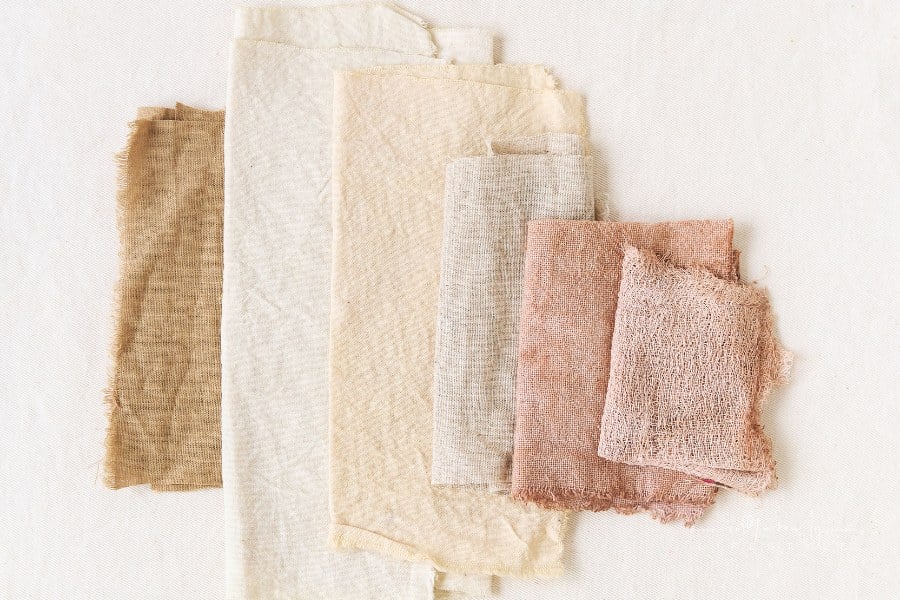
By choosing sustainable fabrics such as cotton, hemp, linen, and bamboo instead of synthetic fibers, you can make clothing choices that lower your carbon footprint while helping to prevent pollution and reduce waste accumulation.
When choosing fabrics, it is also helpful to look for fashion sustainability certifications.
These consider factors like fiber sustainability, chemical use, working conditions, fair trade, and recyclability, helping you find options that align with your fashion goals and values.
Look After Your Clothes
By looking after your clothes, you can greatly increase their lifespan, reducing the need to replace them.
You can do this through washing and storing your clothes correctly, fixing minor tears or repairs promptly, and even upcycling and transforming old items of clothing into new garments.
This not only saves money but can also help reduce demand for the production of new clothes and the associated carbon footprint, as well as reducing the amount of clothes that end up as waste in landfills.
Embracing a more sustainable wardrobe can be approached gradually. With the right knowledge and insight, you can make mindful choices that contribute to a healthier planet, reduce waste, and create a more ethical fashion industry.