
Walk into any store, scroll any fashion site, and you’ll notice the same tension everywhere: body hugging silhouettes on one rack, flowy shapes on the next.
Loose or tight?
It sounds simple, but it’s not. The fit of a dress can change how you move, how you feel, and even how long you stay comfortable at an event. The trick isn’t choosing sides. It’s finding balance.
Let’s break it down.
What a Tight Fit Really Does
A tight fitting dress follows your natural shape closely. It defines the waist. Highlights curves. Creates a clean, structured outline.
When it fits correctly, a fitted dress can feel polished and confident. Think tailored sheath dresses for work, bodycon styles for evenings out, or structured midi dresses that skim the body without squeezing it.
But here’s the part people often overlook. Tight does not mean small. Tight means precise. And sometimes precision comes down to small adjustments. Professional alterations can refine the waist, adjust strap length, or taper seams so a dress feels custom rather than restrictive.
If a dress pulls at the seams, restricts movement, or creates horizontal strain lines across the hips or bust, it’s not the right fit. A well fitted dress should feel supportive, not restrictive.
You should be able to sit comfortably. Raise your arms. Breathe without adjusting fabric every five minutes.
The right tight fit enhances shape. The wrong one creates tension.

The Appeal of Loose Silhouettes
Loose dresses offer ease. Movement. Airflow. They don’t cling. They drape.
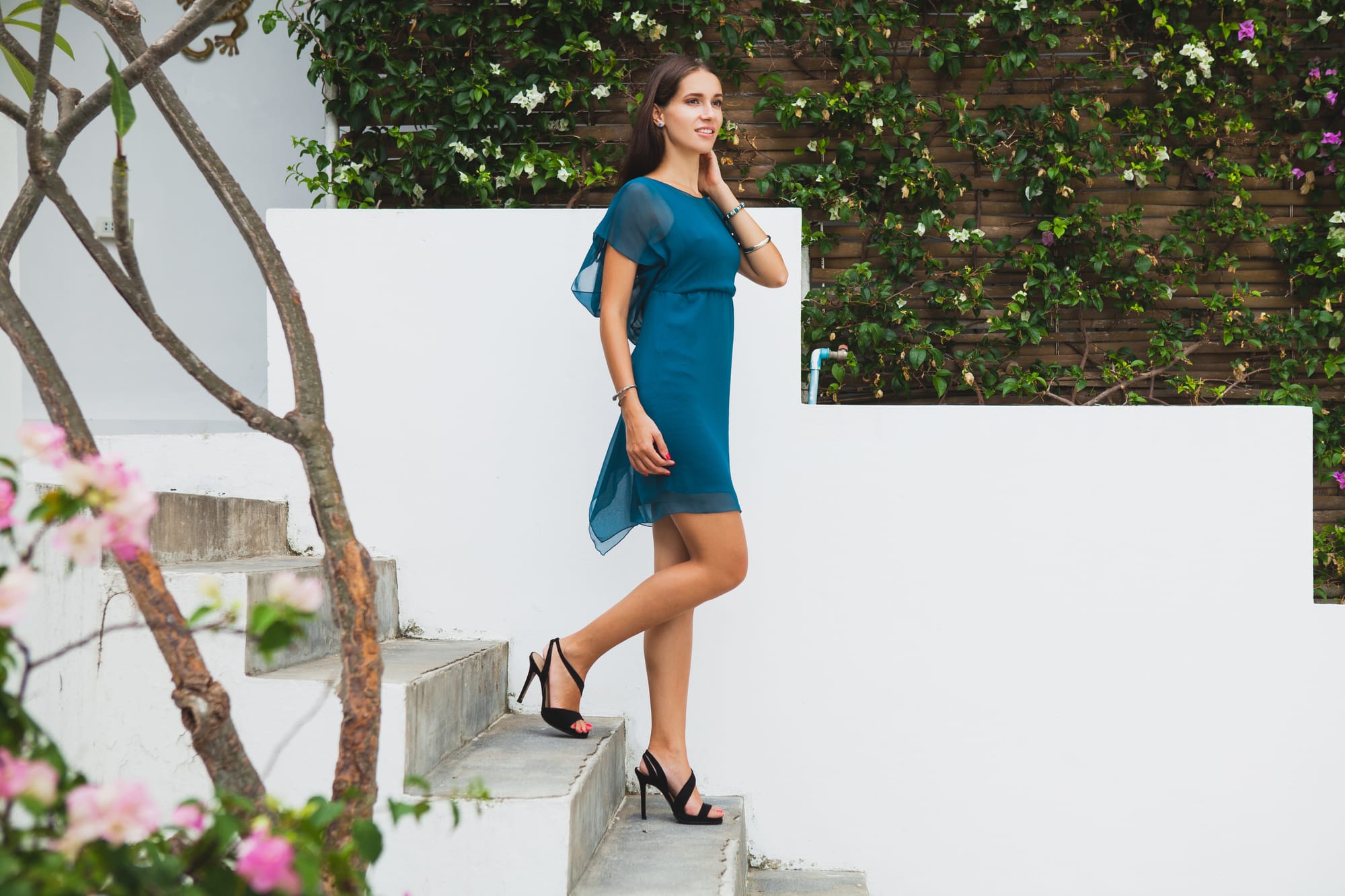
Flowy maxi dresses, oversized shirt dresses, relaxed A line cuts. These styles often feel effortless. They can skim over the body and create a softer outline.
Loose fits are especially appealing in warmer weather. Fabric that moves away from the body allows better ventilation. Comfort becomes part of the look.
But loose does not mean shapeless.
The most flattering relaxed dresses still have intention. Maybe it’s a defined shoulder seam. Maybe it’s subtle tailoring at the waist. Maybe it’s a belt that allows optional structure.
Without any shape at all, a loose dress can overwhelm the frame, especially if the fabric is heavy.
It’s Not About Body Type. It’s About Proportion
Fashion advice often turns into rules based on body type. In reality, proportion matters more than labels.
A petite frame might feel lost in excessive fabric. A very structured, tight dress might look severe without balance.
The key question is this: where does the dress define your shape?
Even loose dresses can create proportion by:
- Highlighting the waist with a tie or belt
- Cropping at the right hem length
- Structuring the shoulders
- Using vertical seams to guide the eye
Similarly, fitted dresses benefit from balance through neckline choice, sleeve length, or subtle draping.
Balance creates harmony.
Fabric Changes Everything
Fit is not just about cut. It’s also about material.
Stretch fabrics allow tighter silhouettes without restricting movement. Structured fabrics hold shape and create clean lines. Lightweight fabrics in loose designs create movement and softness.
A tight dress in a stiff fabric can feel rigid. The same cut in a stretch blend may feel supportive and comfortable.
Likewise, a loose dress in heavy fabric can appear bulky, while in chiffon or soft cotton it feels airy.
Fabric determines how the dress behaves once you put it on.
Occasion Matters More Than Trends
A fitted cocktail dress might feel perfect for an evening event but uncomfortable for a long daytime gathering. A loose sundress may feel relaxed at brunch but underdressed at a formal dinner.
Consider how long you’ll wear the dress. Will you be standing? Sitting? Dancing?
Comfort influences confidence more than trend alignment.
If you’re constantly adjusting straps or smoothing fabric, the fit isn’t working for you, no matter how stylish it looks in photos.
The In Between: Where Most Dresses Shine
The best dresses often live between loose and tight.
A tailored waist with a gently flared skirt. A fitted bodice with flowing sleeves. A relaxed shift dress with structured shoulders.
This middle ground allows freedom of movement while still defining shape.
It’s the difference between feeling dressed and feeling comfortable in your own skin.
Listening to Your Body
Sometimes the mirror says one thing and your body says another.
If you feel restricted, tugging at fabric, or overly exposed, that sensation will stay with you. On the other hand, if a dress feels like it moves with you, you’ll carry yourself differently.
Confidence isn’t about how tight a dress is. It’s about whether the fit supports you.
Try sitting down when you try on a dress. Walk around. Lift your arms. Small tests reveal a lot.
Finding Your Perfect Balance
Loose versus tight isn’t a competition. It’s a spectrum.
Some days you may want structure and definition. Other days you may want ease and flow. The right dress is the one that balances silhouette, fabric, and comfort in a way that suits your body and your plans.
When fit aligns with movement and proportion, everything else falls into place.
Because the perfect dress doesn’t just look right.
It feels right.
If you enjoy comfortable, well-fitting casual wear, you might also like these Dog Dad T Shirts. They combine relaxed everyday fits with playful designs that dog owners will appreciate.