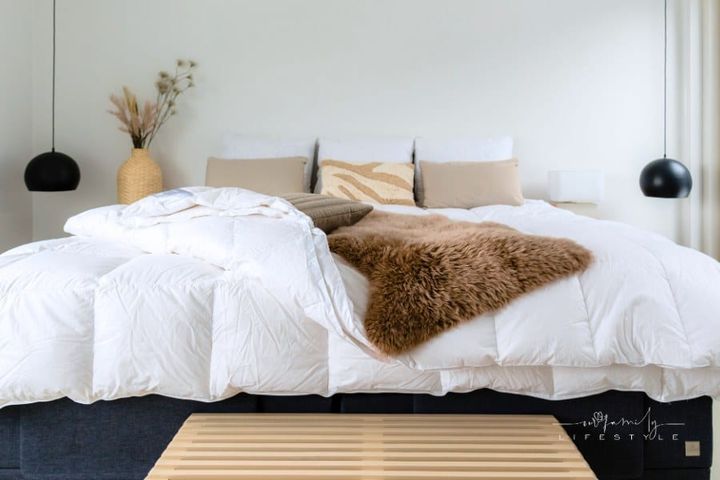
How to Make Your Home Smell Like a Hotel
Discover how to create a refined, hotel-like atmosphere at home using balanced scenting, high-end essential oils, and cold air diffusion. Learn practical tips inspired by Lephrone.

Hotel scent is something many people notice but rarely think about. It feels clean, calm, and slightly luxurious, but never overwhelming. This effect is usually created through carefully designed cold air diffuser scents, which are used in many modern hospitality spaces. The same approach can be recreated at home with the right tools, including systems from Lephrone that focus on controlled and even fragrance distribution.
Another important element is the quality of ingredients. Many hotels rely on high-end essential oil blends rather than synthetic fragrances. This helps create a more natural and refined atmosphere that feels consistent throughout the day.
At the core of this experience is a cold air diffuser, which allows scent to spread evenly without heat or water. This method keeps the fragrance closer to its original structure and avoids the heavy or artificial feeling that often comes from sprays or candles.
Creating a hotel-like scent at home is not about using strong perfume. It is about balance, cleanliness, and subtle layering of fragrance notes that stay in the background rather than dominate the space.
What Makes Hotel Scents Different
Hotel fragrances are designed to be neutral yet memorable. They are not too sweet, not too sharp, and not tied to a specific personality. Instead, they create a feeling of freshness and calm that most guests find universally pleasant.
Unlike personal perfumes, hotel scents must work for many people at once. This is why they are often built around soft woody, clean citrus, and light floral notes. The goal is not to impress instantly, but to create comfort over time.
Another important detail is that hotel scents are usually tested in real spaces, not just in lab conditions. They need to behave the same way in a small room, a hallway, or a large lobby. This consistency is part of what makes them feel “professional” and well-designed.
Key Elements of a Hotel-Like Home Scent
Clean base notes
Most hotel-inspired scents start with a clean base. Notes like cedarwood, musk, and light amber are commonly used. These elements create stability and help the fragrance last longer without becoming heavy.
They also help smooth out sharper top notes, making the overall scent feel more rounded and soft over time. Without a strong base, even good fragrances can feel unfinished or short-lived.
Fresh top notes
Citrus oils such as bergamot, lemon, and grapefruit are often used to create the first impression of freshness. These notes give the space an immediate feeling of cleanliness when you enter a room.
In hotel environments, these top notes are especially important in public areas like lobbies and entrances, where first impressions matter most. They signal freshness even before people consciously notice the scent.
Soft middle notes
Floral and herbal tones like jasmine, lavender, or green tea help smooth the transition between top and base notes. They make the scent feel more natural and less structured.
These middle notes are also what make a fragrance feel “lived in” rather than purely decorative. They connect freshness with warmth in a subtle way.
Why Diffusion Method Matters
Even the best fragrance will not smell like a hotel if it is diffused incorrectly. Hotels rely on systems that spread scent slowly and evenly across large spaces. This is where cold air diffusion becomes important.
Unlike candles or sprays, a cold air diffuser releases fragrance in a fine mist without changing its composition. This keeps the scent stable and prevents it from becoming too strong in one area of the room.
Brands like Lephrone focus on this type of controlled diffusion, making it easier to maintain a consistent atmosphere throughout the day without constant adjustment. This is especially useful in open spaces where air circulation changes constantly.
Another advantage of controlled diffusion is predictability. You know how the scent will behave over time, which helps avoid sudden intensity spikes or weak spots in different parts of the home.
Building a Hotel Atmosphere at Home
To recreate a hotel-like feeling, it is important to think beyond scent alone. Lighting, cleanliness, and airflow all influence how fragrance is perceived.
Soft lighting helps enhance warm notes, while natural light works well with fresh citrus scents. Clean surfaces and minimal clutter also allow the fragrance to feel more noticeable and balanced.
Air circulation is another key factor. A well-ventilated space helps distribute scent evenly, preventing it from becoming concentrated in one area.
Even small habits, like opening windows for short periods or keeping fabrics clean, can significantly improve how a scent performs in a room.
Common Mistakes to Avoid
One of the most common mistakes is using too much fragrance. Hotels use subtle scenting, not strong perfume clouds. Overuse at home can quickly create discomfort instead of relaxation.
Another mistake is mixing too many scent profiles at once. Hotel fragrances are carefully designed as single, balanced compositions rather than complex mixtures of competing notes.
It is also important to avoid switching scents too frequently. Consistency is part of what makes a hotel atmosphere feel familiar and calming.
Finally, placing a diffuser in the wrong location can also affect results. Too close to ventilation or heat sources can disrupt how the scent spreads through the room.
Choosing the Right Fragrance Style
There are several scent directions commonly used in hotel environments. Fresh aquatic blends create a spa-like feeling, while soft woody compositions feel more luxurious and warm.
Citrus-based scents are often used in lobbies because they feel clean and energizing. Meanwhile, bedrooms usually lean toward softer floral or musky blends that support relaxation.
The key is to match the scent style with the purpose of the room rather than using one fragrance everywhere.
Conclusion
Making your home smell like a hotel is not about copying a single fragrance. It is about understanding balance, diffusion, and simplicity.
When high-quality essential oils are combined with controlled diffusion methods like cold air systems, the result is a clean, stable, and comfortable atmosphere.
With the right approach, any home can achieve that quiet, refined hotel feeling — not through intensity, but through consistency and subtle design.