

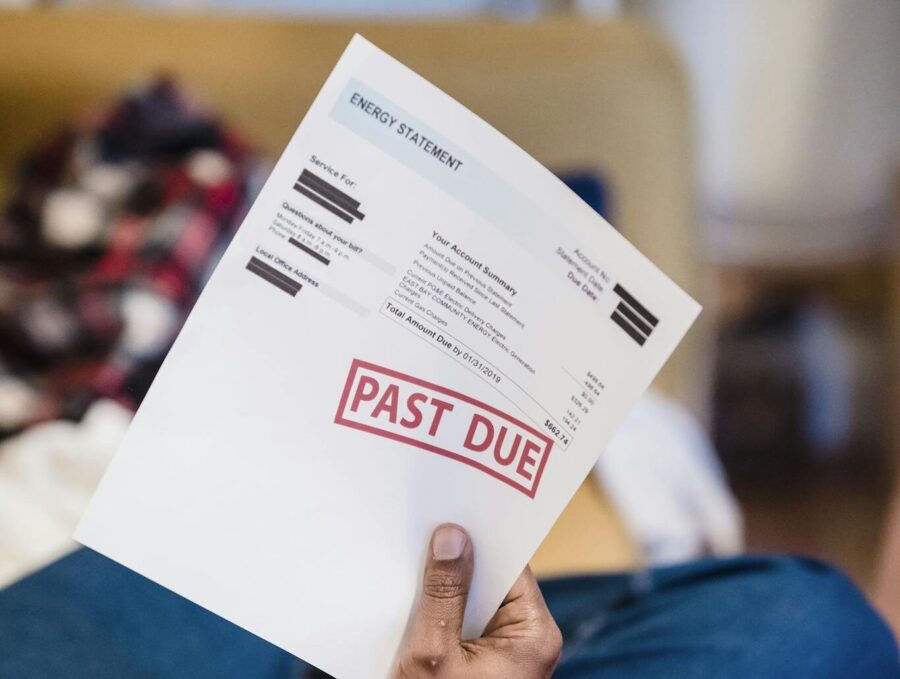
Why Your Energy Bill Keeps Creeping Up in Summer
You’re not imagining it—if your bill’s gone up, your AC might be quietly draining your wallet.
It's a common scenario, especially for homeowners across Thornton, Westminster, Dacono, and nearby Colorado neighborhoods. And when your system works harder than it should, it’s not just money you’re losing—it’s comfort.
That’s when a trusted local HVAC team steps in to help. This family-first crew doesn’t just repair your AC—they focus on restoring your home’s energy efficiency.
Whether your system is blowing warm air or not turning on at all, they deliver fast, honest, and thorough service, often on the same day.
Let’s break down the signs your AC is behind those high bills—and what to do about it.
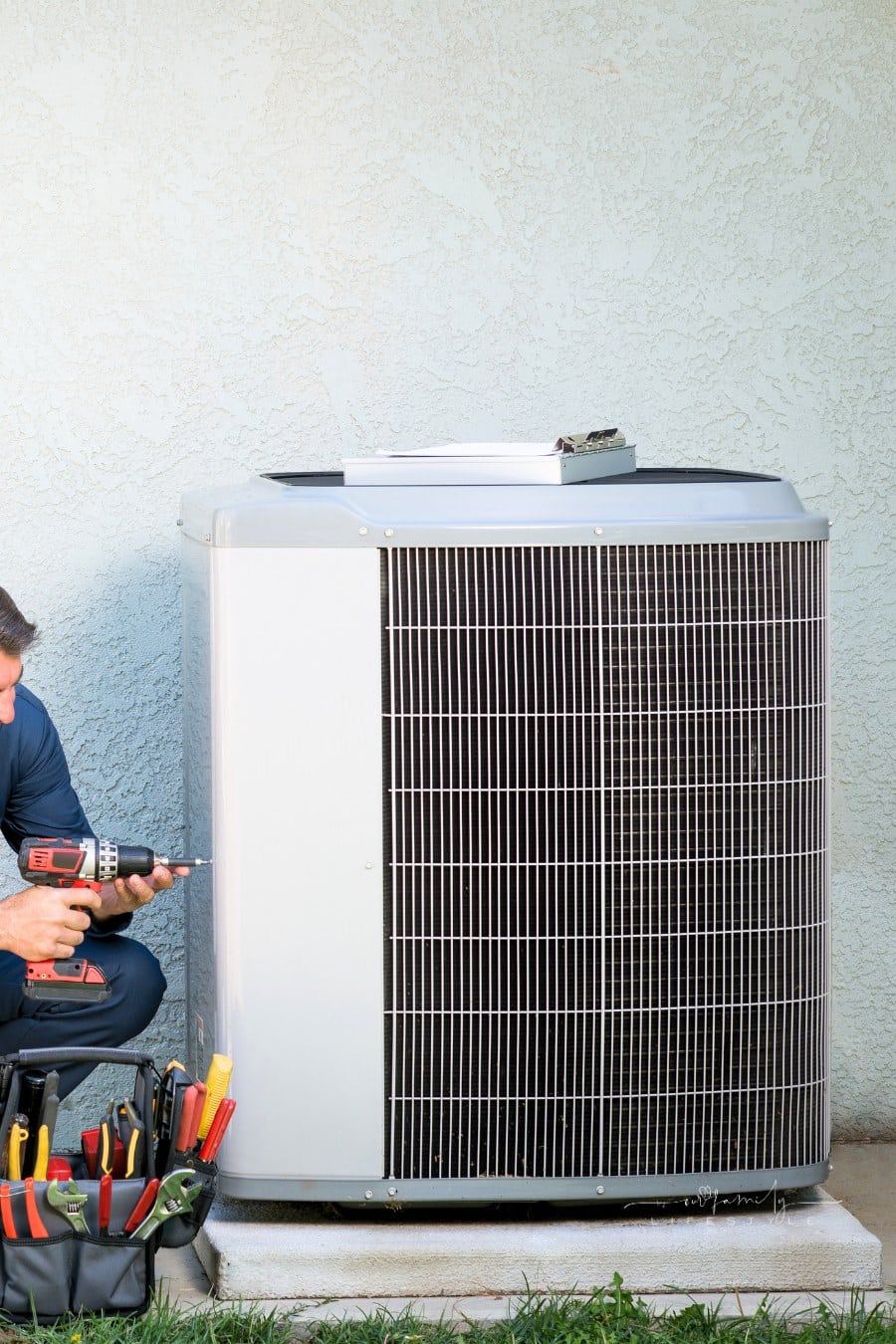
Signs Your AC System Is Wasting Energy
Not every issue screams. Others slowly chip away at your budget while turning your home into a sauna.
Here are some quiet money-wasters to look for:
- Weak airflow from vents
- Warm or uneven cooling, even with the thermostat set low
- Longer run cycles, meaning your AC takes forever to shut off
- Unusual noises—grinding, buzzing, rattling, or screeching
- Unpleasant odors when your AC runs (like a gym locker or musty basement)
If any of these sound familiar, your system’s efficiency is likely dropping fast.
Common AC Problems Behind High Energy Costs
When cooling costs spike, the cause is usually mechanical. These are the most frequent AC issues that sneakily hike up your energy usage:
- Low refrigerant levels or leaks: The system can’t cool properly, so it keeps running.
- Frozen evaporator coils: These block airflow and force your AC to work overtime.
- Faulty thermostats: If your thermostat’s giving your system the wrong cues, you’re cooling empty rooms.
- Blocked or leaky ducts: Air goes missing in the walls instead of reaching your living space.
- Broken condenser fans: These fans release the heat outside—if they fail, so does your efficiency.
- Dirty filters: Like trying to breathe through a scarf—your AC struggles for air.
Most of these issues can be fixed quickly with proper AC repair, but ignoring them is like tossing cold air and cash into the wind.
Signs It’s Time to Bring in a Professional for AC Repairs
This is where that main keyword shines: AC repair isn’t just about fixing a broken unit—it’s about protecting your comfort and your budget.
Here’s when to bring in certified technicians:
- Your system won’t turn on or turns on and off repeatedly.
- The indoor temperature never reaches the thermostat setting.
- You spot frost building up on either the indoor or outdoor part of your system.
- There’s a sudden spike in your monthly energy bill.
- You hear banging, buzzing, or rattling that wasn’t there before.
Local HVAC technicians understand the region’s climate and know firsthand how tough it is to endure a heatwave with a broken AC. That’s why they prioritize quick, reliable service and never leave customers waiting.
How Fast, Transparent Service Makes a Difference
Let’s be honest—no one wants to sit around all day waiting for a technician. That’s why customers in Thornton and nearby towns trust companies that show up on time, explain what’s going on in plain English, and don’t play pricing games.
What makes service feel right?
- Clear pricing upfront: Labor, tools, and scope included—no mystery charges.
- Same-day service is available when your comfort can’t wait.
- 24/7 emergency support for middle-of-the-night breakdowns.
- Clean work practices so your home stays spotless during repairs.
- Certified, friendly techs who treat your house like family.
That’s more than a repair—it’s peace of mind.
DIY Fixes vs. Professional Repair: Know the Line
It’s tempting to troubleshoot an AC problem yourself—YouTube makes everything look easy. But not every issue should be a DIY project.
Here’s what you can do safely:
- Replace air filters every 30–90 days.
- Check that vents aren’t blocked by furniture or curtains.
- Make sure the outdoor unit is free of leaves and debris.
But for anything involving refrigerant, electrical wiring, or system diagnostics, call the pros. One mistake could mean a bigger repair bill—or worse, a safety risk.
Long-Term Fixes: How AC Maintenance Saves You Money
Think of AC maintenance like oil changes for your car. Skip too many, and suddenly you're stuck on the shoulder with the flashers on.
Regular tune-ups can:
- Catch small issues before they become expensive problems.
- Improve airflow and temperature control.
- Extend your unit’s lifespan.
- Reduce your energy usage month after month.
And hey, if your system’s more than 12–15 years old and constantly breaking down? It might be time to talk about upgrading to a more efficient model. It might sting, but it's better than paying for endless repairs.
Conclusion: Cool Comfort Doesn’t Have to Cost You
No one wants to battle a sweaty living room and a $300 energy bill. If your AC is working too hard (or not at all), it’s time for action, not aspirin.
With experienced service and fast response times, local HVAC pros help homeowners take control of their cooling systems and energy bills. Whether it’s a quick repair or a full upgrade, they show up ready with solutions.
Tired of guessing what’s wrong with your AC? Book your AC repair today and start enjoying the kind of comfort and utility savings you can feel.
FAQs
What’s the most common reason for high AC bills?
Dirty filters and low refrigerant force your system to work harder and raise bills.
How often should I schedule AC maintenance?
At least once a year, ideally in the spring before peak summer usage. This keeps your system running efficiently and prevents surprise breakdowns.
Is it worth repairing an older AC system?
It depends. If the system is over 12–15 years old and repairs are frequent or costly, replacement may be more cost-effective in the long run.
Can I clean my AC unit myself?
You can clear debris from the outdoor unit and replace filters. But deeper cleaning or part replacement should be done by a professional.
How long does an AC repair typically take?
Most repairs can be completed in one visit, often within a few hours, especially if you call a local provider offering same-day service.