


The rapid growth of the metropolitan region has led to a significant transformation in the way that people move through the city. Thousands of new residents and vehicles enter the local infrastructure every year, creating a more complex and demanding environment for everyone.
Public safety officials rely on a comprehensive review of the latest trends to identify the areas where the most harm occurs. This data driven approach allows the government to allocate resources effectively and implement new safety measures where they are needed most.
By analyzing the frequency and the severity of local collisions, we can develop a clearer picture of the risks facing modern commuters. It is essential to look at the current Chula Vista car crash statistics to understand the trends today.
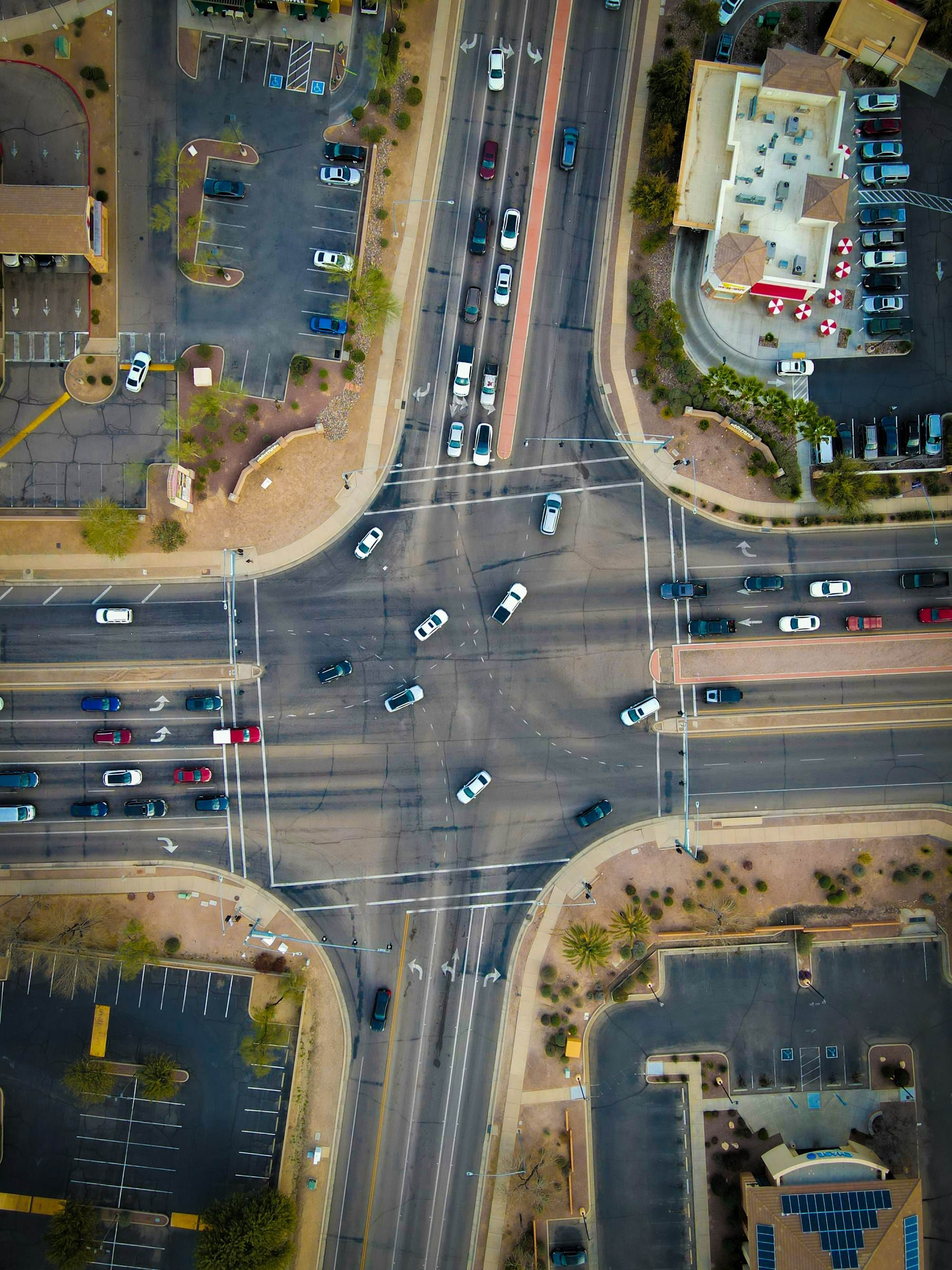
Identifying High Risk Intersections
The most dangerous points on any urban roadway are the intersections where multiple flows of traffic merge and cross paths throughout the day. High volume crossings are frequent locations for violent side impact and rear end collisions due to the high density.
Statistics show that a few specific geographic locations account for a significant portion of the total crashes in the city. Factors like poor visibility, high speed limits, and complex signal timings often contribute to the risk at these busy and crowded corners.
Drivers should be extra cautious when navigating through these known hot spots to avoid becoming another number in the data set. By staying focused and following the right of way rules, you can reduce the likelihood of a disaster. Caution is best.
The Impact Of Population Growth On Safety
As the local population continues to expand, the existing infrastructure is often pushed to its limits during the morning and evening rush. Heavy congestion creates a high pressure environment where drivers are much more likely to make mistakes or take unnecessary risks.
The increase in the number of vehicles on the road leads to a higher frequency of low speed incidents and bumper to bumper collisions. While these crashes may seem minor, they contribute to the overall tally of harm and property damage in the city.
Managing this expansion requires a commitment to ongoing education and the integration of new technology to improve the traffic flow for everyone. By following the rules and staying patient, we can create a much more secure and stable environment for every commuter.
Common Times And Days For Incidents
Traffic data reveals specific patterns regarding when collisions are most likely to occur on the local streets and high speed highways. Morning rush hours between seven and nine are defined by a high number of rear end strikes as people commute to work.
Weekends also show a peak in traffic activity as residents head out to enjoy the various entertainment and shopping districts in the city. The increased volume of social travelers leads to a rise in incidents involving distracted or impaired drivers during late night hours.
By choosing to travel during off peak hours, you can significantly reduce your exposure to the risks of a violent and sudden crash. Knowing when to be extra vigilant is a vital part of being a responsible and professional driver in the city.
The Role Of Distracted Driving In Local Data
Modern technology habits are a primary driver of the increasing number of accidents occurring in the metropolitan area and the wider region. Taking your eyes off the road for just a few seconds to check a phone can lead to a catastrophic event.
Distracted driving often results in more severe collisions because the driver fails to apply the brakes before the initial and sudden impact. The lack of reaction time leads to higher velocities and more significant trauma for everyone sharing the road nearby today.
Enforcing the laws against device use is an essential part of the strategy to improve the current safety metrics for every resident. By choosing to put the phone away, you are playing a vital role in the security of your neighborhood streets.
Using Data To Improve Commuter Habits
Understanding the patterns of traffic and the risks of the road is the first step toward becoming a much safer driver. By looking at the hard data, you can move past the anecdotes and focus on the strategies that actually save lives daily.
The goal is to create a culture where every resident prioritizes the well being of others during their daily commute through the city. Sharing information and resources helps build a collective shield against the harm caused by preventable accidents and personal trauma.
Ultimately, the results are up to the people who operate the vehicles on the public roads every single day and night. By following the established rules and staying alert, we can achieve a fair and just result for everyone in the city.