


Bringing home a new baby can shift priorities overnight. It’s also common to feel unsure about when to think about contraception again. Many people assume fertility returns only after the first postpartum period, yet pregnancy can happen sooner than expected, including before menstrual patterns feel regular.
Planning a family addition shouldn’t be about pressure. It’s about giving the body time to heal, protecting choices, and matching birth control choices to real life. Real life with a new baby can include sleep disruption, feeding plans, and caregiver health needs, so contraception choices should be carefully evaluated.
You deserve clear information, respectful care, and support that meets you where you are. The sections below walk through practical options and timing so you can choose what birth control option fits your body and your life.
Start With a Timeline
A helpful first step is setting a clear goal. Some families want to avoid pregnancy for a year or more. Others want spacing but not a long delay. Many experts recommend waiting at least 18 months between pregnancies to support health. Postpartum contraception can help people achieve that spacing goal.
It can also help to list nonnegotiables. For example, choosing between a method that doesn’t require daily attention, a method with a quick return to fertility, or a method that supports breastfeeding goals is important.
For those worried about whether it’s safe to use birth control after a pregnancy it’s reassuring to know that leading advisors can offer guidance. For instance, the American College of Obstetricians and Gynecologists (ACOG) emphasizes that postpartum birth control can safely begin soon after delivery, including options that start right away.
Your medical history also matters when choosing contraception. High blood pressure, migraines with aura (severe headaches preceded by sensory symptoms like flashing lights, zigzag lines, blind spots, or tingling), a history of blood clots, or heavy menstrual bleeding can affect which methods are recommended.
You deserve a birth control plan that accounts for your individual health status, not one recommended after ticking boxes on a generic checklist.
Short-Term Options for the Early Postpartum Weeks
The early postpartum weeks are often focused on mental and physical recovery and adjustment. Some families prefer short-term methods during this period, especially if they are still deciding on a more permanent option.
Barrier Methods
External and internal condoms can be used as soon as sexual activity resumes. They are hormone-free, safe (when used correctly), and widely available. Condoms also reduce the risk of many sexually transmitted infections, which other contraceptive methods may not.
For families who want flexibility, barrier methods can serve as a bridge while healing continues. They can also be combined with another method later for added protection.
Progestin Only Pills
Progestin-only pills are an option for those who want a reversible hormonal method without estrogen. They are often considered compatible with breastfeeding, and use can commence soon after birth, depending on individual health factors.
These pills must be taken at the same time every day to maintain effectiveness. For parents managing newborn schedules, it helps to link the pill to a daily routine, such as brushing teeth or a consistent feeding time.
Longer Lasting Options With Low Daily Effort
As routines settle, some families prefer methods that require little ongoing attention. These options can be especially supportive when sleep is limited and schedules are unpredictable.
Injectable Contraception
One option is birth control shots, an injectable progestin method typically given every three months.
This option can be a good fit for people who want a discreet birth control method and prefer a predictable follow-up schedule and minimum postpartum disruption. Ask when protection starts, what bleeding changes may occur, and when to return for the next dose. If appointments are difficult to schedule, tell the clinic. You deserve care that works with your real-life needs, such as transportation, childcare, and work constraints.
Long-Lasting Reversible Contraception
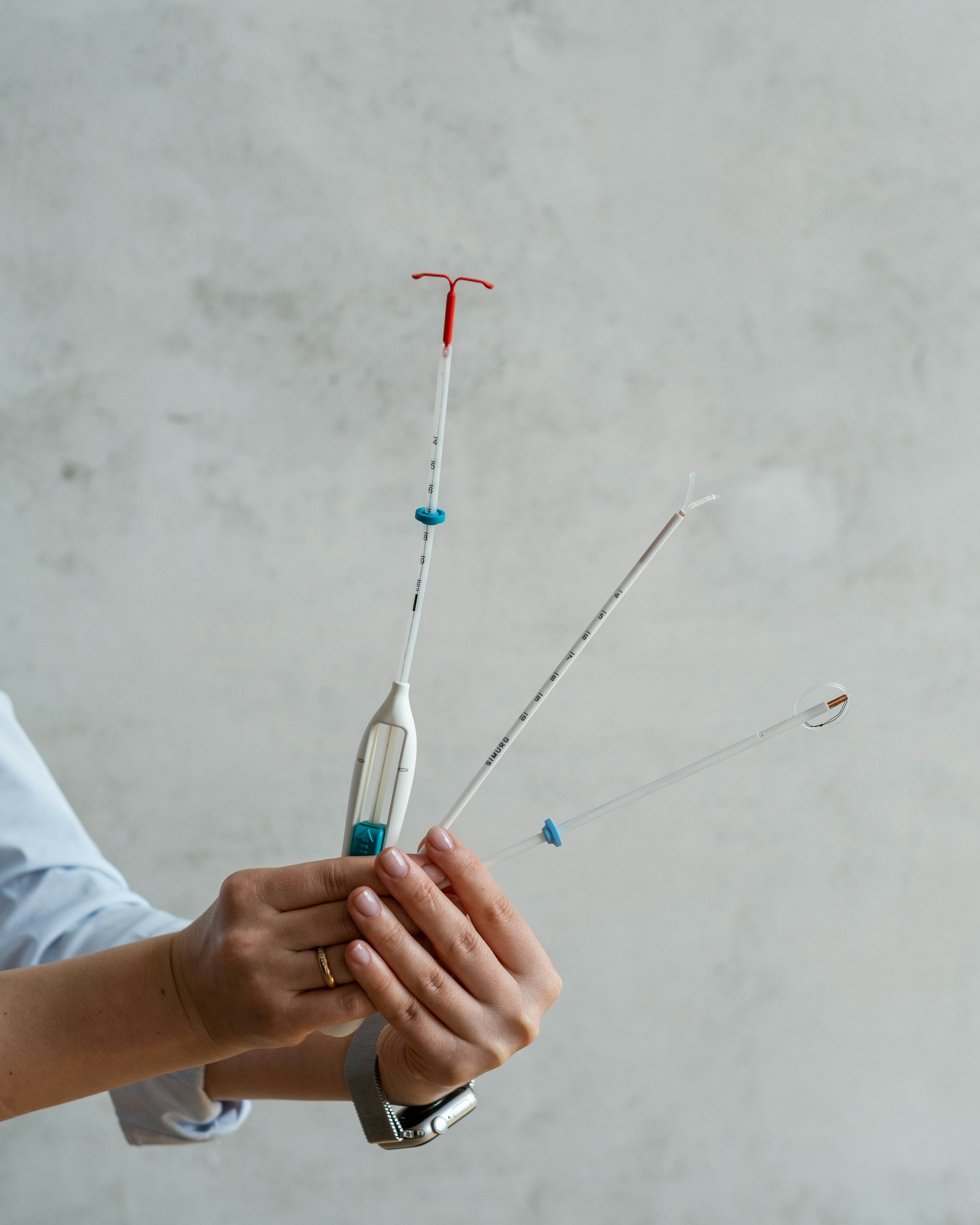
For those in search of long-lasting, reversible contraception, an iud birth control device or implant may be ideal. These methods can protect against pregnancy for years (regular gynecological visits are essential) and can be removed whenever pregnancy is desired. ACOG notes that IUDs and implants may be placed immediately after delivery in some settings or during a postpartum visit to a qualified physician.
For people who want effective pregnancy prevention with minimal maintenance, this category can be appealing. It can also reduce the chance of missed pills or delayed refills during busy periods.
Access Planning and a Conversation Guide
Access can shape real-life choices. If possible, discuss contraception during prenatal care so a plan is in place before delivery. Some hospitals and clinics can offer postpartum placement of an IUD or implant, which can be helpful if follow-up visits are difficult.
During appointments, start with your timeline. Then share preferences and practical concerns such as cost, transportation, or childcare. If you are worried about privacy, say so. If you want a method of contraception that allows you to stop without a clinical visit, make that clear. You deserve empathetic contraception counseling that centers your autonomy.
Also, ask what to expect from your chosen method of contraception. Many methods can change bleeding patterns when first used. Knowing what is typical and what signals a problem helps families feel reassured and provides them with the information they need to judge when to seek care.
A Gentle Plan That Supports Your Next Chapter
Planning after a baby is about supporting recovery and staying true to your goals. Some families want reliable contraception right away. Others need time before deciding. Both approaches are valid.
Your needs may change as routines evolve. Methods can be adjusted or switched, and clinician questions are encouraged at every step. You deserve support that is compassionate, stigma-free, and focused on your well-being.
There is no single right timeline or method of contraception, only the one that feels safe and sustainable to you. As your body heals and your family settles into new rhythms, your preferences may shift. Ongoing conversations with a trusted clinician can help you revisit options without pressure or judgment.
With clear information and respectful care, you can choose birth control that supports your health, your family, and the future you want.