
Summer heat can be tough on kids. They run, play, and explore all day, which means they need clothes that keep them comfortable no matter what they do. The right fabric choice makes a real difference in how your child feels during hot weather.
Linen stands out as one of the best fabric options for children's summer clothes because it naturally keeps kids cool, dries quickly, and feels soft against their skin. This natural material comes from flax plants and has been used for thousands of years. Parents today choose linen for many good reasons beyond just comfort.
This article will show you why linen works so well for kids in summer. You'll learn how this fabric handles heat and moisture, why it's safe for sensitive skin, and how it helps protect the environment. You'll also discover how linen adapts to different temperatures throughout the season.
Exceptional breathability keeps kids cool during hot summer days
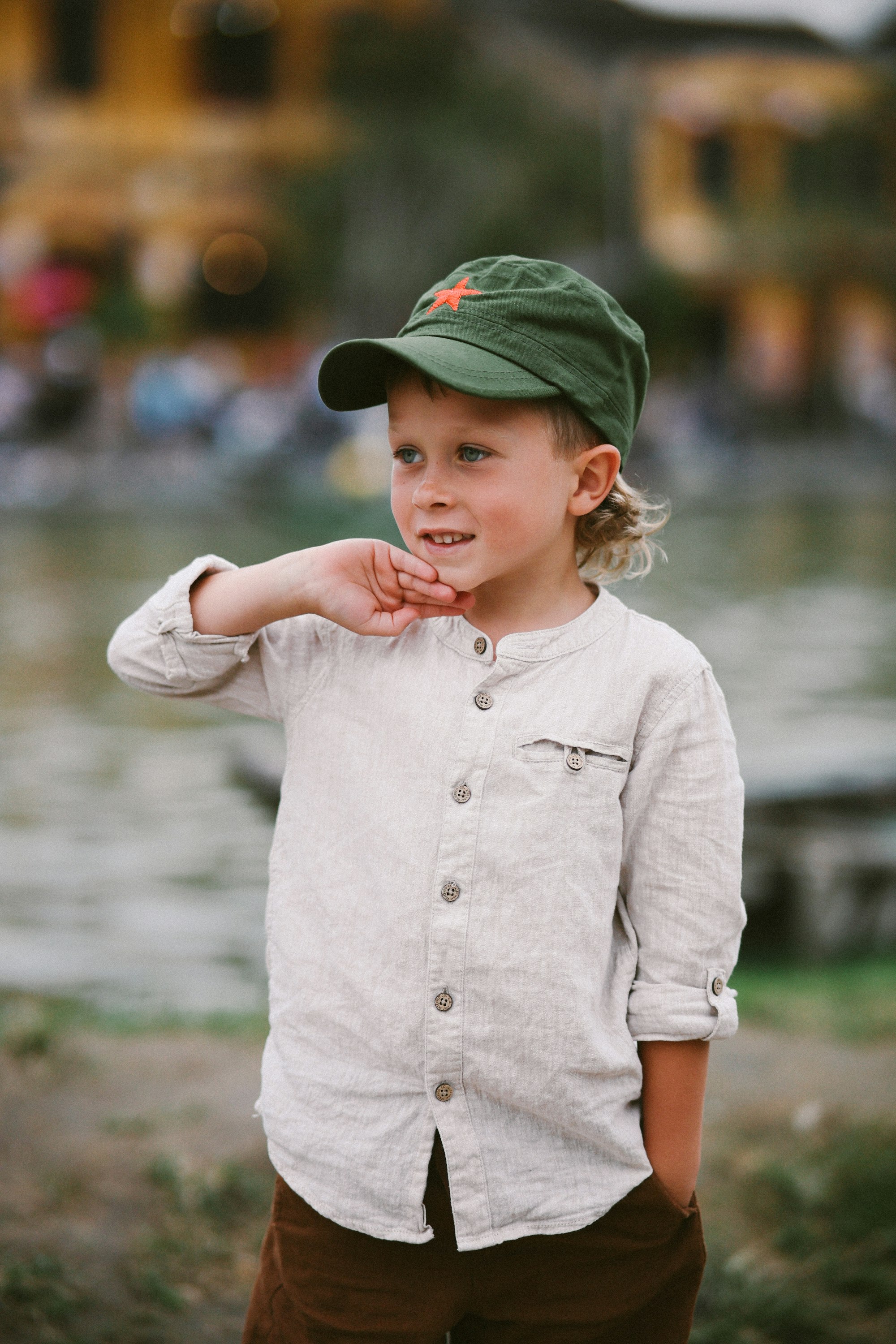
Linen stands out as one of the most breathable fabrics you can choose for your children's summer wardrobe. The natural fibers in linen allow air to flow freely through the material, which prevents heat from building up against your child's skin. This airflow helps regulate body temperature and keeps kids comfortable even on the hottest days.
The fabric's structure creates tiny gaps that let moisture escape quickly. Your child stays dry and fresh because linen wicks sweat away from the body faster than most other materials. This matters especially during active play or outdoor activities.
If you decide to buy linen clothes for kids online for the summer months, you give them natural protection from overheating. The lightweight nature of linen adds to its cooling properties without feeling heavy or clingy. Unlike synthetic fabrics that trap heat, linen allows your child's skin to breathe naturally throughout the day.
Moisture-wicking properties dry faster than cotton, preventing discomfort
Linen naturally pulls sweat away from your child's skin and moves it to the fabric's outer surface. This process happens much faster than with cotton, which tends to absorb and hold moisture close to the body.
The quick-dry feature of linen matters because wet clothes can make kids uncomfortable and irritable. Cotton can stay damp for hours after your child sweats, but linen dries up to 50% faster. This means less time spent in soggy, clingy clothes during hot summer days.
Dry fabric also prevents skin irritation and rashes that often develop from prolonged contact with wet material. Your child can play, run, and explore without the constant discomfort of sticky, moist clothing. As a result, they stay comfortable and focused on their activities rather than fidgeting with uncomfortable clothes.
Linen helps regulate body temperature by allowing sweat to evaporate quickly. This keeps your kids cooler throughout the day, even during the hottest summer afternoons.
Natural softness ensures gentle contact with sensitive skin
Linen naturally softens with each wash. This quality makes it an excellent choice for children who have sensitive skin or allergies. The fabric starts out with a pleasant texture and becomes even softer over time.
Unlike synthetic materials that can feel rough or scratchy, linen fibers are smooth and gentle. Your child's delicate skin stays comfortable throughout the day. The material does not irritate or cause redness, even after hours of wear.
Linen contains no harsh chemicals or synthetic finishes that trigger skin reactions. The natural fibers allow air to flow freely, which reduces moisture buildup and prevents rashes. This breathable quality keeps your child's skin dry and comfortable in hot summer weather.
The fabric feels light against the body and moves easily with your child. There are no stiff seams or coarse textures that rub or chafe. For kids with eczema or other skin conditions, linen provides relief from common irritants found in many other fabrics.
Eco-friendly fabric made from renewable flax plants with lower water use
Linen comes from flax plants, which grow in cool climates and need far less water than cotton. The flax plant thrives in temperate regions with well-drained soil. Farmers can grow it without heavy pesticide use, which makes it better for the environment.
You help reduce water waste every time you choose linen for your kids. Cotton requires significant amounts of water to grow, but flax needs only rainfall in most cases. This difference matters as water becomes scarce in many parts of the world.
The flax plant is a renewable resource that biodegrades naturally. Unlike synthetic fabrics that release plastic fibers into water systems, linen breaks down without harming the earth. Your children can wear clothes that look good and support a healthier planet.
The production process for linen also uses less energy compared to synthetic materials. From field to fabric, linen represents a simple choice that creates less pollution and waste.
Temperature adaptability keeps children warm in cooler weather and cool in heat
Children struggle more than adults to regulate their body temperature. Their bodies have a higher surface-area-to-body-mass ratio, which means they lose and gain heat much faster. The part of the brain that controls temperature is still developing in kids, so their bodies take longer to adjust to changes in the environment.
Linen fabric naturally adapts to different temperatures throughout the day and across seasons. The material helps your child stay cool during hot summer afternoons by allowing air to flow through and moisture to evaporate quickly. However, linen also provides warmth during cooler mornings or evenings because it traps just enough body heat without causing overheating.
This adaptability matters because children need help to stay comfortable in changing conditions. They cannot always tell you if they feel too hot or too cold. Linen responds to their body temperature automatically, which reduces the risk of heat-related problems in summer while still providing comfort during cooler moments.
Conclusion
Linen stands out as the best fabric choice for your kids' summer wardrobe. The material keeps children cool through hot days, wicks away moisture, and allows their skin to breathe naturally. It offers long-term value because it becomes softer with each wash while it maintains its strength and quality. Therefore, linen provides the perfect blend of comfort, durability, and practicality for active children who need clothes that work as hard as they play.