
Over-extraction happens when too many compounds dissolve from coffee beans during brewing, creating a bitter and unpleasant taste. This common problem affects coffee lovers worldwide, whether they're brewing Del Este Nicaraguan beans or Ethiopian origin coffee beans.
Understanding how to control grind size, water temperature, brew time, and bean freshness can transform bitter coffee into a balanced, flavorful cup.
The key to avoiding over-extraction lies in managing several brewing variables that work together to create the perfect cup. Coffee drinkers can learn to identify the signs of over-extraction, such as bitter taste and thin texture, and then adjust their brewing methods accordingly.
Simple changes to grinding technique, water temperature control, timing, and bean selection can make a significant difference in the final taste.
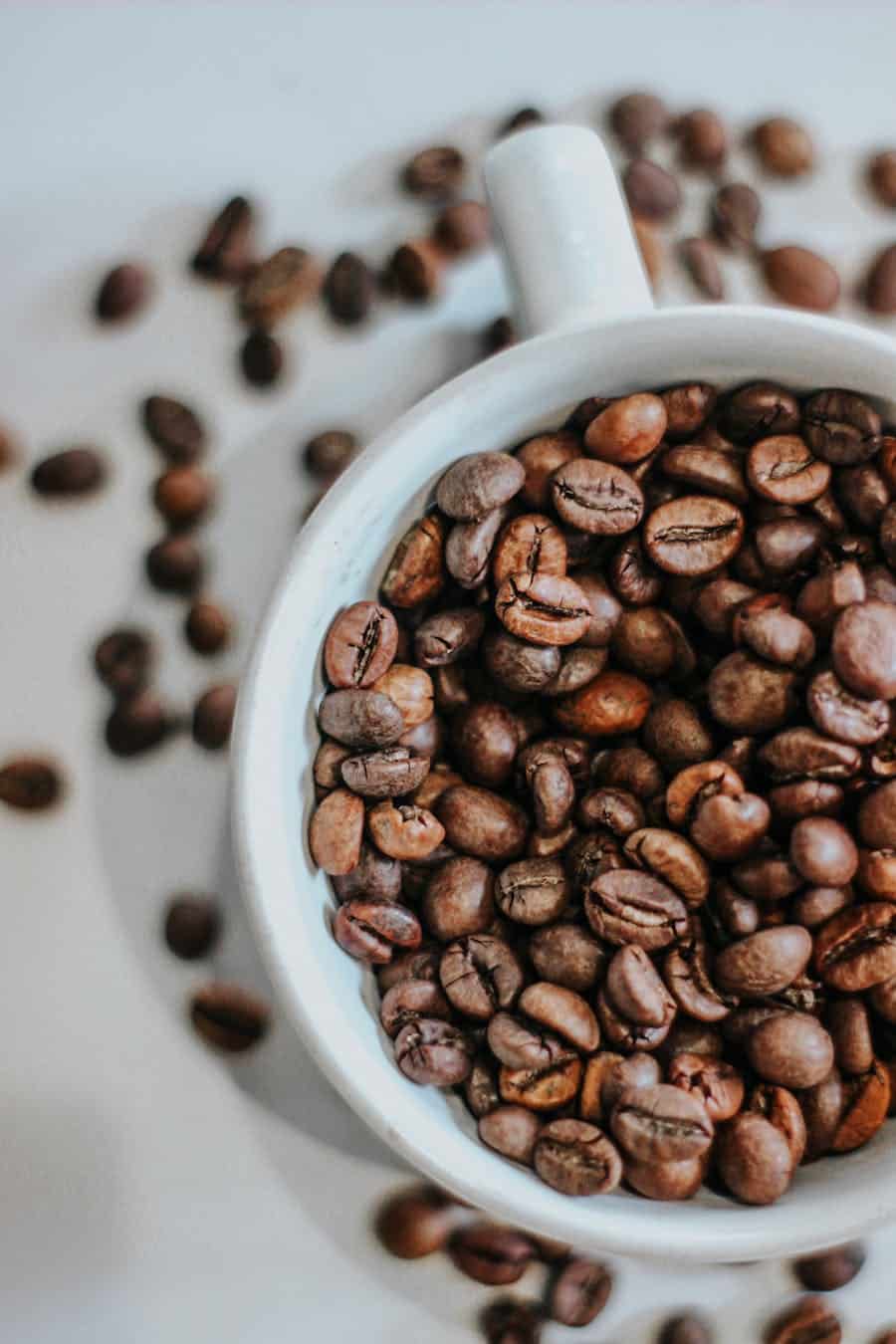
Use a medium-coarse grind to guarantee balanced extraction
The grind size directly affects how water flows through Ethiopian origin coffee. A medium-coarse grind provides the perfect balance for most brewing methods.
This grind size looks similar to kosher salt or coarse sand. It allows water to move through the coffee at the right speed. The particles are large enough to prevent over-extraction but small enough to pull out the good flavors.
Medium-coarse grinds work well with pour-over methods and drip coffee makers. They let the water extract the coffee's natural sweetness without pulling out bitter compounds.
When the grind is too fine, water moves slowly and extracts too much. This creates a harsh, bitter taste. The medium-coarse size prevents this problem by giving water the right path through the grounds.
Most home grinders can produce this grind size easily. The coffee should feel slightly rough between the fingers but not powdery. This texture helps create a smooth, well-balanced cup every time.
Brew with water temperature between 195°F and 205°F for optimal flavor
Water temperature plays a major role in how Ethiopian origin coffee tastes. The perfect range falls between 195°F and 205°F for the best extraction.
Water that is too hot will pull out bitter compounds from the coffee grounds. This creates an unpleasant, harsh taste that masks the natural flavors of Ethiopian origin beans.
Cold water causes the opposite problem. It cannot extract enough flavor from the grounds, leaving coffee weak and sour.
The 195°F to 205°F range allows water to pull out the right balance of oils and flavors. This temperature extracts the sweet and acidic notes without going too far.
Coffee makers should use a thermometer to check water temperature. Boiling water reaches 212°F, so it needs to cool for about 30 seconds before brewing.
Different brewing methods work well within this temperature range. Pour-over, French press, and drip machines all benefit from water in this zone.
Limit brew time to 4 minutes to prevent bitterness
Brewing Ethiopian origin coffee for too long pulls bitter compounds from the grounds. The back end of extraction brings out harsh flavors that mask the coffee's natural sweetness.
Four minutes marks the sweet spot for most brewing methods. This timing allows proper extraction of desirable flavors without drawing out unwanted bitterness.
French press users should stick to exactly 4 minutes of steeping time. Pour-over methods work best between 4 to 5 minutes total brew time.
Over-extraction happens when coffee grounds contact water too long. This creates an unpleasant bitter taste that overwhelms the coffee's smooth characteristics.
Setting a timer helps maintain consistent results. Many home brewers forget to track time and end up with bitter coffee.
Water temperature between 195°F to 205°F paired with the 4-minute limit produces balanced extraction. This combination brings out Ethiopian origin's rich flavors without harsh notes.
Shorter brew times may result in weak, sour coffee. Longer times create bitter, over-extracted coffee that tastes unpleasant.
Use fresh Ethiopian Origin beans roasted within the last 2-3 weeks
Fresh beans are key to preventing over-extraction when brewing Ethiopian origin coffee. Beans that are too old can release bitter compounds more easily during brewing.
Most coffee experts agree that beans taste best within 2-4 weeks of roasting. After this time, the flavor starts to break down and becomes less balanced.
Ethiopian origin beans work well when used 5-7 days after roasting for pour-over methods. This waiting period allows carbon dioxide to escape from the beans naturally.
For espresso brewing, waiting 7-10 days after roasting gives better results. The beans need this time to develop their full flavor profile.
Check the roast date on your Ethiopian origin coffee package before brewing. If the beans are older than three weeks, they may produce harsh or bitter flavors more easily.
Store your beans in an airtight container away from light and heat. This helps maintain their freshness and prevents premature flavor loss.
Using fresh beans gives you better control over extraction time and flavor. Old beans make it harder to get the sweet, balanced taste that Ethiopian origin coffee is known for.
Maintain a coffee-to-water ratio of about 1:16 for proper strength
The 1:16 coffee-to-water ratio works well for most brewing methods when making Ethiopian origin coffee. This means using 1 gram of coffee for every 16 grams of water.
This ratio helps prevent over-extraction by limiting the amount of coffee grounds in contact with water. Too much coffee can lead to bitter, harsh flavors that mask the smooth characteristics of Ethiopian origin beans.
For home brewing, this translates to about 2 tablespoons of ground coffee per 6 ounces of water. A kitchen scale provides the most accurate measurements for consistent results.
The 1:16 ratio balances strength and flavor extraction. It pulls out the desirable coffee compounds without drawing too many bitter elements from the grounds.
Different brewing methods may need slight adjustments. French press coffee works well at 1:15, while pour-over methods can use 1:17 for lighter extraction.
Start with 1:16 as your baseline and adjust based on taste preferences. If the coffee tastes too strong or bitter, increase the ratio to 1:17 or 1:18.
Conclusion
Perfect extraction of Ethiopian origin coffee comes down to controlling just a few key factors. Grind size, water temperature, and brew time work together to bring out the best flavors while avoiding bitter notes.
Coffee drinkers who adjust these variables based on their brewing method will taste the difference immediately. Using fresh beans and measuring carefully makes each cup more balanced and flavorful.
The unique characteristics of Ethiopian origin coffee shine through when extracted properly, creating a smooth and enjoyable experience every time.