

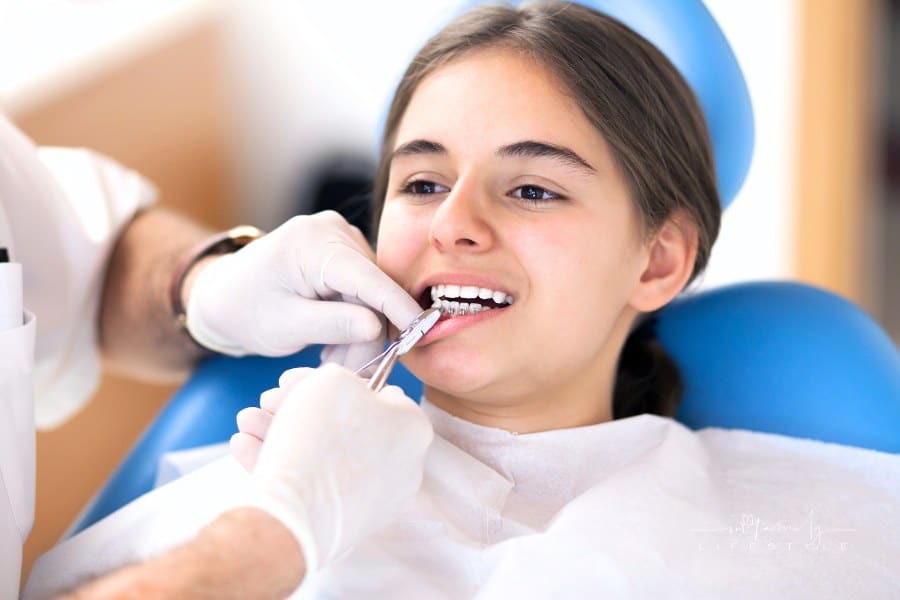
Braces are often seen as a rite of passage for teens—a stepping stone towards a confident smile and healthier teeth.
But behind the scenes, many adolescents feel overwhelmed with anxiety at the prospect of orthodontic treatment.
From fear of pain to worries about peer judgement, the emotional side of braces is just as important as the clinical side.
For parents, understanding this emotional journey can be crucial in supporting their teen through what might otherwise feel like a daunting experience.
If you’re navigating this stage with your child, now is the time to explore treatment options tailored for teens that prioritise both their comfort and confidence.
This article will unpack the common sources of braces-related anxiety, how it affects teen mental health, and what families and professionals can do to help.
Understanding the Roots of Braces-Related Anxiety in Teens

The Adolescent Mindset and Social Pressure
Teenagers are often in the thick of discovering their identity, with self-image playing a major role. Braces can feel like an unwanted spotlight, drawing attention to something they’d rather hide.
During puberty, heightened self-consciousness can make even the smallest changes seem like a big deal.
Then there's the influence of peers and social media. Teens often compare themselves to airbrushed influencers and classmates with “perfect” smiles.
This constant exposure to appearance-driven content can reinforce the fear that braces make them look awkward, childish, or “uncool.”
Common Fears Before Orthodontic Treatment
It's not just about how they look—teens may be plagued by concerns like:
- Pain and discomfort: Stories from friends or online posts about sore teeth and mouth ulcers can heighten these fears.
- Speech and eating issues: Will they talk funny? Will food get stuck? These thoughts can be embarrassing.
- Treatment duration: Two years might not seem long to an adult, but for a teen, that feels like forever.
Understanding these fears doesn’t mean dismissing them — it means validating and addressing them proactively.
The Psychological Impact of Braces on Teen Mental Health
Short-Term Anxiety & Avoidance Behaviours
Teen anxiety doesn’t always present as obvious fear. Some common signs include:
- Avoiding appointments: Claiming they're too tired or suddenly feeling ill.
- Mood shifts: Becoming more withdrawn, irritable, or sensitive.
- Reluctance to smile or speak: Especially around friends or in photos.
Without proper support, these behaviours can disrupt school, friendships, and even self-esteem.
Long-Term Benefits When Braces Are Managed Well
Thankfully, this story can have a very different ending. With a supportive environment, teens often emerge from treatment with a massive boost in confidence.
Straighter teeth have been linked to better social interactions, improved speech clarity, and even greater willingness to participate in school activities.
According to the Australian Dental Association, many orthodontic patients report not only physical improvements but also noticeable psychological benefits, like reduced anxiety and higher self-worth. That’s the power of combining good dental care with emotional awareness.
Early Intervention and Emotional Readiness
Why Early Consultations Matter
You don’t have to wait until your child is a teenager to start the orthodontic conversation.
Organizations such as Orthodontics Australia recommend scheduling an initial assessment by age 8. Early consultations aren’t necessarily about jumping into treatment—they’re about building familiarity.
Seeing the orthodontic environment before anything “scary” happens can reduce fear and build trust. It also gives both the orthodontist and the family time to plan treatment around the child’s emotional and physical readiness.
Assessing Readiness—Not Just Physically, But Emotionally
Just because a teen is physically ready doesn’t mean they’re emotionally prepared. If your child seems hesitant, anxious, or resistant, take note.
Forcing treatment on a teen who isn’t mentally ready can backfire, causing more distress and reluctance to cooperate.
Orthodontists trained in working with teens will help assess their emotional state, taking time to explain procedures gently and build rapport. This partnership between parent and professional can make all the difference.
What Parents Can Do to Support Anxious Teens
Start With Empathy and Open Conversations
The first step? Listen—really listen. Resist the urge to brush off your teen’s concerns with comments like, “You’ll get used to it,” or “Everyone has braces these days.”
Instead, try saying: “That sounds tough. What part worries you most?” This kind of open dialogue builds trust and reassures your teen that their feelings are valid.
Partnering With the Orthodontist
Some of the fear stems from uncertainty about what to expect. Ask your orthodontist to explain the process using visuals or even models.
Seeing what braces look like, understanding how they’re fitted, and knowing what discomfort (if any) to anticipate can significantly reduce anxiety.
Parents can help by preparing thoughtful questions, such as:
- “What will the first week feel like?”
- “Can we choose a less visible option, like clear aligners?”
- “How long will each appointment take?”
These discussions help the teen feel informed, not overwhelmed.
Create a Supportive Routine
On appointment days, let your teen take the lead on small decisions—the music in the car, what to eat afterwards, or whether they want to talk or stay quiet. These choices foster a sense of control.
Positive reinforcement also goes a long way. Celebrate milestones, such as their first tightening or completing six months of treatment. Small wins deserve recognition.
Addressing Social Pressures Proactively
Don’t wait until your teen is teased to start the conversation. Talk about how to handle insensitive comments, and remind them that confidence often disarms criticism.
If they have friends or siblings who’ve been through braces, encourage them to share their experiences — not just the challenges, but also how they coped. Peer support can be incredibly validating.
Role of School Counselors & Community Support
Identifying Emotional Struggles at School
Teachers and school counsellors are well-positioned to observe changes in behavior—whether it’s a drop in participation, sudden silence during class discussions, or anxiety around lunch breaks.
By having open lines of communication with families, schools can provide discreet support. This might include a quiet space to brush after meals or counselling sessions to manage anxiety.
Coordinating With Families
When schools and parents collaborate, teens benefit. Counselors can offer strategies like mindfulness, journaling, or group chats with peers facing similar challenges.
Community events, parent nights, or even digital newsletters focused on teen health can be excellent platforms for raising awareness around emotional well-being and orthodontics.
Conclusion
Teen anxiety around braces is far more common than many realise—but it’s also manageable.
By approaching treatment with empathy, preparation, and teamwork, parents can help turn what seems like a stressful experience into one of growth and confidence.
The journey isn’t just about straightening teeth. It’s about helping your teen feel seen, heard, and supported through a big life transition.
With the right tools and a caring environment, braces can empower your teen rather than discourage them.
Start the journey by learning more about teen orthodontic solutions tailored to emotional needs, and discover how small changes can lead to lasting confidence.