

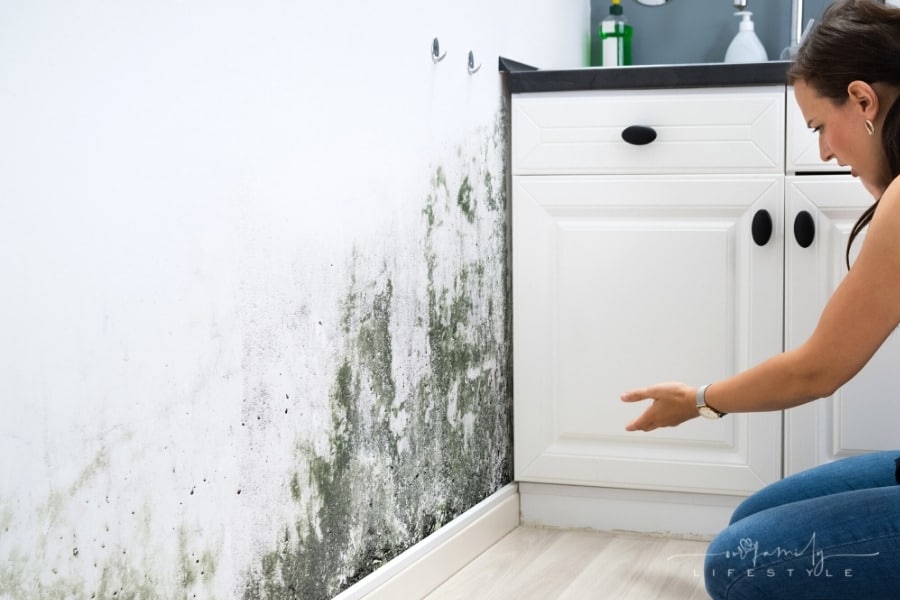
Mold used to be a minor annoyance—something you wiped away and forgot. That’s changing fast.
Families are discovering that mold can do much more than stain walls or leave a musty smell.
Health scares, especially for kids and seniors, are bringing the issue front and center in homes across the country.
Beyond the physical symptoms, mold can mean costly repairs and disruptions to family life.
The threat isn’t always visible, which makes it even more alarming for parents looking to keep their households safe.
This article explores what’s driving the new concern about mold, how families are talking about it differently in 2025, and why greater awareness is paving the way to healthier living spaces.
Understanding Mold: Risks, Realities, and Solutions
Mold isn’t just an eyesore—it’s a real threat to both the health of your family and the integrity of your home.
More families are noticing persistent allergy symptoms or respiratory issues that just won’t go away, only to discover mold lurking in damp corners or behind walls.
Even small patches can quickly spread if ignored, turning a minor problem into a major expense.
The risks extend beyond health. Mold can weaken drywall, warp floors, and cause structural damage that leads to costly repairs.
For homeowners, these surprises often hit at the worst possible time—like during a rainy Pennsylvania spring or after a burst pipe.
But there’s good news: you don’t have to tackle mold alone.
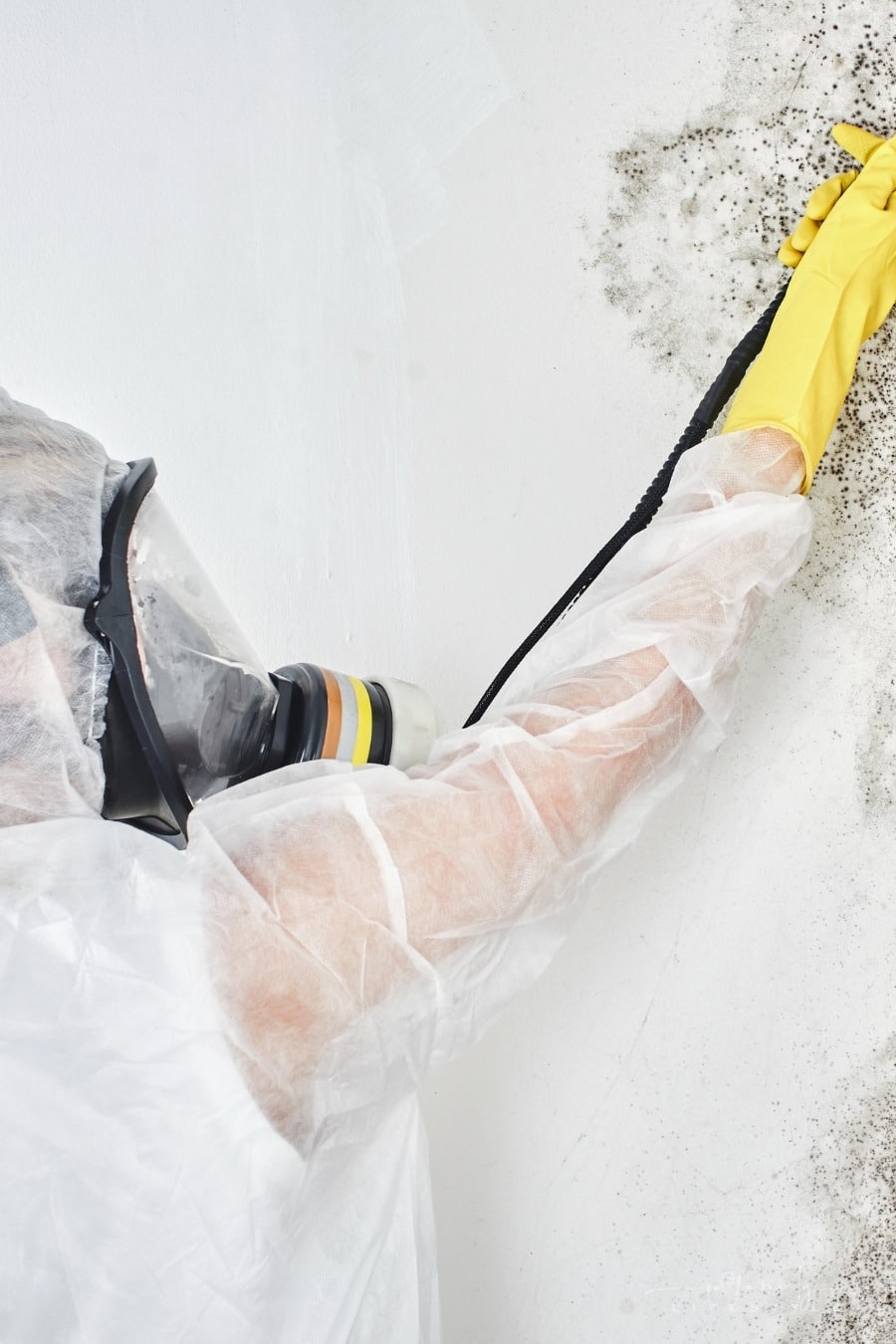
Professional mold remediation in Allentown offers specialized solutions designed for local homes and conditions.
Experts identify hidden growth, remove contaminated materials safely, and help prevent future outbreaks by addressing moisture at its source.
Pro Tip: Early intervention keeps costs down and protects your family from lingering health problems.
Key Takeaway: Understanding the risks of mold—and acting quickly with professional help—restores safety and peace of mind for families facing this all-too-common problem.
The Health Conversation: Mold and Family Well-Being
Mold is a silent presence in many homes, but its impact on health can be anything but subtle.
Families often first become concerned when unexplained sniffles, headaches, or fatigue just won’t go away.
Understanding how mold affects everyone—from toddlers to grandparents—empowers families to spot issues early and take action before problems grow.
Recognizing Symptoms and Vulnerable Family Members
Mold exposure doesn’t always look the same from person to person.
Common symptoms include sneezing, coughing, itchy eyes, skin rashes, or persistent congestion—signs that can easily be mistaken for seasonal allergies.
Children are particularly sensitive because their immune systems are still developing, while seniors may have weaker defenses or underlying conditions that make them more susceptible.
Anyone with asthma or other respiratory problems faces higher risks; even mild exposure can trigger flare-ups or worsen existing symptoms.
Paying close attention to changes in family members’ health—especially if multiple people feel unwell at home—can be the first clue that mold is present and needs addressing.
Long-Term Health Impacts and Prevention
The effects of ongoing mold exposure go beyond short-term discomfort.
CDC Mold Health Effects highlight that living in damp, moldy environments over time increases the risk of chronic conditions like asthma, respiratory infections, and allergies—especially for kids, older adults, and those already managing health challenges.
This makes prevention a family priority. The most effective steps are reducing indoor moisture by fixing leaks promptly, using exhaust fans in bathrooms and kitchens, and keeping humidity low throughout the house.
Tackling small signs of water damage early prevents larger—and more costly—health concerns later on.
Regular cleaning and inspection routines help catch issues before they spiral out of control.
Family Conversations About Health and Safety
Talking about mold isn’t always easy—it can feel overwhelming or even embarrassing to admit there’s an issue at home.
The best approach is honesty paired with practical solutions.
Explain to kids why opening windows after showers matters, or why using a dehumidifier is part of keeping everyone healthy.
Involving all ages fosters teamwork: let children help check for musty smells or hidden leaks.
Encourage open dialogue so no one ignores new symptoms thinking they’re “just allergies.”
Regular check-ins about how everyone feels at home create a proactive mindset where health is front and center—and everyone plays a role in prevention.
Mold in the Modern Home: Causes, Myths, and Realities
Today’s homes are designed to be comfortable and energy-efficient, but these very features can make them more susceptible to mold.
Tightly sealed windows and advanced insulation help keep energy costs down, yet they can also trap moisture indoors.
This section explores why modern houses face unique mold challenges, clears up some persistent myths, and shares actionable steps every homeowner can take to keep their spaces safe and dry.
Why Mold Thrives in Today’s Homes
Modern construction uses materials like drywall, engineered wood, and dense insulation—all of which can hold moisture if leaks or humidity go unchecked.
Energy-saving upgrades often mean homes have less natural airflow. When bathrooms or kitchens aren’t properly ventilated, dampness lingers longer than it should.
Even popular practices like sealing up small cracks for efficiency may accidentally block the escape routes that help moisture dissipate.
Combined, these factors create a perfect storm for hidden mold growth.
Common Myths About Mold and Moisture
A lot of families believe that if they don’t see or smell mold, it isn’t there.
In reality, mold often grows behind walls or under flooring—out of sight but not out of harm’s way.
Another myth is that only old or neglected homes have mold problems.
New builds in Allentown and beyond can develop issues within a single humid season if ventilation is lacking or leaks go unnoticed.
It’s also not true that all molds are harmless. Even “minor” infestations can trigger allergies or worsen asthma symptoms for sensitive family members.
Proactive Prevention and Maintenance
The best defense against mold is consistent prevention.
A Mold Prevention Checklist from 2023 highlights simple but effective actions: check plumbing for leaks regularly, use exhaust fans when showering or cooking, and aim to keep indoor humidity under 60% year-round.
Promptly fixing any water intrusion—no matter how minor—can stop a small problem from becoming an expensive headache down the line.
Key Takeaway: Routine maintenance and smart moisture control are essential for keeping modern homes healthy and mold-free.
When Mold Strikes: Family Stories and Lessons Learned
A Family’s Journey from Discovery to Remediation
Imagine discovering a dark patch creeping along the basement wall just days after a heavy rainstorm.
For the Gomez family, it started with a musty smell and mild allergy symptoms—easy to ignore at first.
But as weeks passed, their daughter’s coughing worsened, prompting them to investigate further.
The emotional toll was real: anxiety about health, frustration over hidden damage, and concern about repair costs all piled up fast.
Bringing in experts to assess and remediate the mold brought relief but also lessons on home maintenance they’ll never forget.
Building Resilience and Healthier Habits
Mold scares can be wake-up calls for families to reevaluate their routines at home.
The 2023 feature After the Storm: Damp, Moldy Homes highlights families who faced mold after flooding and made lasting changes—like promptly discarding water-damaged items, improving ventilation, and using dehumidifiers regularly.
These steps not only helped prevent future outbreaks but also created healthier spaces where everyone could breathe easier.
Community Resources and Support
No family should have to tackle mold alone. Many local health departments offer guidance on safe cleanup or can point you toward certified remediation services.
Online forums connect families dealing with similar issues—providing emotional support, practical tips, and trusted recommendations for local help in Allentown and beyond.
Civic organizations sometimes run workshops on prevention or even supply free resources like moisture meters or air quality tests for community members in need.
Mold isn’t just a minor inconvenience—it’s a real concern that affects families at every level, from daily comfort to long-term well-being.
By learning about the risks and staying alert to signs of mold, families take control of their environment and health.
Open conversations, routine home maintenance, and quick action when mold appears all make a difference.
When everyone’s involved, homes become safer, healthier places to live—and peace of mind follows naturally.
A little awareness today leads to healthier tomorrows for the whole family.