

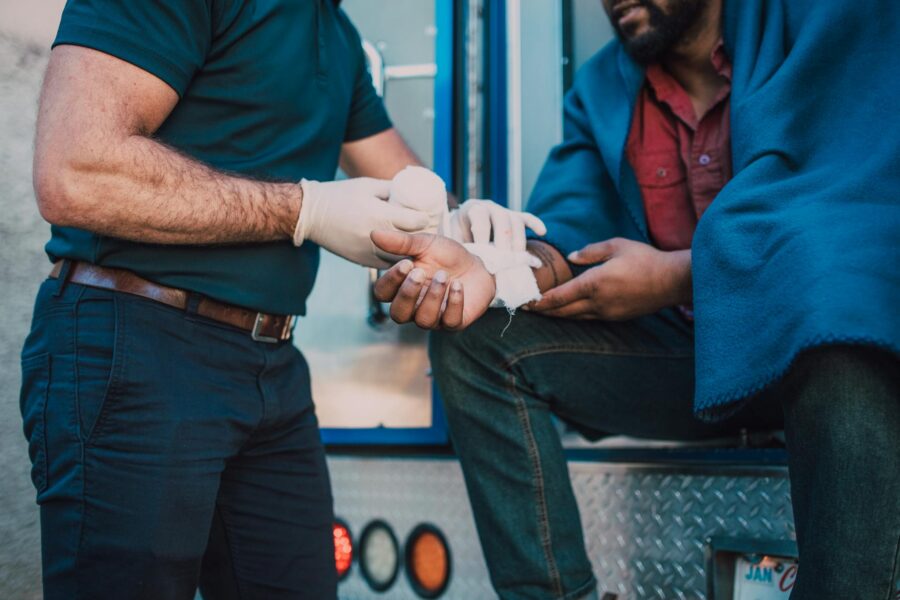
Living in an apartment complex provides convenience, shared amenities, and a sense of community, but it also brings certain risks when unexpected accidents occur. Speaking with an apartment injury lawyer can help clarify who may be legally responsible when those accidents cause harm.
Determining liability is not always simple; it can involve property owners, management companies, contractors, or even tenants, depending on the facts. These questions in Las Vegas, Nevada, carry particular weight because of the city’s fast-paced growth, frequent tenant turnover, and the mix of older and newer residential buildings.
Hazards take many forms, from aging complexes in established neighborhoods where broken stairways or faulty wiring might cause harm to modern high-rises near the Strip, where maintenance issues like malfunctioning elevators or security lapses can lead to injuries.
For residents, understanding how liability is assigned is essential in protecting their rights after an incident. For landlords and managers, recognizing these responsibilities helps reduce disputes and prevent costly claims.
Understanding Liability Basics
Liability is the legal obligation of one party to compensate for the damage caused to another party. Multiple parties may be held liable for injuries sustained in apartment complexes. These may include the property owner, management companies, maintenance personnel, or another tenant. The circumstances surrounding the incident will determine liability.
Role of Property Owners
Property owners are responsible for keeping their properties safe, including conducting routine inspections and eliminating potential hazards. The owner could be accountable if an injury occurs due to a neglected maintenance issue. Say a tenant trips on a broken step that the homeowner knew had been broken for months; they might end up liable.
Management Companies and Their Responsibilities
Most apartment complexes hire management companies to oversee the details of daily operations. These companies handle maintenance requests and ensure adherence to safety regulations. If the management is careless and something happens, they may be partly responsible. For instance, a management company could be liable if an elevator requires repair and someone gets injured.
Maintenance Staff and Contractors
The role of maintenance staff and contractors is to handle repairs and maintenance. If your maintenance worker or contractor does subpar work that causes an accident, they could be liable for damages. For example, if you install a handrail incorrectly, and someone were to fall, you could be liable.
Tenant Responsibilities
Tenants also have obligations. They should utilize the premises as expected and immediately report any dangers. Liability bifurcates between parties if a tenant contributed to an accident because of abuse or negligence. For example, if a tenant spills water in a hallway, does not clean it, or tell anyone about it, and another person slips, the tenant may be partly responsible.
Common Areas Versus Individual Units
Liability can change depending on the location of the injury. Such spaces include hallways, lounges, and gyms. They are primarily under the purview of the property owner or management. On the flip side, losses in an individual unit can be tenant- and owner-specific, depending on what caused the loss.
Insurance and Liability Coverage
Liability insurance is an important consideration. Landlords usually have liability coverage used to defend against such claims. Moreover, renters insurance is available, and some programs cover personal liability. By reading up on these policies, you can better understand what is and is not covered if you sustain an injury.
Turn Injured To Steps After An Injury
Injuries occur quickly, and knowing what to do immediately is essential. First, seek medical attention immediately. Record the scene and include any dangerous circumstances. If possible, get the contact details of witnesses. Filing a report with the property management immediately will document the incident and ensure a resolution.
Legal Considerations
If the parties cannot agree on liability, it may be necessary to initiate legal action. Speaking with a lawyer can help determine how to proceed. They can evaluate the circumstances, collect evidence, and see if a viable claim exists.
Preventive Measures
Prevention is much better than any cure. Property owners and management should regularly inspect the property to identify and remedy hazards. Tenants should also notify the landlord of issues and follow safety rules in the unit.
Conclusion
Liability in apartment complexes is complicated; it involves many factors and parties. Identifying each party's role can also help determine who can be held liable for any injury. Safety precautions can reduce accidents, and property owners and tenants can work together to minimize the risk; it's about being on guard and ensuring resident safety.