


International flight delays can disrupt travel plans and leave travellers unsure about the support available during the wait. Many travellers are not always aware of how travel insurance applies to delays or when certain benefits may become relevant. This uncertainty often raises questions about coverage conditions and timing.
This article explores how travel insurance may apply to flight delays, when delay-related coverage begins, and the situations and requirements involved.
The Connection Between Flight Delays and Travel Insurance
Flight delays sit between airline disruption management and personal financial risk. Many policies include a travel delay or missed connection benefit that may help with reasonable extra expenses when a qualifying delay affects a covered journey. Eligibility is usually tied to the timing of the delay and the reason recorded by the carrier. The schedule of benefits and exclusions generally decides what is payable.
When Travel Insurance Becomes Active
Cover normally runs only within the dates and times shown on the certificate. Delay benefits often apply once the trip has started within the insured period. Policies may also define where the journey must begin, how flights are counted, and whether the itinerary needs to match the booked plan. Checking these points early helps set expectations for international flight insurance.
The Minimum Delay Period Before Insurance Benefits May Apply
Delay benefits often require a minimum number of continuous hours before they may apply. The waiting time is usually measured from the scheduled departure time and can vary by plan. A policy may pay a fixed amount after the first time block, or it may reimburse reasonable costs up to a set cap.
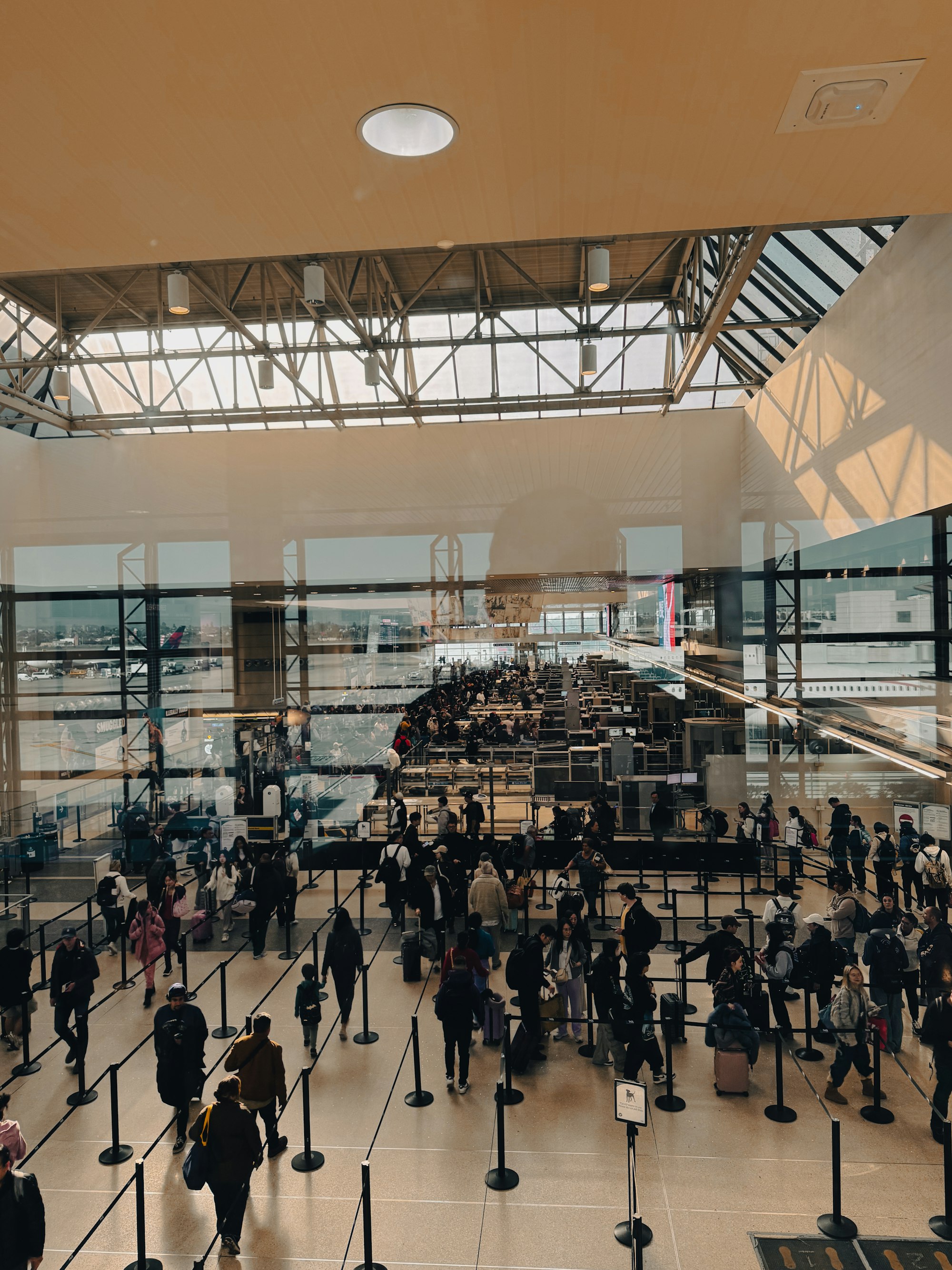
It helps to note the scheduled time and the actual departure time, as the benefit is often assessed based on these times. Separate limits for each delay event and for the full trip are also common.
Situations That May Trigger Delayed Coverage
Delay cover is often written to respond to verifiable events outside the traveller’s control and recorded by the airline or airport authority.
● Weather disruption is documented as affecting operations.
● Air traffic control restrictions impacting flights
● Technical or mechanical issues noted in a delay certificate
● Missed connection caused by an insured inbound delay
● Airport closure or security incidents recorded by authorities
● The carrier instructs re-routing after the disruption
Situations Where Delay Coverage May Not Apply
Some delays may be excluded even when they are long, depending on what the policy removes.
● Delays known at the time of purchase or publicly announced before departure.
● The itinerary was changed voluntarily, including skipping an available flight.
● Documents were missing, visas were incorrect, or boarding was denied for rule breaches.
● Check-in was late, or airline instructions were not followed.
Expenses That May Be Associated With Delay Situations
When the delay meets the policy trigger, benefits may relate to necessary spending during the wait.
● Meals and refreshments are purchased during the wait.
● Short-stay accommodation is needed for an unavoidable overnight delay.
● Local transport is used between the airport and accommodation, with receipts.
● Basic toiletries or essentials are bought due to the extended waiting time.
● Communication costs are incurred only when included in the benefit.
What Travellers May Need If a Delay-Related Claim is Made
A delay claim usually depends on time records and the carrier’s stated reason. A written confirmation from the airline is commonly requested, showing scheduled and actual departure times and the cause of the delay. Boarding passes, e-tickets, and the full itinerary may be needed, especially where a missed connection is involved.
Insurers typically ask for itemised, dated bills, along with payment proof that matches the amounts claimed. Many policies also set time limits for notifying the insurer and submitting documents.
Conclusion
Flight disruption is common in international travel, but delay benefits usually follow clear rules. Knowing when cover is active, how long the wait must be, and which causes may qualify helps reduce confusion. Keeping the airline’s written confirmation, holding on to boarding documents, and saving itemised receipts can help make the claim smoother.
Reviewing key terms before departure also helps keep spending focused on costs that may be considered. This supports quicker decisions when schedules change.