

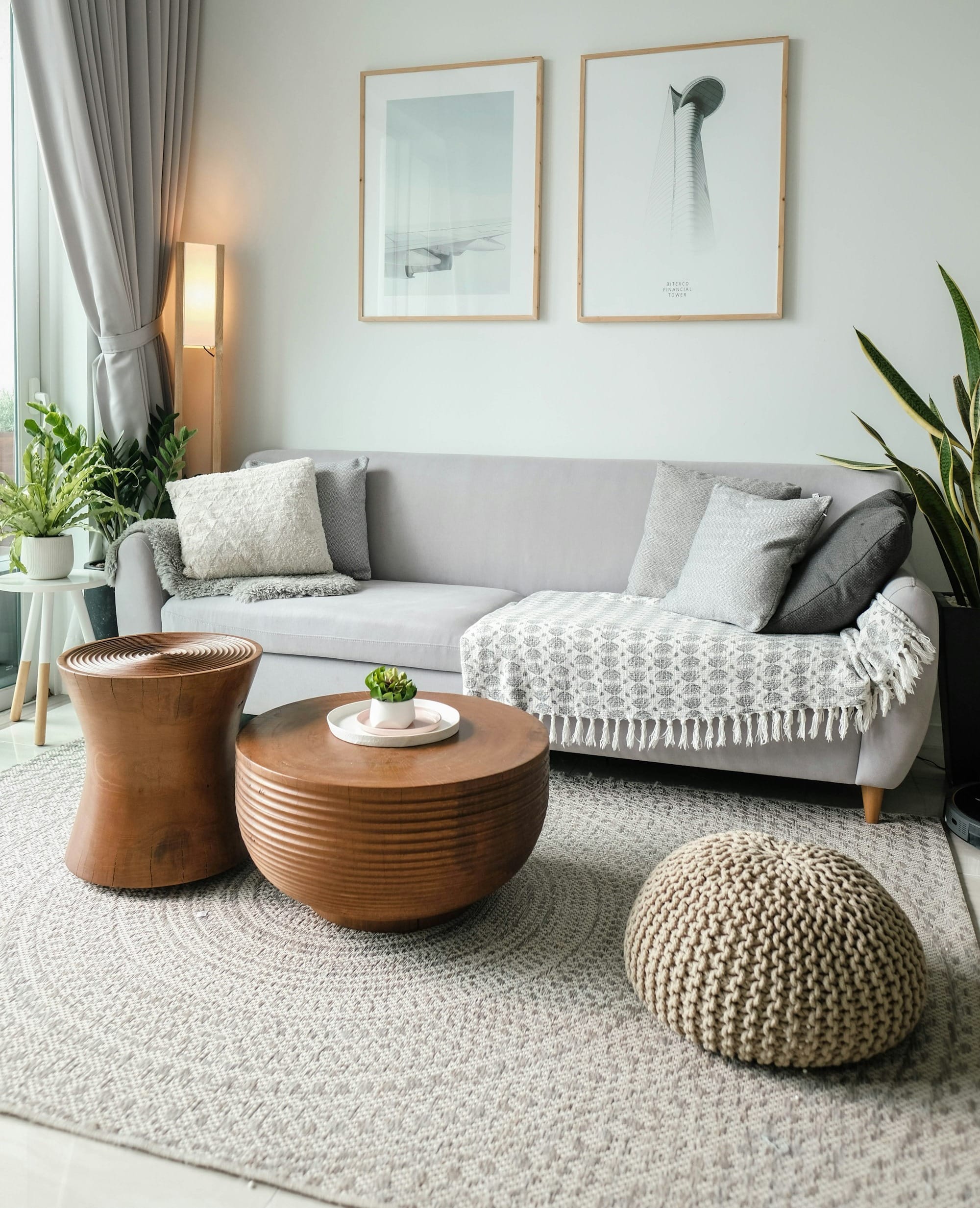
Most people don't sit down and think about their "furniture style." You see something you like; if it fits your space, then you bring it home. But over time, those choices start to add up.
Your space begins to reflect how you live, whether you prefer things neat and simple, warm and familiar, or practical and easy to manage.
Lately, more homeowners are leaning toward pieces that feel right for their daily life. When your home fits how you actually live, it just feels better to be in it. So when you look around your space, are your furniture choices just random, or do they say something about you?
Take the 60-Second Furniture Personality Quiz
Before looking at specific furniture styles, take a minute to answer these quick questions.
Don’t overthink it. Just go with what feels closest to how you actually live.
1. When you finally get time at home, what do you look for?
- [ ] A. Peace and quiet
- [ ] B. A cozy and warm spot to unwind
- [ ] C. A space filled with things I enjoy looking at
- [ ] D. Something comfortable and easy to deal with
2. How do you deal with clutter?
- [ ] A. I clear it right away
- [ ] B. I don't mind a bit if the space still feels warm
- [ ] C. I like having things around me
- [ ] D. I just want everything in its place
3. What matters most when buying furniture?
- [ ] A. Simple look
- [ ] B. Something that lasts
- [ ] C. Something different or interesting
- [ ] D. Something useful
4. How do you want your home to feel?
- [ ] A. Calm
- [ ] B. Welcoming
- [ ] C. Full of personality
- [ ] D. Easy to live in
5. When someone visits, what do they notice first?
- [ ] A. How clean everything looks
- [ ] B. How comfortable it feels
- [ ] C. The details and decorations
- [ ] D. How organized it is
Your Results
Count up your answers:
- Mostly A’s → Minimalist Style
- Mostly B’s → Cozy / Traditional Style
- Mostly C’s → Eclectic Style
- Mostly D’s → Functional / Modern Style
Most people fall into a mix of two styles—and that’s completely normal.
What This Means
Your answers naturally lean toward one or two patterns.
In the next sections, you'll see how those patterns connect to your personality type through four common furniture styles—and how they actually look in a real home.
The Calm Minimalist
If you prefer clear surfaces and quiet spaces, this style will likely feel natural. You feel more at ease when a room is not crowded. Too many items can feel distracting, so you lean toward keeping only what you need and use. Your home should be a place where you can reset, not one that adds more noise to your day.
Furniture in this style is simple but intentional. It focuses on clean lines, neutral colors, and pieces that do their job without drawing attention. You'll likely choose something understated for storage, like a rustic display cabinet that keeps essentials organized without making the space feel heavy.
The Warm Traditionalist
You're the type who wants your home to feel comfortable every time you walk in. Not trendy or too flashy, just familiar and easy to settle into. You probably lean toward pieces that remind you of family homes or spaces that feel warm and welcoming, not something you'll want to change after a year.
You're drawn to handmade solid wood furniture with classic shapes and warm tones because it holds up well and doesn't go out of style. This is where Amish furniture styles often come in - known for being well-built and made to last. Instead of replacing furniture often, you'd rather invest in pieces you can keep and use for years without second-guessing them.
The Creative Collector
You enjoy spaces that feel personal and full of life. Instead of matching everything, you like mixing colors, textures, and pieces that mean something to you. Your home may include items collected over time, from travel finds to family keepsakes. Each piece has a story, and that's what makes the space feel like yours.
This kind of style often builds naturally, especially in family homes where new items are added over the years. The key is keeping it intentional. Choose a few main colors or materials to tie everything together, and let one or two pieces stand out rather than compete for attention.
The Practical Multitasker
You care less about how a piece looks on its own and more about how it works in your daily routine. Your home needs to function well, especially if you're managing a busy household. You prefer spaces that are easy to move around in, easy to clean, and easy to keep organized. If something doesn't serve a purpose, it usually doesn't stay.
Your furniture choices reflect that mindset. You look for pieces with built-in storage, durable materials, and designs that can handle everyday use. A chifferobe cabinet, for example, can help keep clothes and essentials in one place without taking up too much room. When you follow this kind of furniture style guide, the goal is simple: make your space easier to live in without adding extra work.
Mixing Styles Without the Chaos
Most homes don't stick to just one style, and yours probably doesn't either. You might like clean, simple pieces, but still want something warmer or more practical mixed in. That's normal. The problem only starts when everything feels random, and nothing seems to work together.
A better approach is to pick one style that feels closest to how you live, then build around it. Add a few pieces that support it rather than compete with it. Focus on comfort and durability first, not trends that come and go. It also helps to repeat a few colors or materials so the space doesn't feel all over the place.
Choose What Feels Like Home
When you look at your space, you'll see that your furniture choices are rarely random. They reflect how you relax, how you move through your day, and what makes you feel comfortable at home. Whether you lean toward simple, warm, creative, or practical pieces, your style usually shows up without you having to force it.
The goal is not to fit into one label, but to choose pieces that make your home easier and more enjoyable to live in. If you're updating your space or starting fresh, take a closer look at what already works for you and build from there. When your furniture matches how you actually live, your home starts to feel right without trying too hard.