
Bringing a new pet into your family can be both exciting and challenging, especially when children are involved.
Kids and dogs can be great companions, but establishing a good relationship between them requires attention and care.
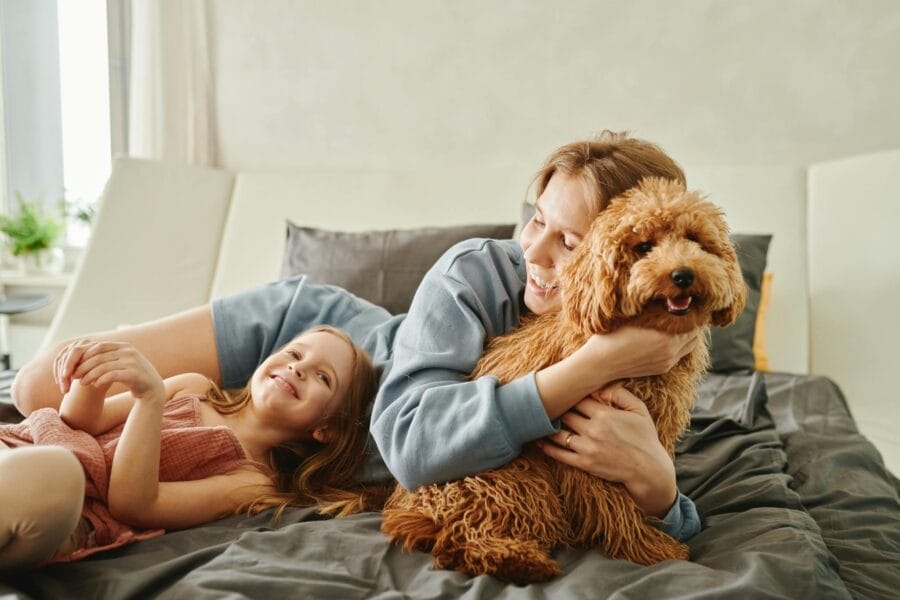
Think of the happiness and laughter that come with kids playing with a dog. This can create lasting bonds. To help your child and dog thrive together, everyone must understand and put in effort.
Interactions between dogs and kids can sometimes be unpredictable, but with proper guidance, they can lead to happy experiences. It's important to build a foundation of respect, care, and understanding.
Here's how to create a healthy relationship between your child and your dog!
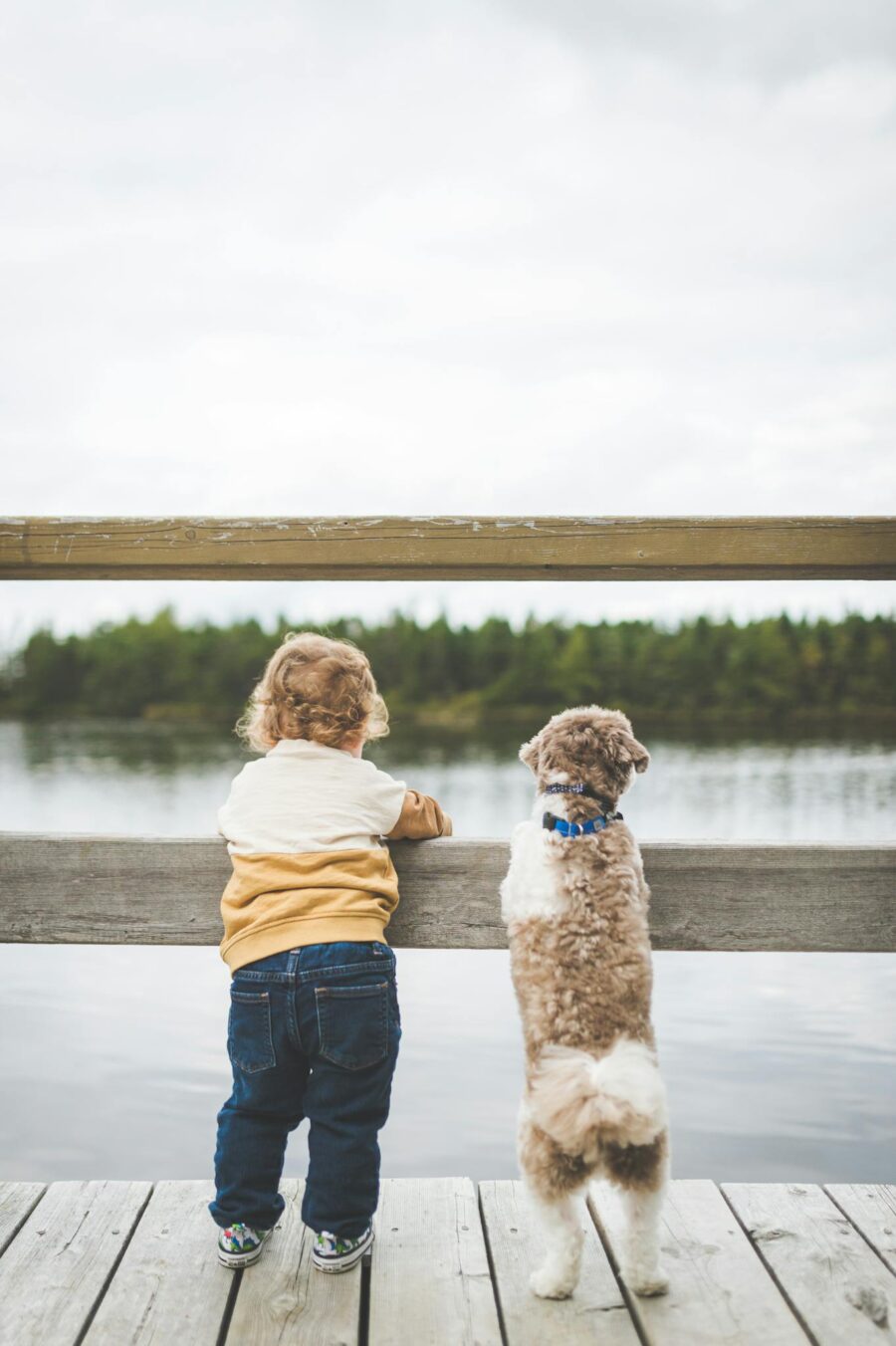
Proper Introductions
First impressions are important! When introducing your dog to your kids, ensure the meeting is calm. It's key for your dog to feel safe and for your child to learn to interact gently.
Bring your dog into the room on a leash and keep your kids at a safe distance. Let them watch the dog and wait for your go-ahead before they touch it.
Gradually let your child give treats to the dog to encourage positive behaviour and build trust.
This first meeting will help future interactions. Teach kids to read the dog's body language so they can see signs of comfort or stress. A gentle approach is vital for safety and respect.
Teaching Responsibility
Having a dog is a great way for kids to learn about responsibility. Involve them in daily tasks, like feeding and grooming. This helps children understand what it means to care for another being and teaches them the importance of routine and commitment.
Choosing the right food is an integral part of this responsibility. Brands like Acana dog food offer high-quality nutrition to keep your dog healthy and active.
With real meat as the first ingredient and no fillers, Acana is an excellent choice for pet owners seeking to provide their pets with nutritious meals. Involving kids in meal prep allows them to learn about caring for a pet hands-on.
Consistent Training
Teach your dog basic commands. This helps the dog and kids know how to interact together. Commands like "sit," "stay," and "down" promote good behaviour and make it easier for children to interact with the dog. Involving kids in training fosters a sense of responsibility for their pet.
Make training a fun activity for the whole family. This teaches the dog obedience and creates fun memories for both kids and dogs.
Safe Play Spaces
Set up safe areas for both dogs and kids to play. Supervised spaces allow them to interact freely and reduce tension.
Create a designated play area filled with toys to keep the dog engaged. If you live in luxury apartments, ensure you create enough space for your dogs and kids to move around.
Teach kids to respect the dog's personal space and to take breaks during playtime to avoid overwhelming the dog.
Include activities that involve both kids and dogs, like fetch or hide-and-seek. This allows them to bond safely and enjoyably.
Supervised Activities
Kids often have a lot of energy, but dogs may not. It's essential to supervise playtime to ensure everyone's safety and comfort. If a child is playing too roughly, an adult should step in and show them how to play gently.
Balance structured activities, like teaching tricks or playing simple games, with downtime for the dog. This helps everyone learn about setting healthy boundaries, knowing when to play and when the dog needs to relax.
Socialization Opportunities
Take your dog and kids to different places and social situations. Visiting a dog park or attending family gatherings helps both dogs and their owners become more comfortable with new experiences.
Make sure your dog is trained and well-behaved beforehand, as positive experiences encourage good behaviour.
Socialization helps kids and dogs learn how to interact with others. Children gain confidence, and dogs learn to interact with a variety of people and pets, thereby deepening their bond. It’s also a great way to conduct narrative therapy.
Patience and Understanding
A strong relationship between dogs and kids takes patience. Each dog has a unique personality. Some dogs may need time to adjust to children or require calm surroundings to feel safe.
Teaching kids to be understanding can help them learn important lessons about friendship and empathy.
Encourage kids to pay attention to their dog's behaviour and mood. Sometimes, dogs need their space, and kids should learn to respect that. This understanding helps create a lasting bond that allows kids and dogs to live together happily.
With effort and understanding, a strong bond between dogs and children can develop. Create the right environment and encourage respect, and you will enjoy the joy of kids and pets living together. Remember, these bonds can thrive beautifully with the right guidance.