
How to Upgrade a Commercial Property for Parking, Power and Security
Practical Australian guide to improving commercial parking, power, EV readiness, solar, batteries, CCTV, and security while checking local rules.

If you own or manage a commercial site, you probably have a running list of improvements: awkward parking flow, rising power bills, and after-hours security that relies too much on guesswork. You do not have to fix everything at once. This guide walks through a practical sequence for parking, power, and on-site security in an Australian context, with examples from NSW, Victoria, and Western Australia. Requirements differ by state, council, building type, and site history, so confirm details with your local authority before you commit. This is general guidance, not legal advice.
Start with a simple plan
Before approving work, get clear on what is actually causing problems day to day. Walk the site at different times, noting occupancy, pinch points, lighting gaps, power limits, and after-hours risks. Take photos, time peak periods, and review incident logs. Check approvals early too: in NSW, some changes need development approval while others may fit a complying development path. Accessibility, camera privacy, and insurance notification can also affect the plan.
It also helps to fold these upgrades into your wider plan for commercial property upkeep, so parking, power, and security work sits alongside routine maintenance rather than competing with it. Check approvals early too: in NSW, some changes need development approval while others may fit a complying development path. Accessibility, camera privacy, and insurance notification can also affect the plan.
Prioritise quick wins first
Re-stripe faded lines, fix confusing signage, add motion-sensor LEDs, and review who has after-hours access. Then plan the medium-sized upgrades, such as EV-ready boards, solar, and batteries.
Parking that works now and later
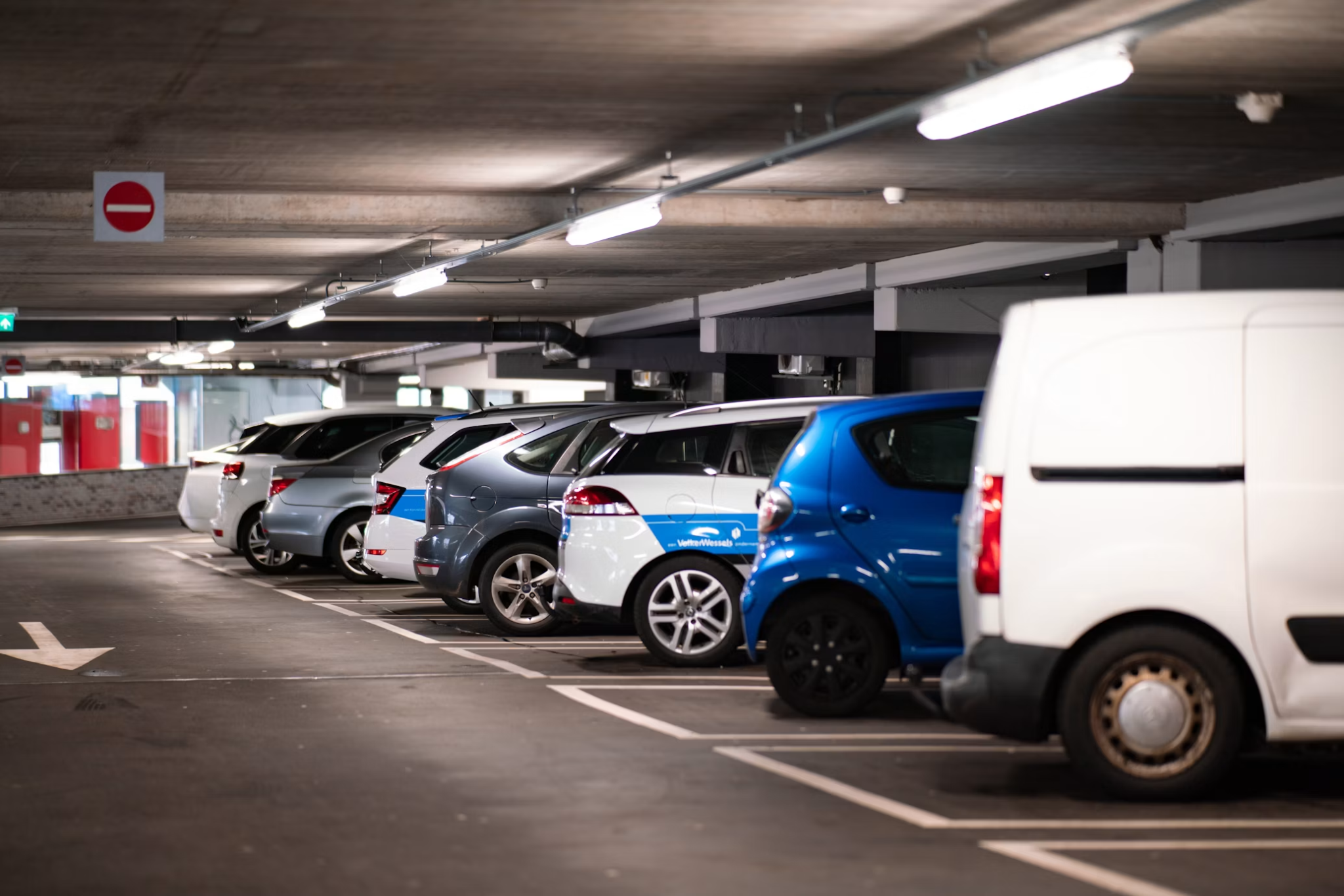
For complex Sydney blocks, a specialist basement car park builder can help scope excavation, waterproofing, and approval issues before you commit. Good parking starts with flow and safety, then allows for future demand. Get the basics right: clear line-marking, headroom signage, smooth ramp transitions, speed control, and simple wayfinding. Accessible car parking follows NCC references to AS/NZS 2890.6, including clear signage and shared-zone markings, so factor that in from the start.
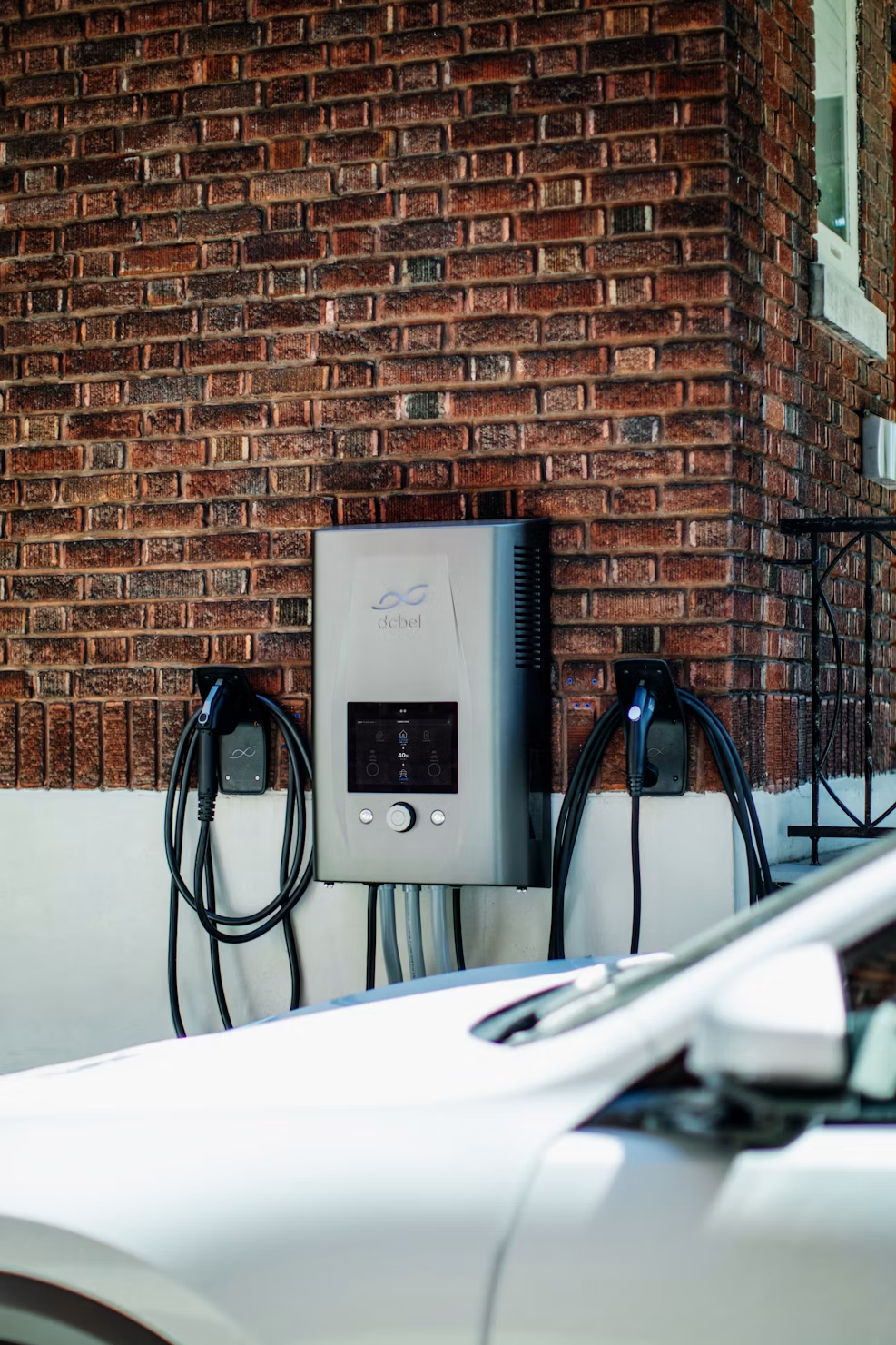
Even if you are not installing chargers yet, leave room for them. Under NCC provision J9D4, car parks linked to many building classes must include electrical distribution boards dedicated to EV charging, designed so 7 kW Type 2 chargers can be added later. In Victoria, new buildings may also need switchboard capacity and infrastructure space for future EV charging, with percentages that vary by building type. In Western Australia, amended regulations make the NCC EV-ready provisions mandatory from 1 May 2025. In NSW, many EV chargers in car parks may qualify as exempt development if relevant SEPP standards are met, but check consent conditions before designating EV-only bays.
On a tight or sloped block, the best option may be to build down rather than spread out. If you are weighing an underground option in Sydney, a specialist contractor can scope excavation, waterproofing, and approvals so you know what is feasible before making commitments.
Power: solar, batteries, and load management that fit your building
Power upgrades work best when you tackle the easiest savings before adding larger systems. Start with lighting: LEDs typically use much less energy than halogens and last longer. Add occupancy sensors and use daylight where you can to improve savings without making the project complex.
Rooftop solar paired with a battery can smooth your load and reduce reliance on the grid. For Hunter sites, compare solar and battery installation options and ask how meter changes, monitoring, and maintenance would be handled. Australia's Cheaper Home Batteries Program may provide a discount on eligible battery systems, but eligibility and certificate factors can change, so confirm current details on the official DCCEEW program page before planning around any rebate.
Level 2 chargers need dedicated circuits and EV distribution boards. Load management can stage charging across multiple chargers and reduce charge rates to protect your supply, so design it in early. Before signing anything, ask about approvals, grid connection support, and post-install monitoring.
Security: smarter layers that respect privacy
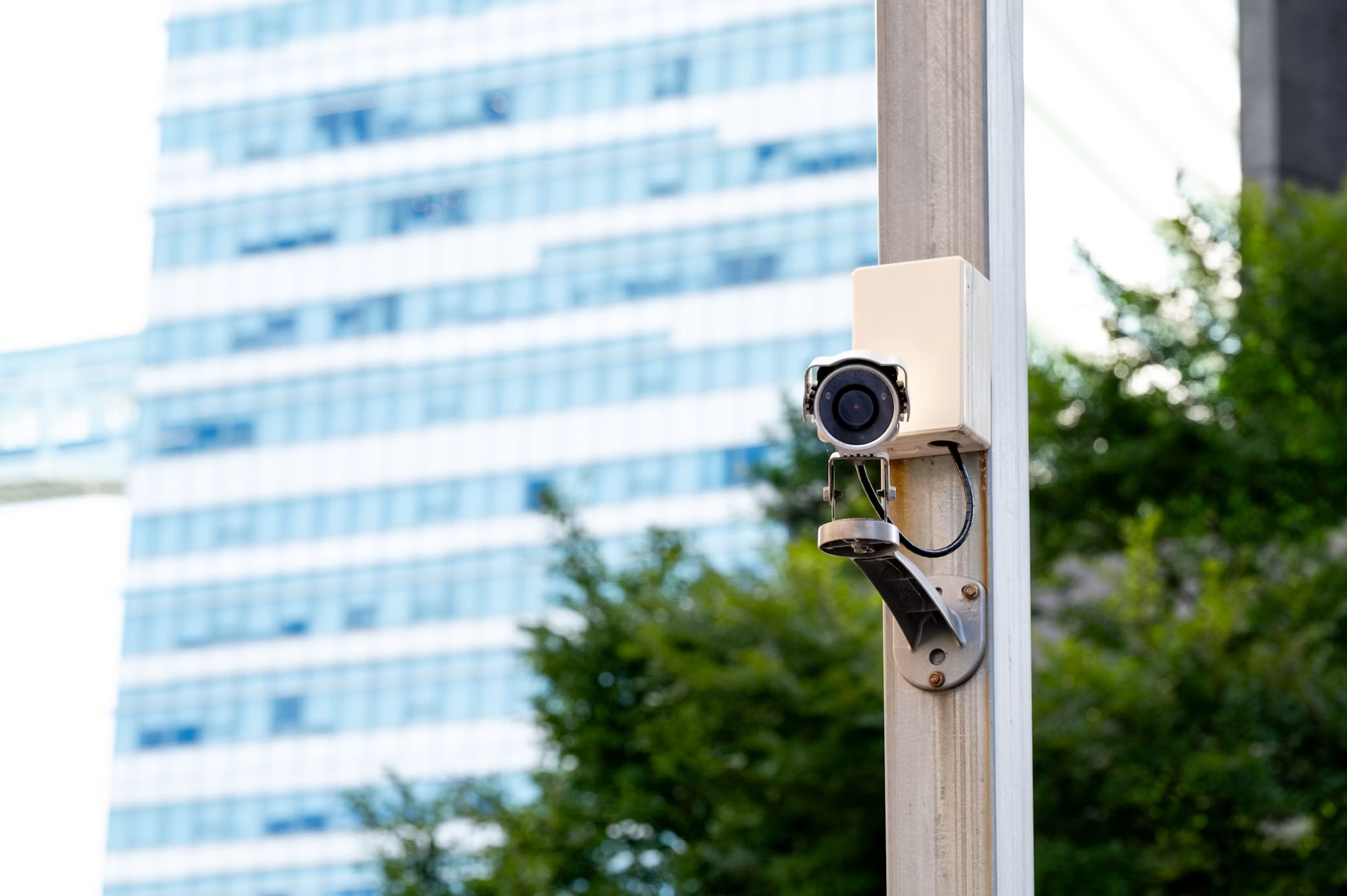
Good security is layered, and it needs to protect people without ignoring privacy obligations. Government best practice for workplace CCTV includes making cameras visible, placing signage at entrances, and avoiding private areas such as bathrooms and change rooms. If the Privacy Act covers your organisation, CCTV use must comply with the Australian Privacy Principles, including notification, secure footage storage, and disposal when footage is no longer needed. State surveillance laws may also apply.
Cameras only go so far. When events, after-hours trade, or construction activity raise the risk, on-site personnel can fill the gap. Licensing rules differ by state, so confirm current requirements with your regulator before engaging anyone. For broader planning context, compare your approach with resources such as security strategies for large business organizations on Exeleon Magazine, then adapt ideas to local rules and site risks.
If you need short-term patrols, event coverage, or construction site security in regional Victoria, start by confirming the provider holds the correct business and individual operator licences. Ask how they document incidents, manage handovers, brief staff, and handle temporary coverage for crowd control or patrols, then use those checks to find trusted security guards in Victoria.
Budget and timeline: how to sequence the first 90 days
You can make meaningful progress in a single quarter if you sequence the work sensibly. In days 0 to 30, audit parking use, relamp critical zones, request EV-ready board quotes, get a solar and battery pre-design, and talk to your insurer about CCTV changes. In days 31 to 60, roll out LED and control retrofits, lodge required applications or notifications, confirm board design, and update privacy signage and policies. In days 61 to 90, install EV-ready boards, commission priority chargers, schedule solar and battery works, test camera coverage, and train staff on access and privacy policies.
Conclusion
You do not need to do everything at once. Start with a quick audit, fix the low-cost issues, then build capacity for future power and charging needs. Keep a simple record of what you change and why, since that helps with insurance, approvals, and future planning. Most of all, confirm local rules and current incentive details with official sources before you commit.
FAQs
Do I need council approval to add a few chargers?
It depends on your state and site. In NSW, many chargers in car parks may qualify as exempt development if relevant SEPP standards are met, but confirm existing consent conditions with council or the NSW Planning Portal before you start.
What size battery suits a small office?
It depends on usage pattern, roof space, and solar generation. A qualified installer can size it to your actual load. If you plan around any rebate, confirm current eligibility on the official program page.
What CCTV signs and policies do I need?
Keep cameras visible, place signage at entrances, and avoid private areas. If the Privacy Act applies, follow the Australian Privacy Principles for notification and secure footage storage. State surveillance laws may add further duties.
What is the difference between EV-ready and EV installed?
EV-ready means the electrical infrastructure is in place so chargers can be added later. EV installed means the chargers are fitted and operational. Building EV-ready first can reduce cost and disruption when demand grows.