
How to Prepare a Commercial Property for Long-Term Use
Preparing a commercial property for long-term use does not have to be complicated. Learn practical steps covering exterior safety, compliance, interiors, and insulation to protect your investment and keep your space functional for years ahead.

Most commercial property owners only start thinking about upkeep when something goes wrong. A leak appears, a wall starts cracking, or a client walks in and the place just looks tired. At that point, you are already behind.
The truth is, preparing a commercial space for long-term use is not a one-time job. It is an ongoing commitment that starts with the right foundation and builds from there. Whether you own the property or manage it, taking a structured approach early saves you from costly, stressful repairs down the road. Here is where to start.
Take a Hard Look at the Outside First
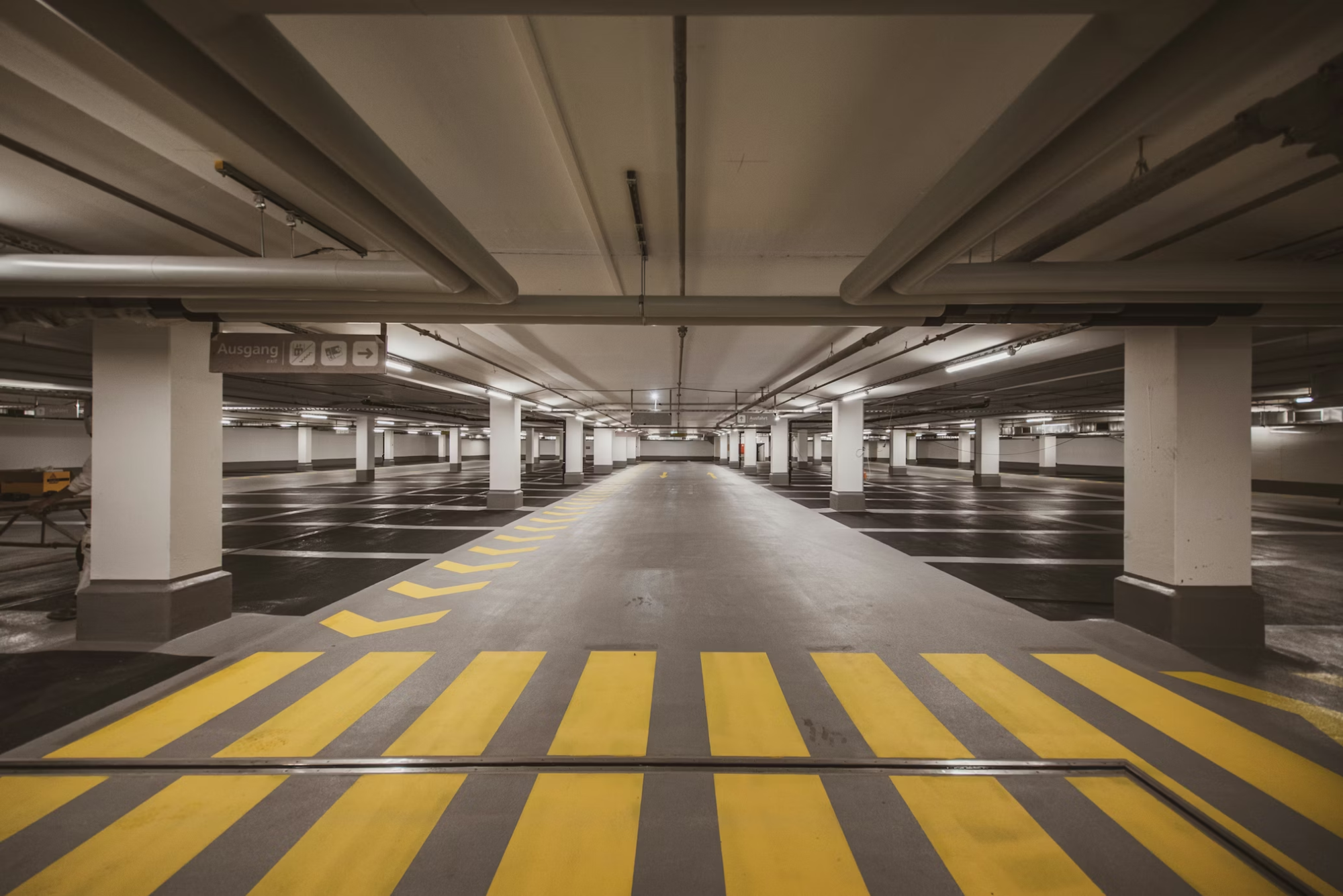
Before you touch anything inside, walk the exterior of your property. Most people skip this step, but the outside of your building is doing a lot of heavy lifting every single day.
Ground-Level Surfaces Need More Attention Than You Think
Car parks, driveways, pedestrian paths, and loading areas take constant abuse from vehicles, foot traffic, and weather. Over time, surfaces crack, markings fade, and what was once a clearly organised space becomes a safety hazard.
Faded or missing ground markings are a problem that is easy to overlook but hard to justify if an accident happens on your premises. Clear, well-maintained line marking is one of the simplest ways to keep a commercial property safe, compliant with traffic and safety regulations, and professional-looking to anyone who visits. It signals that the property is actively managed and that safety is taken seriously.
Do not wait until someone complains. Walk the car park, check the loading zones, and identify what needs refreshing before it becomes a liability.
Do Not Ignore Drainage, Fencing, and the Perimeter
Once the ground surfaces are reviewed, shift your attention to drainage channels, perimeter fencing, and boundary conditions. Blocked drains cause flooding and long-term water damage to foundations. Damaged fencing creates security gaps and can put you in breach of your obligations as a property manager.
These are not glamorous fixes, but they are the kind of things that protect the structural integrity of your property over many years.
Get on Top of Safety and Compliance
This is not optional. Every commercial property has a set of legal obligations around safety, and ignoring them is not a strategy. It is a risk.
Know What the Rules Actually Require
Fire exit signage, emergency lighting, accessibility ramps, hazard markings and first aid placement all fall under commercial compliance requirements. These rules exist to protect people, and they also protect you as the property owner. A single compliance failure can result in fines, insurance complications, or worse.
Take the time to understand what applies to your specific property type and location. If you are unsure, bring in a compliance consultant for a walkthrough. It is money well spent.
Keep a Record of Every Inspection and Repair
This is the step most property owners skip, and it is one they almost always regret. Every inspection, every repair, every upgrade should be documented. Create a simple log that includes what was done, who did it, when it happened, and what it cost.
This documentation matters when it comes to insurance claims, when you want to sell or lease the property, and when you need to prove due diligence in the event of an incident. A well-maintained records folder is one of the most practical tools a property owner can have.
Refresh the Interior With Purpose
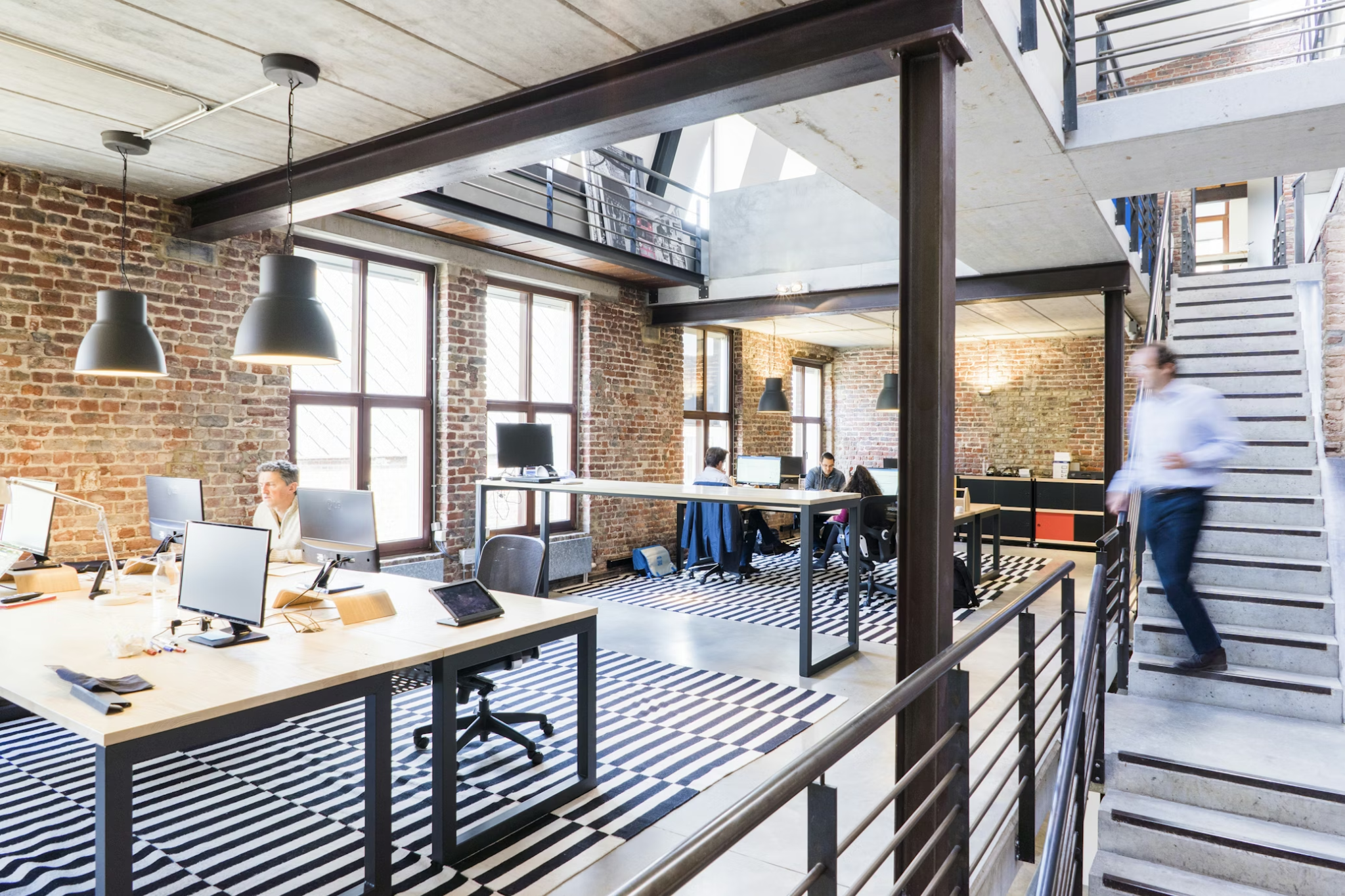
The interior of your commercial property shapes how people feel when they walk in. Clients, tenants, staff, and visitors all form an impression within seconds. A worn-out interior sends the wrong message, even if everything else is working perfectly.
First Impressions in a Commercial Space Are Hard to Undo
Think about the last time you walked into a business and the walls were scuffed, the paint was peeling, or the ceiling tiles were stained. Did it affect how you felt about the business? Almost certainly. Interior condition communicates professionalism, attention to detail, and pride in the space.
The good news is that a properly executed interior refresh does not have to be disruptive or expensive when it is planned correctly. Strategic planning, including solutions like portable storage to protect equipment and furnishings, can keep your business running smoothly while contractors work.
Make Sure the Right People Are Doing the Work
High-traffic areas like reception zones, corridors, meeting rooms, and staff areas need more than a quick coat of paint. Commercial surfaces require proper preparation, the right primers, and finishes that can handle heavy use without deteriorating quickly.
Engaging professional office painters makes a real difference here. They understand how to work around an active business, minimise disruption, and deliver results that actually last rather than needing a redo twelve months later. For a commercial property, this is not an area to cut corners on.
Do Not Overlook Insulation and Weatherproofing
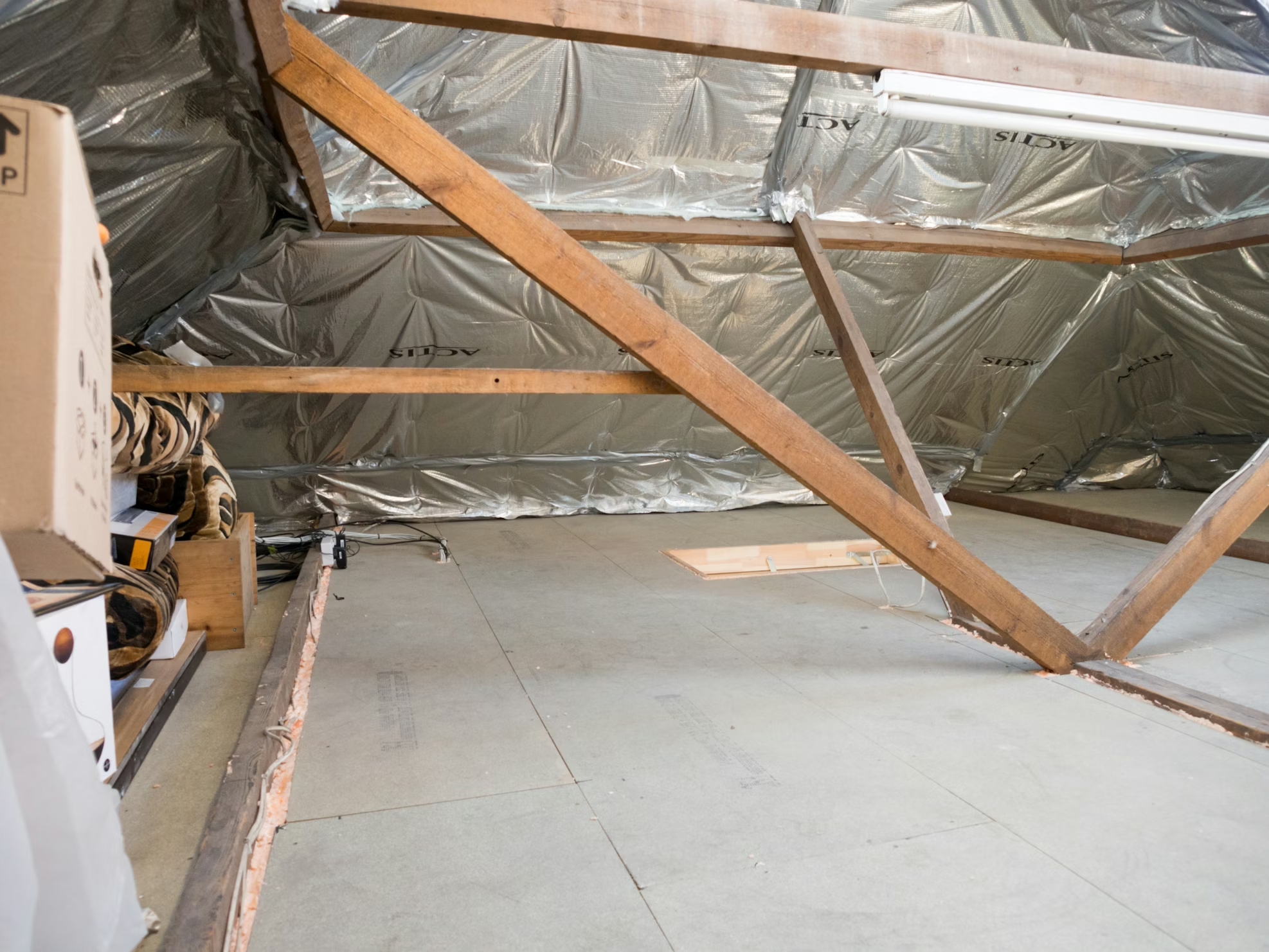
This is the section that gets skipped the most, and it is often where the biggest long-term savings are hiding.
Poor Insulation Costs You More Than You Realise
If your energy bills feel higher than they should be, or if certain parts of your building are consistently too hot or too cold, insulation is almost always part of the problem. Beyond energy costs, poor insulation creates noise issues, moisture build-up, and over time, structural damage.
Modern commercial buildings are increasingly built with thermal and acoustic insulation as a priority. If your property is older, it is worth assessing what is actually inside those walls and ceilings.
Focus on the Areas Where Air and Heat Escape
Roof cavities, wall voids, gaps around windows and doorframes, and structural joints are the most common problem areas. Sealing these properly makes an immediate difference to energy efficiency and comfort inside the building.
For these applications, quality PU foam products are widely used by contractors for their ability to expand into and seal irregular gaps, providing a durable barrier against heat loss, moisture, and drafts. Applied correctly during a property upgrade, this kind of material can significantly extend the life of a building's envelope and reduce ongoing energy expenditure.
Put a Maintenance Plan in Place and Stick to It
Everything above means very little if you do it once and walk away. Long-term property preparation is about consistency.
Review the Property Every Quarter
Set a recurring schedule to walk through the property at least four times a year. Exterior surfaces, drainage, interior walls, and mechanical systems all benefit from regular eyes-on attention. Small issues caught early rarely turn into expensive ones.
Think of Maintenance as an Investment, Not a Cost
Reactive repairs will always cost more than planned upkeep. Setting aside a maintenance budget annually, even a modest one, keeps the property in good shape, protects its value, and avoids the stress of emergency spending when something breaks at the worst possible time. If you are looking for broader context on how small business owners are approaching financial goals in the current economic climate, that perspective can help frame your own decisions around property upkeep and capital allocation.
Conclusion
Preparing a commercial property for long-term use comes down to being intentional. Exterior safety, compliance, interior presentation, insulation, and a consistent maintenance routine are not separate tasks. They are parts of a single strategy for protecting your investment and running a space that works well for everyone in it. Start with a walk-through assessment, identify your biggest gaps, and work through them one at a time. You do not have to do everything at once. You just have to start.
FAQs
How often should a commercial property be fully inspected?
At least once a year is the standard recommendation, but seasonal checks for exterior surfaces, drainage, and weatherproofing are a smart addition, especially in areas with extreme weather changes.
Is it always worth hiring specialists for commercial property work?
For most structural and surface-level work, yes. Specialists bring the right tools, materials, and experience for commercial-scale jobs, and the results tend to last significantly longer than DIY or rushed alternatives.
What parts of a commercial property tend to deteriorate the fastest?
High-traffic flooring, car park surfaces, exterior paint, and poorly sealed roof cavities tend to show wear earliest. These are the areas worth prioritising in any long-term maintenance plan.
How do I start building a maintenance budget if I have never had one?
Start by reviewing your repair costs from the past two to three years. Use that figure as your baseline and add around fifteen to twenty percent to account for preventive work. Even a simple spreadsheet tracking planned versus unplanned spending will help you refine the budget over time.