
Thyroid Eye Disease confuses and concerns a lot of people every year. Identifying the symptoms of it early certainly helps save your eyesight. Many patients feel overwhelmed when they first hear the diagnosis. However, gaining knowledge about this condition can ease much of that worry.
Knowing how this condition forms and what it means for day-to-day living makes it easier for people to get the right treatment at the right time. For those seeking answers to thyroid eye disease FAQs, understanding the basics is the first step toward better eye health. This article covers the key aspects of the disease, from symptoms and causes to treatment and daily care. Read on to learn how you can take control of your eye health.
What Is Thyroid Eye Disease?
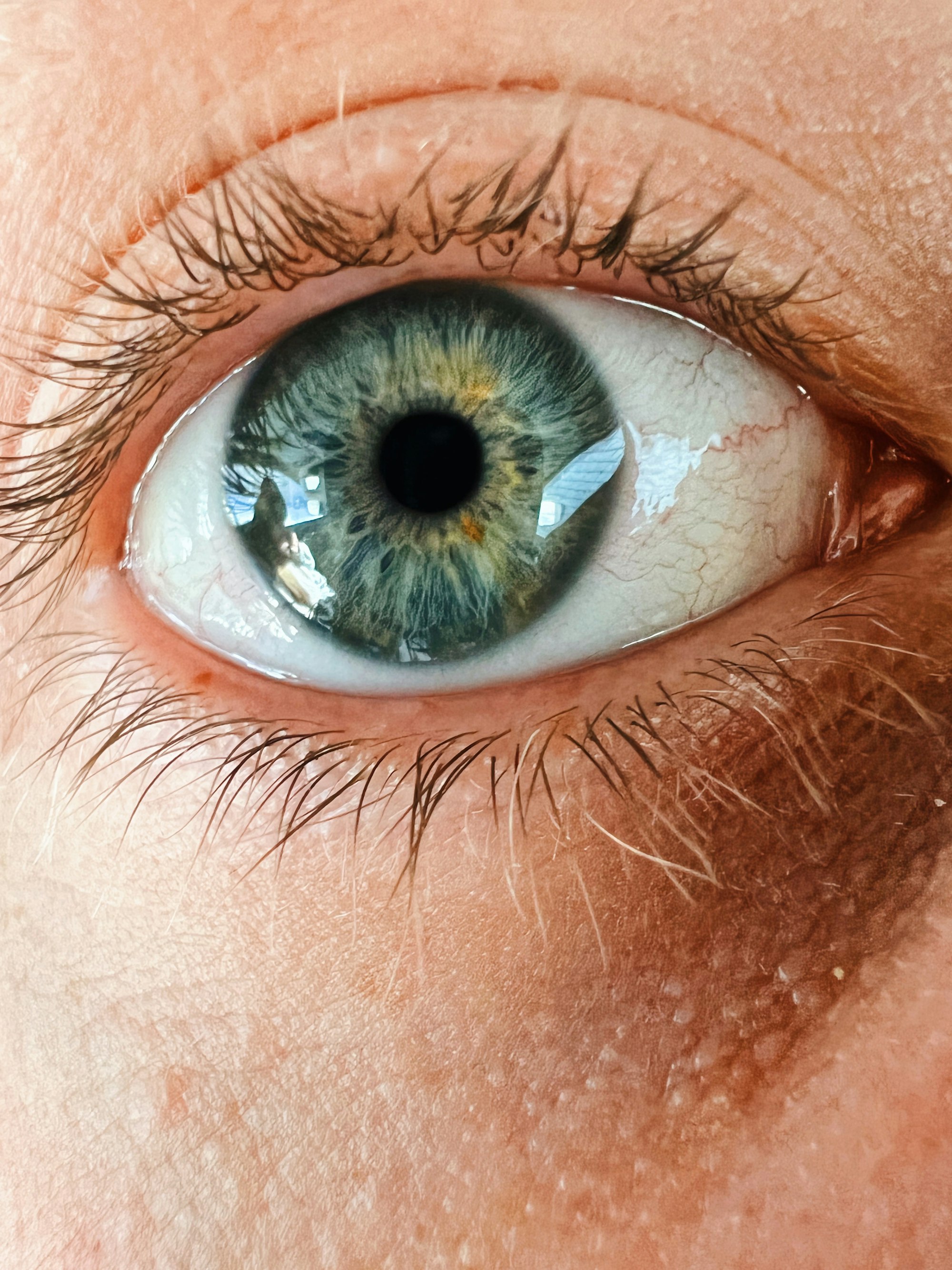
Thyroid Eye Disease (TED) is an autoimmune process associated with thyroid dysfunction. The immune system wrongly targets tissues at the back of the eyes. This condition leads to swelling and inflammation, which result in visible differences in appearance and vision.
Common Symptoms and Signs
Symptoms range from mild discomfort to significant visual loss. People may experience redness, swelling, or protrusion of the eyes. A few may have dryness, watering, or a sandy sensation. In advanced stages of the disease, a person can also become light sensitive or experience double vision.
Causes and Risk Factors
TED is often caused by an autoimmune response. It often occurs with thyroid gland problems, particularly hyperthyroidism. If you smoke and have a family history, you are at a higher risk for these eye disorders. Identifying risk factors allows people to pay more attention to their health.
Thyroid Eye Disease and Its Impact on Vision
The bulging appearance arises due to swelling behind the eyes that pushes them forward. Eyelids may retract, leaving the eyes unprotected. Overexposure can result in dryness and irritation, and, in fact, the cornea can get damaged. If they get really big, they can put pressure on the optic nerve, which can blur your vision or cause you to have blind spots.
Emotional and Social Effects
Changes to our outward appearance can impact our self-esteem and mental health. Visible symptoms may make people self-conscious. Altered facial expressions or eye strain may cause difficulty with social interactions. Help from friends and professionals can lessen these emotional loads.
Diagnosis and Early Detection
Identifying it at an early stage is the key to avoiding long-term issues. To confirm the diagnosis, the ophthalmologist directs visual examination, imaging techniques, and thyroid function tests. An evaluation also helps to rule out other causes of symptoms in the eye.
Treatment Options
Treatment approaches vary by severity and progression of the disease. Lubricating eye drops help in relieving mild symptoms of dryness and irritation. Anti-inflammatory drugs also prevent pain and swelling. According to the National Eye Institute, early treatment can help prevent serious complications in autoimmune eye conditions.
For more aggressive cases, doctors might suggest immunosuppressive drugs or specific treatments. In cases of significant bulge or vision loss when other treatments are not successful, surgery can address these issues.
Daily Management and Self-Care
The eyes need protection from dryness and irritation. Sunglasses keep sensitive eyes safe from wind and sunlight. Having a humidifier at home and keeping indoor air not too dry helps prevent discomfort. And the prescribed drops or ointments make things more comfortable. Another thing is to refrain from smoking, since tobacco can aggravate symptoms.
The Role of Regular Checkups
Having routine eye exams enables the doctors to determine updated changes and modify the treatment quickly. Frequent check-ups assist in identifying worsening prior to causing irreversible injury. Regular follow-up reassures the patient, and prompt intervention is offered for any new symptoms.
Living With Thyroid Eye Disease
Adapting to day-to-day shifts could be challenging, but this needs patience and support. One way to deal with this is by meeting or connecting with people with a similar type of challenges as you are facing, challenges stemming from a harsh societal nature. It is also helpful to read different counseling and educational materials for advice on how to cope. But with the right support and treatment, most people can manage their symptoms and live fulfilling lives.
Preventing Complications
The sooner you seek treatment, the lower the risk of serious vision loss. The first step is to adhere to the treatment plan and go to all scheduled appointments. Notify your healthcare providers of any new or worsening symptoms so that the proper interventions can take place. Timely intervention helps protect vision and quality of life.
Conclusion
Thyroid eye disease affects not just appearance but can also affect eye function, necessitating early education and an understanding of good care that can mitigate visual dysfunction. Awareness of signs, risk factors, and timely treatment promotes long-term eye health. Those struggling with these difficulties should not have to fight against them alone; they can protect their vision with support and treatment options.