

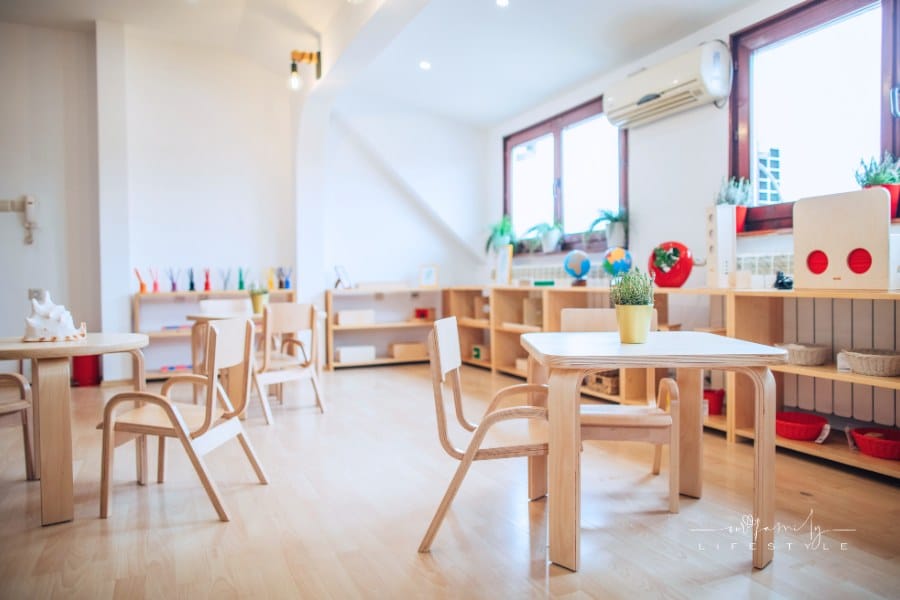
Parents' decision to select a preschool is pivotal, especially with so many educational approaches available.
Each philosophy has a unique way of fostering early development, and finding the right one depends on your child’s personality and your family’s values.
From Montessori to Reggio Emilia, understanding each approach allows you to make an informed choice that supports your child’s growth and enthusiasm for learning.
If you’re unsure which philosophy aligns best with your family, you might want to contact a KLA School in Bellevue for guidance and insights into these options.
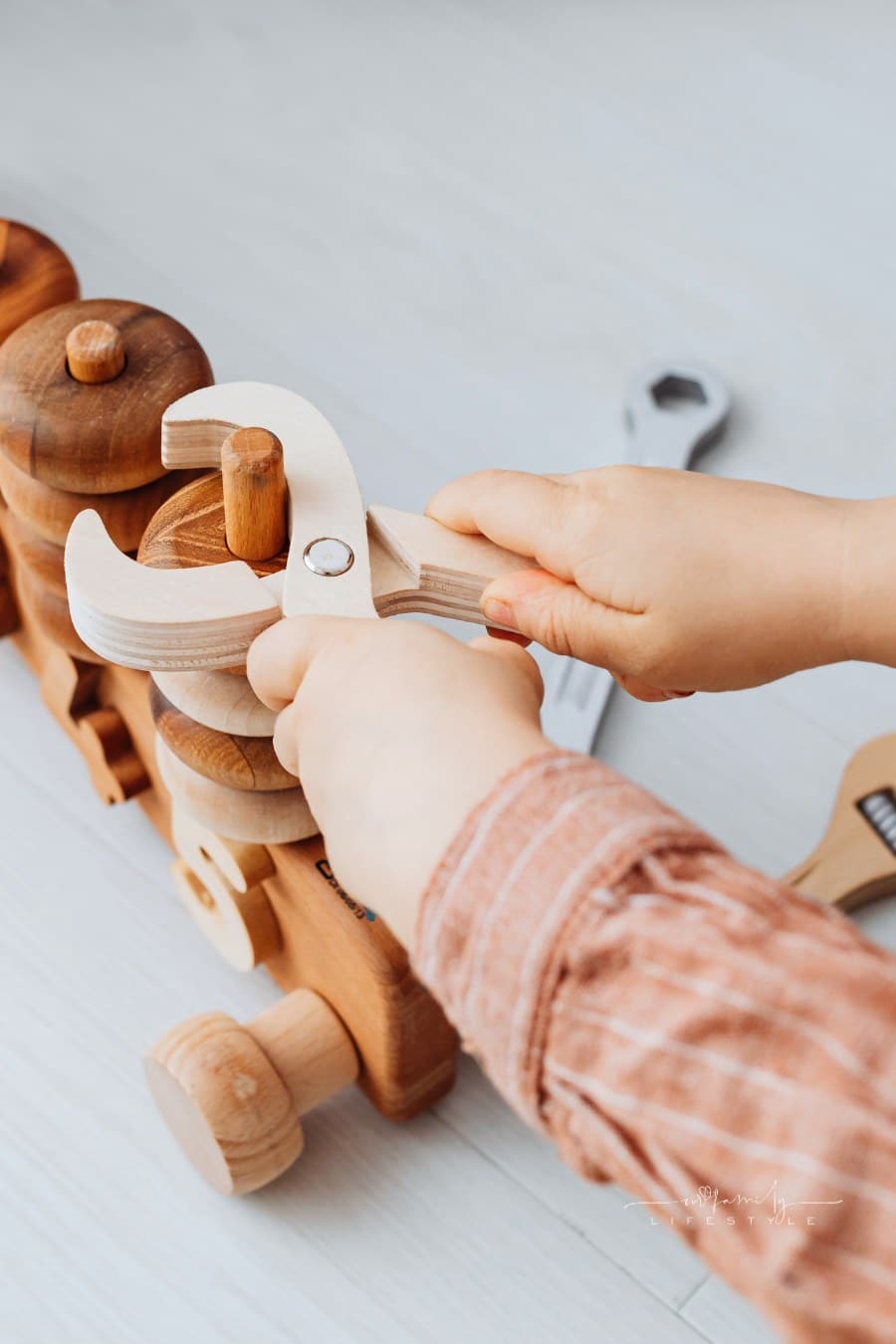
Montessori: Fostering Independence Through Structured Choice
The Montessori philosophy, developed by Dr. Maria Montessori, centers on child-led learning within a prepared environment.
Montessori classrooms are designed to let children explore independently while following a specific curriculum.
Teachers, known as “guides,” encourage children to choose their activities from various workstations, each focusing on fine motor development, math, or language skills.
The curriculum emphasizes order, sensory learning, and respect for others and the environment.
This approach might appeal to parents who value:
- Independence and self-motivation in their child
- A structured learning environment with freedom of choice
- A mixed-age classroom that allows children to learn from one another
Montessori schools can be an excellent fit for children who enjoy hands-on learning and thrive in structured, self-directed settings.
Reggio Emilia: Emphasizing Creativity and Community
Reggio Emilia is a child-centered approach that originated in Italy. It focuses on creativity, exploration, and collaboration.
The philosophy centers on the belief that children have unique ways of expressing themselves and encourages learning through projects and group work.
Teachers in Reggio Emilia schools support children in asking questions and expressing ideas in multiple forms, such as art, storytelling, and drama.
The approach values community involvement and often includes parents and families in the learning experience.
Families may find Reggio Emilia appealing if they value the following:
- Creativity and expression as part of the learning process
- Collaboration and social interaction among children
- Projects that stem from the child’s interests and curiosity
For children who are naturally curious and expressive, Reggio Emilia can offer a nurturing environment that emphasizes discovery and self-expression.
Waldorf: Nurturing Imagination and Rhythm
Waldorf education, founded by Rudolf Steiner, seeks to cultivate imagination, creativity, and a sense of rhythm in children’s lives.
Waldorf preschools emphasize play, storytelling, and outdoor activities, focusing on natural materials and minimal technology.
Daily rhythms and routines are central in Waldorf classrooms, providing children with a predictable environment.
Teachers often encourage imaginative play, artistic activities, and practical life skills rather than traditional academics, especially in the early years.
The Waldorf approach may resonate with parents who prioritize:
- Imaginative play and creative expression
- Limited exposure to screens and technology
- A strong sense of daily rhythm and routine for children
Waldorf schools are suitable for children who enjoy imaginative activities and flourish in environments that emphasize stability and a holistic approach to development.
HighScope: Learning Through Active Participation
The HighScope method is a research-based approach that emphasizes active learning, where children learn by doing.
HighScope classrooms follow a structured daily routine with a "plan-do-review" sequence, in which children choose what they want to do, carry out their plan, and then review it with teachers.
Teachers guide and support children and encourage them to make decisions and reflect on their learning experiences.
HighScope's curriculum also incorporates play-based learning and social development, making it a well-rounded approach for early learners.
HighScope may attract parents who value:
- A structured routine that promotes decision-making and reflection
- Play-based learning combined with social and academic skill-building
- Active teacher involvement in helping children set and achieve goals
Children who benefit from routine and enjoy active learning roles may thrive in a HighScope environment.
Bank Street: Encouraging Learning Through Experience
The Bank Street approach from New York’s Bank Street College of Education emphasizes experiential learning, where children gain knowledge through hands-on experiences.
This progressive philosophy blends social studies, science, and the arts, promoting a holistic view of education.
In a Bank Street classroom, teachers encourage exploration and critical thinking, helping children connect their learning with the world around them.
Social development is also a focus, with children learning to collaborate and understand diverse perspectives.
The Bank Street approach may appeal to families who value:
- Learning through practical, real-world experiences
- Developing critical thinking and social awareness
- A curriculum that encourages creativity and exploration
This philosophy works well for children who enjoy hands-on activities and benefit from a curriculum that links learning to real-life applications.
Choosing the Right Preschool Philosophy for Your Child
With various philosophies, the best way to determine the right one for your child is to observe their personality and learning preferences.
Some children thrive in structured environments with clear routines, while others prefer creative freedom and social collaboration.
As you explore these options, remember that the philosophy should align with your values and adapt to your child’s evolving interests and developmental needs.
Ask Questions and Visit Schools
Once you have a basic understanding of different preschool philosophies, visit schools to see how these philosophies are implemented.
Talking to teachers and observing classrooms can provide a clearer picture of each approach.
Consider asking questions such as:
- How does the school implement its educational philosophy daily?
- What types of activities are children encouraged to participate in?
- How does the school support both social and academic growth?
Answering these questions will help you feel confident in your choice and ensure your child feels supported.
Preschool Choices in Washington State
Choosing a preschool that aligns with your family’s values and supports your child’s development can be a rewarding experience.
Whether you prefer Montessori’s structured independence, Reggio Emilia’s creative expression, or another approach, each philosophy offers distinct benefits to a child’s learning journey.
Making an informed choice now lays a strong foundation for your child’s educational future, providing them with skills and experiences that will benefit them for years.