8 Things to Know Before Buying a Newly Built Home in Florida
Owning a home is everyone’s dream. Some like to buy pre-built homes, while others prefer newly built ones.

Owning a home is everyone’s dream. Some like to buy pre-built homes, while others prefer newly built ones. In Florida, the real estate market is booming, boosting the prospects that more homebuyers will find homes with everything they need.
Decided to invest in a newly constructed home in Florida? Not sure what you must know before starting your search? No need to fret. Here, we’ll discuss some need-to-know things that will inform your home-buying decision.
Let’s go into their details…
1. The "Base Price" Rarely Reflects the Final Price
Model homes are heavily upgraded, and the advertised price usually covers only basic finishes. Options like high-end countertops, appliances, landscaping, and sometimes even lighting fixtures can add thousands to the final cost. So, set a realistic budget for builder upgrades, and remember that extras often require a higher upfront cash deposit.
2. Builders Often Demand Higher Deposits
Unlike buying a resale home, purchasing a new construction home in Florida often requires significant upfront cash deposits to secure the lot and cover customizations. In some instances, such deposits can be substantial and non-refundable, particularly when potential buyers are seeking custom options.
3. Builder Limitations On Warranty
New construction homes in Florida come with a builder’s warranty. However, they’re limited. They typically offer coverage for structural issues for many years. But the materials and workmanship, such as paint, drywall, or carpeting, may be covered for the first year after purchase. Therefore, you need to know exactly what is covered and for how long when buying a new home.
4. Independent Home Inspections Are Necessary
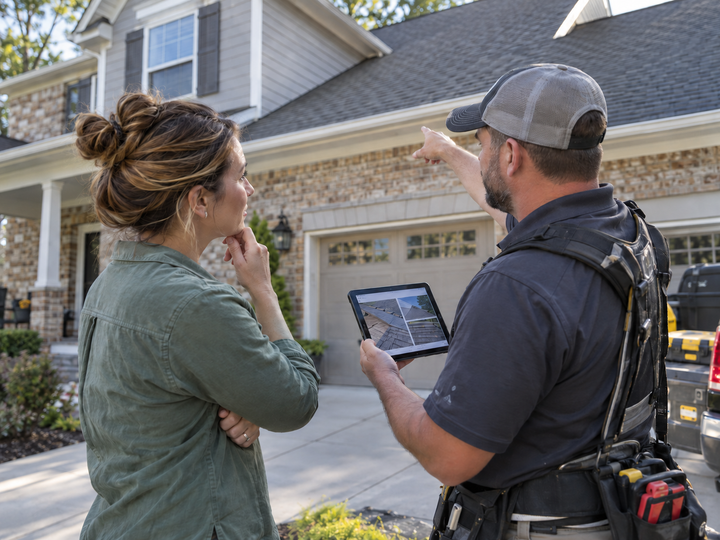
Don’t skip a home inspection just because it’s newly built. Remember, city inspectors only ensure code compliance, not quality. That’s why it’s wise to hire an independent, competent home inspector who will identify construction defects, such as incorrect wiring, poor plumbing, gaps in insulation, or improper roof installation, before you move in.
5. Community Development District (CDD) Fees
Many recent Florida developments have a CDD – a special tax used to fund community infrastructure (including roads, sewer systems, and amenities). In your tax bill, this fee is included. This implies that your property taxes could be higher than in areas without a CDD. In light of this, you should ask for a breakdown of estimated taxes, including CDDs.
6. Flood Zones and Insurance Costs
Don’t sign a contract until you verify the lot’s flood zone classification. The Florida-based insurance market is complex. This is where insurance on new construction in high-risk zones can be expensive. To understand your future premiums, rather than waiting until the last minute before closing, it's essential to request quotes from insurance agents early.
7. Builder Incentives Often Have Conditions Attached
Most home builders provide lucrative incentives, such as paying closing costs, if you leverage their “preferred lender.” This can be a fair deal. However, it’s not always the best rate you have to agree to. Compare their offer with an independent lender – the best way to ensure you’re actually saving money and getting the best value for it.
8. Construction Delays are a Frequent Reality
Like everywhere, Florida’s weather is unpredictable. Hurricanes and excessive rain are common there. Due to weather changes, labor shortages can delay building timelines. Be mindful that a closing date is often just an estimate. Be prepared well for your move-in date. You must be sure that your lease or home-sale contingency can best accommodate such potential changes.
When exploring your options, working with reputable builders such as Dream Finders Homes can help provide additional peace of mind, thanks to their experience, established processes, and commitment to delivering quality new construction homes across Florida.