
Planning a Family Celebration in Hong Kong Without the Waste
Plan a sustainable family celebration in Hong Kong with activity-based experiences, low-waste ideas, scenic venues, and practical travel tips.

Every family celebration ends the same way: a bin bag of decorations that lasts four hours.
Hong Kong makes this easier to avoid than most cities, partly because space is tight enough that nobody stockpiles party supplies, and partly because the alternatives are better. A harbour view does more work than any centerpiece.
Here is how to plan a milestone celebration there without the pile of single-use everything.
Start with the view, not the decorations
The most reliable decoration in Hong Kong is the window.
Victoria Harbour at night does more for a birthday photo than anything you could buy and throw away, and A Symphony of Lights runs nightly at 8pm with free viewing from the Tsim Sha Tsui waterfront and Golden Bauhinia Square.
Booking a room facing it changes the shape of the trip. You stop planning around a venue and start planning around a window.
What to check before booking
The view label is not standardized. Full, partial and side harbour mean whatever each property decides. Ask what a room category faces before paying the difference.
Floor height matters more than star rating. Higher floors clear neighboring buildings. A premium category on a low floor can face a wall.
Connecting rooms sell out first, especially on any date with a school holiday attached.
Properties publishing this detail save you a phone call. A 5 star hotel in Hong Kong that lists room sizes, occupancy, bed configurations, connecting options and accessibility alongside view categories tells you more in two minutes than an hour of enquiry emails.
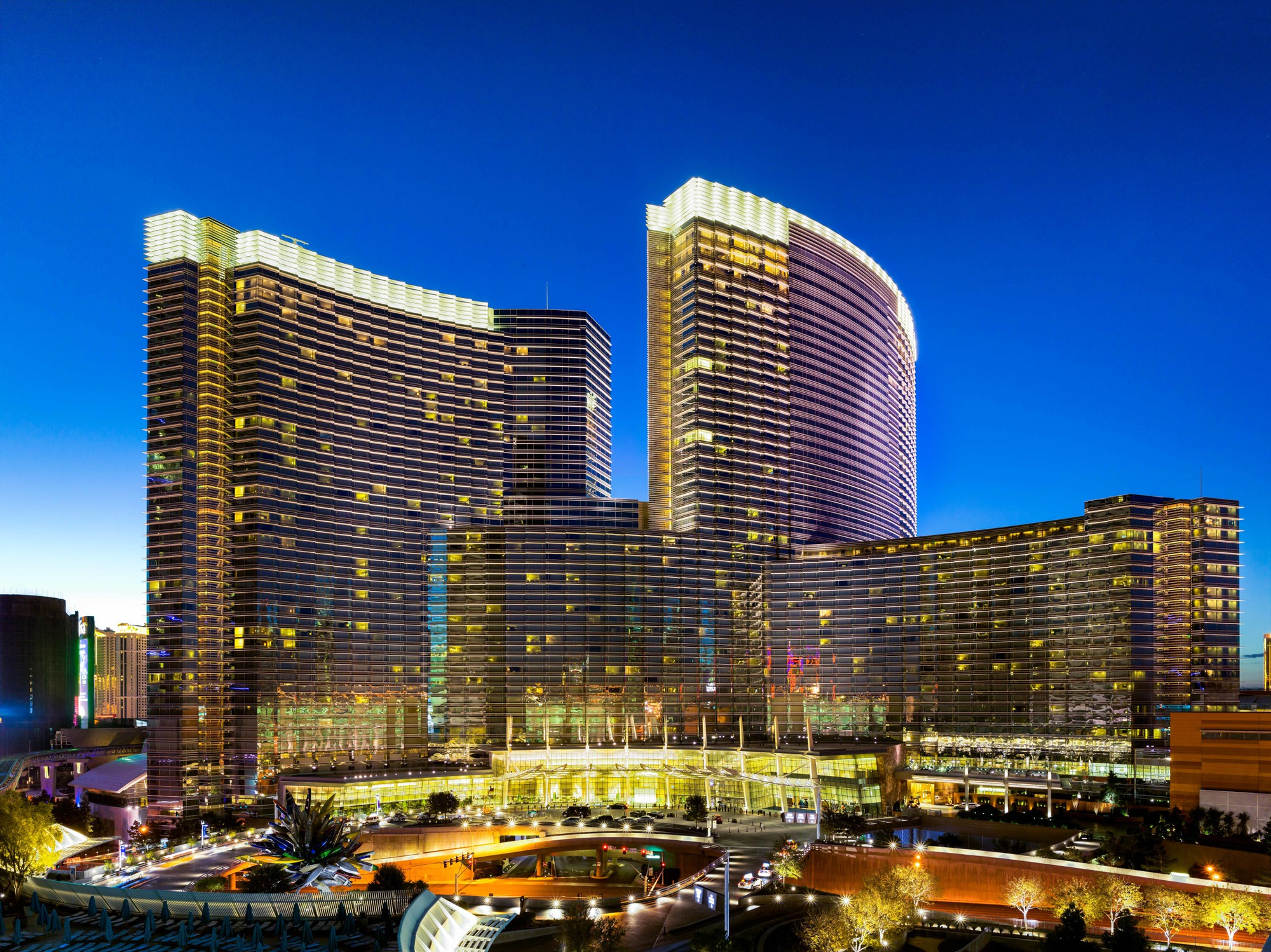
Hopewell Hotel in Wan Chai lists Premium Harbour Rooms on levels 51 to 55 with harbour views and connecting-room options, alongside a 35-square-metre Studio Accessible Room and specialty suites on the 57th floor. Wan Chai also sits near the MTR, the Star Ferry and Golden Bauhinia Square, which means walking back after a light show with tired children.
Rethink what the party actually needs
Here is the thing most party planning gets backwards.
Children remember what they did, not what the room looked like. The decorations are for the photographs, and the photographs are for the adults.
Skip the theme kit. A boxed party set is forty pieces of plastic designed to survive one afternoon.
Buy nothing with the year on it. Age-specific numbers, dated banners, anything unusable next time.
Choose an activity as the centerpiece. If the children spend three hours making something, nobody notices the walls.
Borrow rather than buy anything structural. Tables, chairs, serving dishes and coolers exist in someone's flat already, and Hong Kong building management offices often hold shared stock.
That last point is the whole shift. An activity-based celebration produces something each child takes home instead of something you sweep up, and it changes what parents remember too. A room of decorations gets photographed once. A workshop produces twenty conversations about what everyone made.
It also solves the timing problem. Unstructured parties sag around ninety minutes, when the sugar lands and the games run out. A structured session holds the afternoon without anyone running it.
Activity beats decoration
Hong Kong has an unusual density of hands-on options, partly because apartments are small enough that hosting at home is rarely realistic.
A private workshop format works particularly well for mixed-age groups, because the activity gives everyone something to do rather than leaving the younger ones to be supervised while the older ones talk.
Sketch Studios runs glow-in-the-dark neon art sessions from HK$300 per person with a 20-person minimum, covering a three-hour session with neon body paint and rooftop space where parents can gather separately. Sessions like these are supervised, which is the part most home parties cannot replicate.
One practical note. Sketch Studios does not provide party food, so cake, snacks and drinks are arranged separately. Confirm setup and cleanup windows before you place an outside catering order, because that timing is where these bookings usually go wrong.
Making the food part lower waste
Order from one supplier, not four. Consolidated delivery beats four journeys.
Ask the hotel about cake arrangements. Carrying a cake across Hong Kong in humidity is a plan that fails. Most properties will store and produce it, and asking about cake-cutting fees, refrigeration and candles at booking avoids a surprise.
Skip individual packaging. Platters over lunchboxes, jugs over cartons, one urn over twenty bottles.
Consider longevity noodles. A local birthday custom, easy to add to any meal, and it uses nothing disposable.
Ask about dietary requirements once, early, in writing. Collecting them the week before produces last-minute separate orders, where cost and packaging both multiply.
One Hong Kong-specific point. Under the city's disposable plastic product rules, hotels no longer provide complimentary plastic-bottled water or single-use plastic toiletries. Refillable dispensers are increasingly standard, so a reusable bottle per person is genuinely useful rather than performative.

When the celebration is bigger than a party
Some milestones are not children's parties. A significant anniversary, a reunion pulling relatives from three countries, a family business gathering.
At that scale the waste question changes shape, because the biggest item stops being tableware and becomes staging. Printed backdrops, physical props, signage with a date on it, all built for one evening.
This is where a sustainable event management agency earns its cost rather than adding to it.
BAM WORKS, operating across Hong Kong, Shanghai and Taiwan, puts it plainly: LED screens can be reprogrammed, redesigned and redeployed across multiple events, where a printed backdrop becomes waste the moment the event ends. They also handle virtual and hybrid formats.
That last point is underrated. A hybrid element is not only a sustainability decision. It is how the grandmother who cannot fly still sees the speeches.
What to ask any event supplier
What happens to the staging afterwards? Reused, stored or binned.
Can any of it be digital? Signage, seating plans, menus and photo displays all work on screen.
What is the minimum physical build? Most events over-build because nobody asks.
Getting around without the extra journeys
Transport is where family trips quietly accumulate both cost and emissions.
Octopus cards cover most local transport, with a Child Octopus taking a refundable HK$50 deposit for ages 3 to 11.
The MTR Tourist Day Pass is listed at HK$75 for adults and HK$35 for children, covering 24 consecutive hours from first entry, though not every rail service.
The Star Ferry is the cheapest sightseeing in the city and doubles as a celebration activity.
Staying central reduces journeys more than any other choice.
A planning order that works
- Book accommodation first, requesting connecting rooms or accessibility features at booking rather than after.
- Choose the activity next, since the good ones book two to four weeks ahead.
- Arrange food through the fewest suppliers possible.
- Decide what genuinely needs to be physical. Let the rest be digital or borrowed.
- Sort transport on arrival, comparing fares against a day pass based on your actual plans.
The part that actually lasts
Nobody remembers the tablecloth.
What survives is the photograph against a window at eight in the evening, the thing a child made and carried home, and everyone being in the same room. None of it requires a disposable item.
The best traditions are the repeatable ones, and a celebration built around a view, an activity and a shared meal repeats far more easily than one built around a themed kit that worked for exactly one birthday.
The same applies to getting there. Responsible travel planning treats the lower-waste choice and the lower-stress one as the same decision, which is usually true. Fewer journeys, fewer suppliers, fewer things to carry home.
Plan for the memory rather than the photograph, and the waste problem mostly solves itself.


