
Japan Travel Packages: How to Choose the Right One for Your Family
Compare Japan travel packages for families, learn when to visit, what to book early, rail travel tips, and how to choose the best itinerary.

Japan sits near the top of many family travel wish lists. With visitor numbers at record levels, popular attractions, trains, and family rooms can book up well before peak travel dates.
Planning a family vacation in Japan does not have to be complicated. Start by deciding when to go, how much of the trip you want someone else to arrange, and which reservations you need to make before leaving home.
Pick your travel window
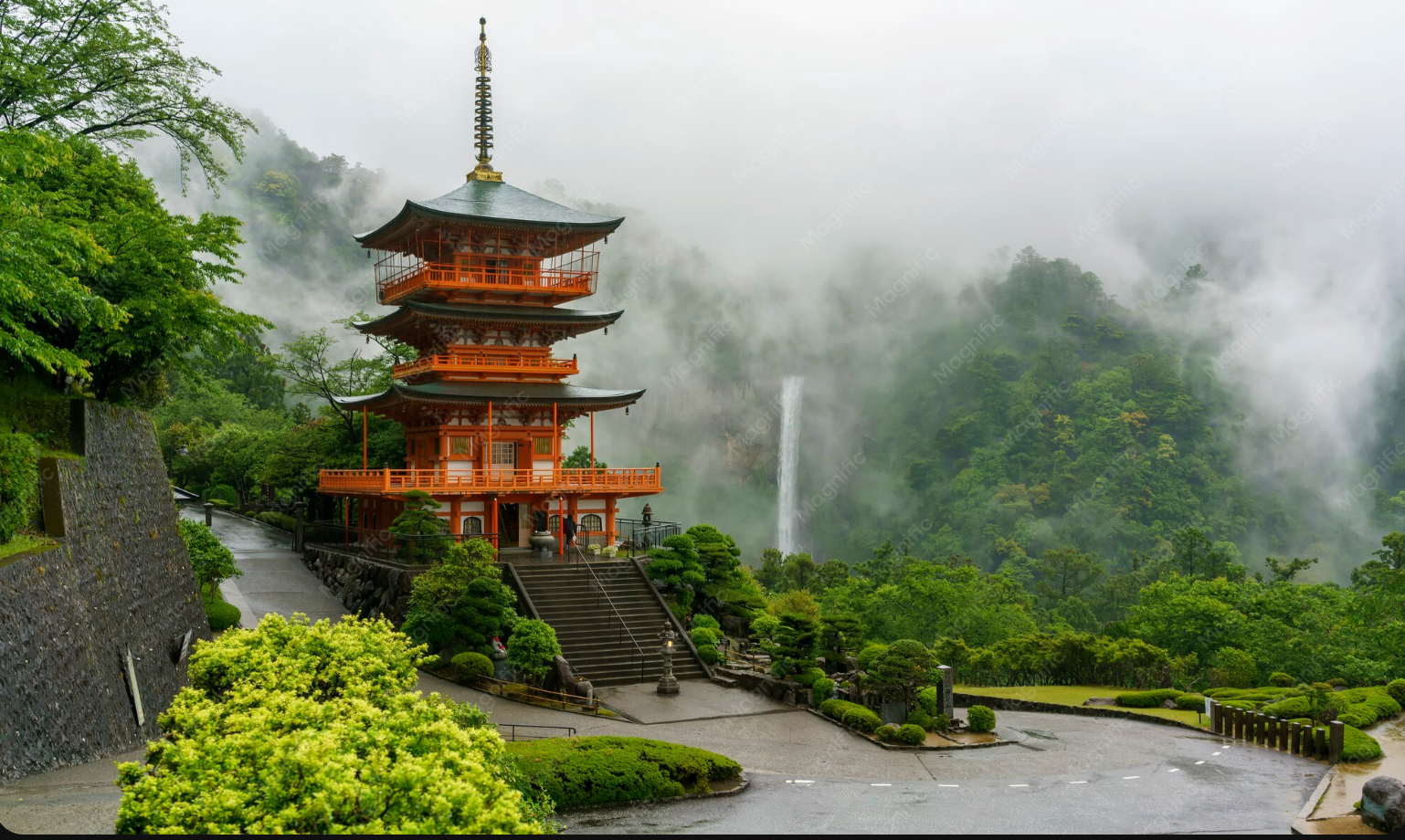
Japan's rainy season, known as tsuyu or baiu, typically runs from early June through July across much of the country, although timing varies by region and Hokkaido is generally less affected. Rain does not have to disrupt a trip, but it helps to have indoor alternatives.
Cherry blossoms generally appear in Tokyo and Kyoto in late March or early April. Fall color usually arrives from mid-November into early December. Both periods offer pleasant conditions, but they also bring larger crowds and higher accommodation demand.
Golden Week, from late April into the first days of May, is one of Japan's busiest domestic travel periods. If your dates are tied to a school calendar, reserve accommodation and longer train journeys as early as possible.
Choose a package or plan it yourself
Most families choose one of three approaches.
- Small-group family tour. The operator handles most logistics, and the pace is often designed with children in mind. However, there is less room for spontaneous changes or slow mornings.
- Tailor-made itinerary. An agent can arrange family rooms, transfers, rail tickets, and activities while giving you some control over each day. This option generally costs more than booking independently.
- Do-it-yourself trip. Independent booking offers the most flexibility and control over costs. It also leaves you responsible for every reservation, connection, and backup plan.
Before paying for a package, confirm the following details:
- Family rooms or adjoining rooms are confirmed in writing
- The schedule includes regular downtime or a rest day
- Luggage forwarding is available between cities
- Airport and station transfers cover the necessary journeys
- Children can participate in the listed activities
- The operator assists with time-sensitive attraction tickets
Know what to reserve early
- Ghibli Museum. Admission requires an advance reservation, and tickets are not sold at the museum.
- Ghibli Park. International tickets are usually released in scheduled batches. Check the official calendar because release dates and entry rules may change.
- Tokyo Disney Resort. Buy park admission before your visit and review the resort app in advance. Popular paid access options may sell out during busy periods.
- Universal Studios Japan. Confirm admission and any timed-entry requirements before arrival. The Child Switch system can help when a child is unable to join a particular ride.
Plan rail travel with children
Rail fares depend on a child's age. Children ages 6 to 11 generally qualify for child fares, while travelers 12 and older usually pay adult fares. Younger children may travel free under certain conditions, so check the rules for your route and seating needs.
Luggage rules also matter. On the Tokaido, Sanyo, and Kyushu Shinkansen, baggage measuring more than 160 cm across its three dimensions requires a seat reservation with access to an oversized baggage area. Passengers who board with oversized luggage without the correct reservation may be charged a 1,000 yen fee.
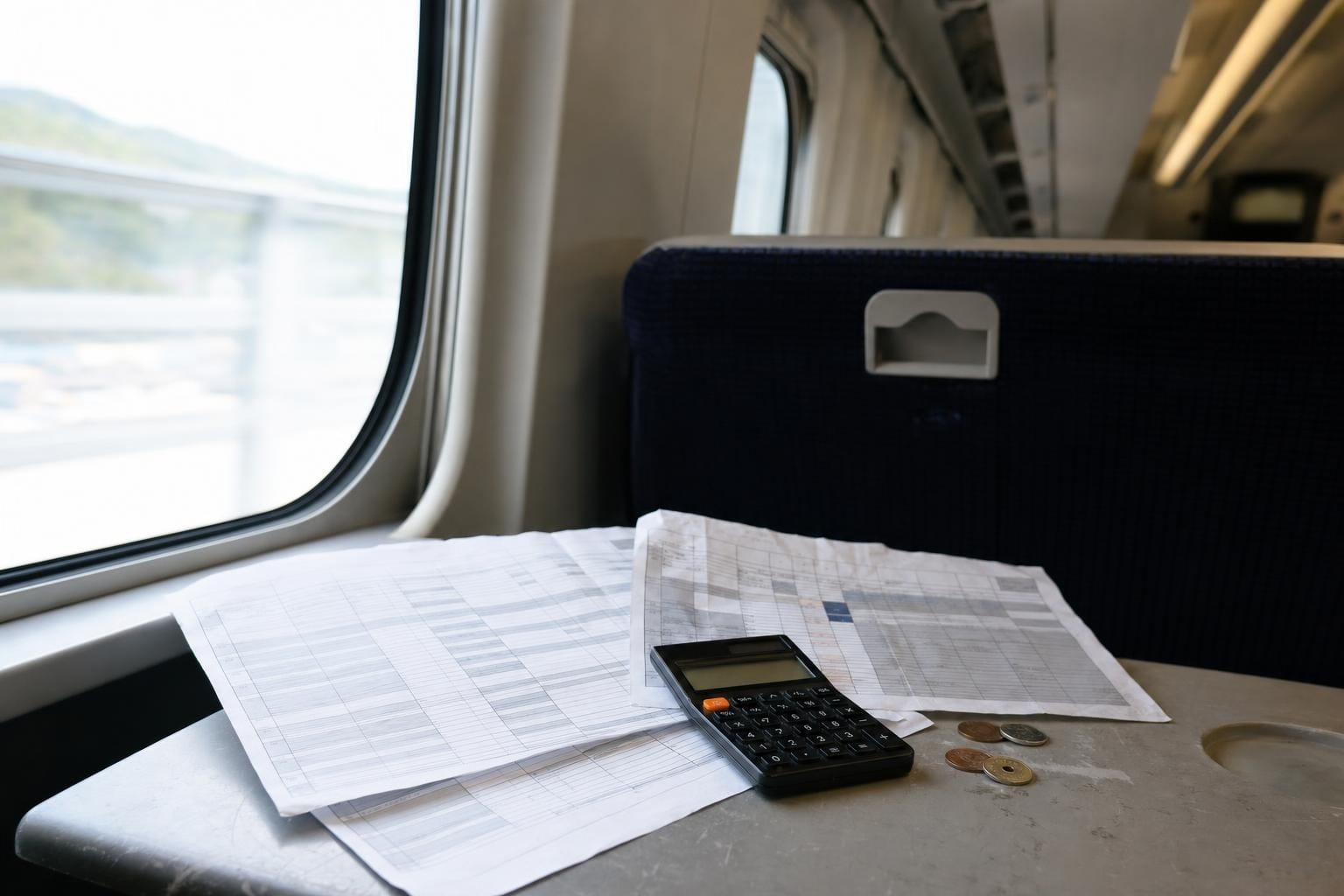
Rail pass prices and eligibility rules can change, so compare the current pass price with the cost of individual tickets for your exact route. A nationwide pass is not automatically the cheapest choice, especially for trips focused on Tokyo, Kyoto, and one or two nearby destinations. Local subway or regional passes may offer better value on city-heavy days.
Compare the real cost of a package
Package inclusions often cover some combination of rail tickets, guides, transfers, accommodation, and selected activities. The final cost depends on the season, room type, flight prices, and any optional experiences you add.
Ask which meals are included, whether transfers cover every part of the route, and how children's prices are calculated. Two packages with similar advertised prices can differ significantly once you compare room arrangements, transport, and admission fees.
Travelers booking from Australia can review Japan travel packages from Spencer Leisure Travel as one example of how routes, seasons, and inclusions may be bundled. Treat sample prices and dates as estimates rather than guarantees, and confirm the details that apply to your family before booking.
Set a realistic pace for 8 to 10 days
A common itinerary includes three or four nights in Tokyo, one or two nights in Hakone, and three or four nights in Kyoto, with a day trip to Nara or Osaka.
Whatever route you choose, plan one main activity each day and leave room for meals, transport, and rest. An open afternoon can be more useful than another timed reservation, particularly after a long train journey.
Check the details before booking
A family-paced plan is usually more enjoyable than an overfilled itinerary. One main activity, a flexible second option, and regular downtime can help prevent tired children and rushed meals.
Reserve the hardest-to-get tickets first, confirm current rail and entry rules on official websites, and compare operators such as Spencer Leisure Travel with the cost and effort of booking independently. The right choice is the one that gives your family enough structure without making every day feel scheduled. For more itinerary ideas, see places to visit in Japan.


