

Spinal cord injuries (SCIs) are some of the most life-altering injuries an athlete can experience, often resulting in long-term or permanent changes in mobility, sensation, and quality of life.
While no athlete ever sets out expecting an SCI, certain sports pose higher risks due to their physical nature, speed, and intensity.
If you sustain a spinal cord injury from negligence in a sport, you may need to hire an Oklahoma City spinal cord injury lawyer to recover compensation.
Football
Football is one of the most common sports associated with SCIs due to the frequent high-impact collisions.
The aggressive tackling and blocking, especially in certain positions like linemen and linebackers, place significant strain on the neck and spine.
Despite modern advancements in protective gear, such as helmets and neck pads, players still face a high risk of spinal injuries from head-to-head or head-to-ground impacts.
Rugby
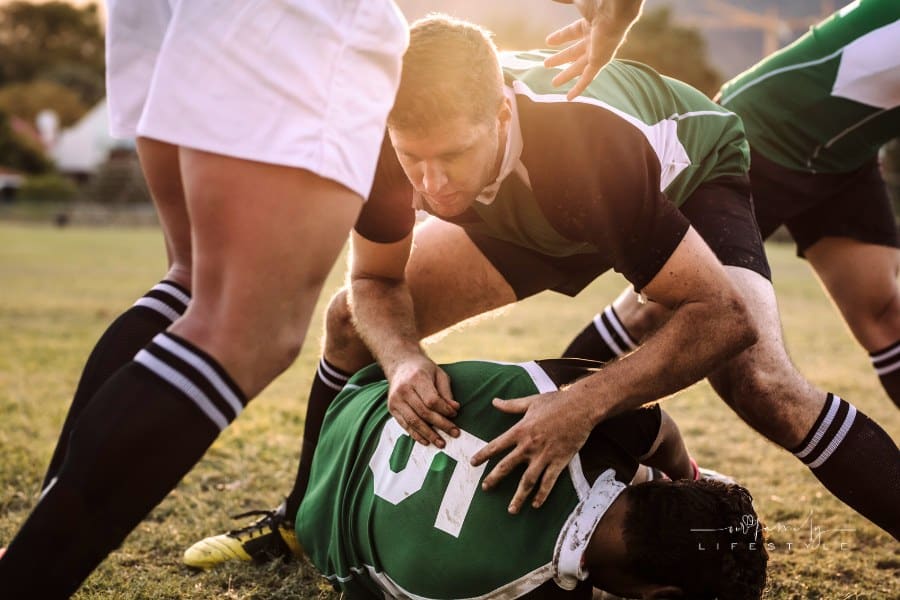
Rugby’s full-contact nature and lack of protective padding make it one of the riskiest sports for spinal injuries.
Tackling and scrums put players at risk, as they’re often hit with force while in awkward positions.
Neck and spinal injuries are prevalent in “rucks” (when players are clearing opponents off the ball on the ground) and scrums.
Gymnastics
Gymnastics might seem an unlikely sport for spinal cord injuries at first glance, but its intense demands on flexibility, strength, and coordination come with serious risks.
Tumbling, flipping, and dismounting from bars, beams, or rings often involve rapid neck and spinal extension.
When stunts don’t go as planned, falls from considerable heights or landings at awkward angles can result in severe spinal injuries.
Diving
Diving injuries typically occur when divers misjudge the water’s depth or when the entry angle is incorrect, leading to a head-first impact with the pool’s floor or sides.
The force exerted on the neck and spine in these scenarios can be devastating, leading to fractures, dislocations, and SCIs. Shallow-water diving, in particular, has a high incidence of cervical spine injuries.
Ice Hockey
combines speed, hard impacts, and an unforgiving surface. High-speed collisions with other players, boards, or the ice itself frequently result in injuries, including SCIs.
When players are checked from behind or fall at high speeds, their heads and necks are especially vulnerable to hyperextension or compression injuries.
Cheerleading
Competitive cheerleading has grown increasingly intense and now involves complex stunts and acrobatics.
Falling from pyramids or miscalculated stunts can result in severe injuries, including SCIs. Bases, the athletes who catch or lift flyers, are also at risk if they sustain a fall from the top.
Skiing and Snowboarding
Downhind snowboarding involve high speeds, sharp turns, and the ever-present risk of falls or collisions.
When skiers or snowboarders fall or hit trees, rocks, or other obstacles, the force on their bodies, especially the neck and spine, can result in serious injuries.
Head injuries combined with spinal damage are common in these sports, with snowboarding injuries slightly more prevalent among younger athletes.
Equestrian Sports
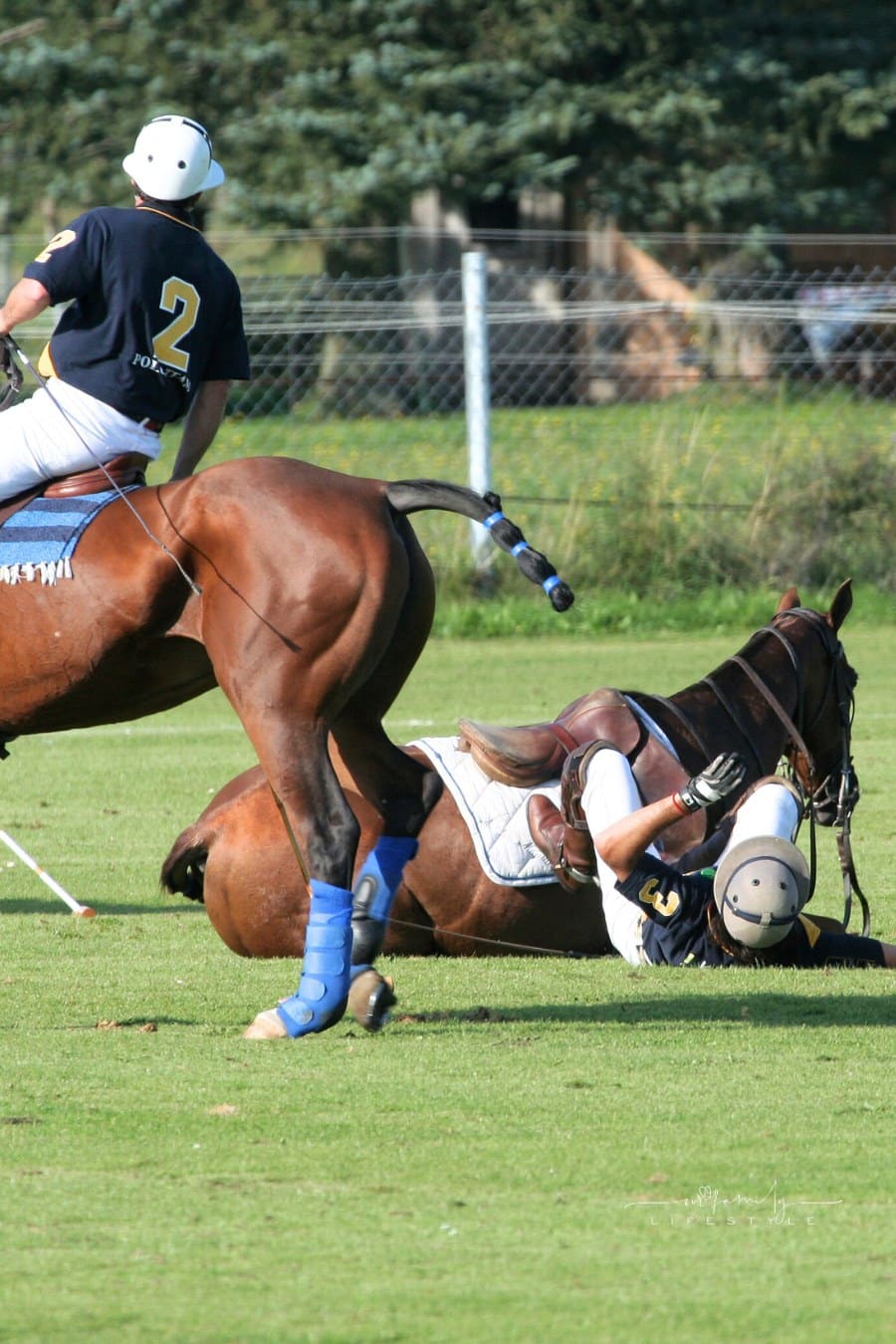
Horseback riding can be risky due to the height and unpredictability of animals weighing up to a thousand pounds.
Riders who fall or are thrown face significant risks of spinal injuries, especially if the horse falls on top of them.
Additionally, jockeys and eventing riders encounter more risks given the speed and obstacles involved in competitive riding.
Preventing Spinal Cord Injuries Caused by Sports
While the risks are inherent, protective gear and training can help minimize SCIs across these sports:
- Proper Training: Learning safe tackling, diving, and riding techniques can prevent incorrect movement or impact.
- Quality Protective Gear: Helmets, neck braces, and other sport-specific protective equipment can reduce the risk of SCIs.
- Strengthening Exercises: Conditioning core and neck muscles can offer added stability and protection.
- Professional Supervision: Coaches and trainers trained in spinal injury prevention can guide safer play.