

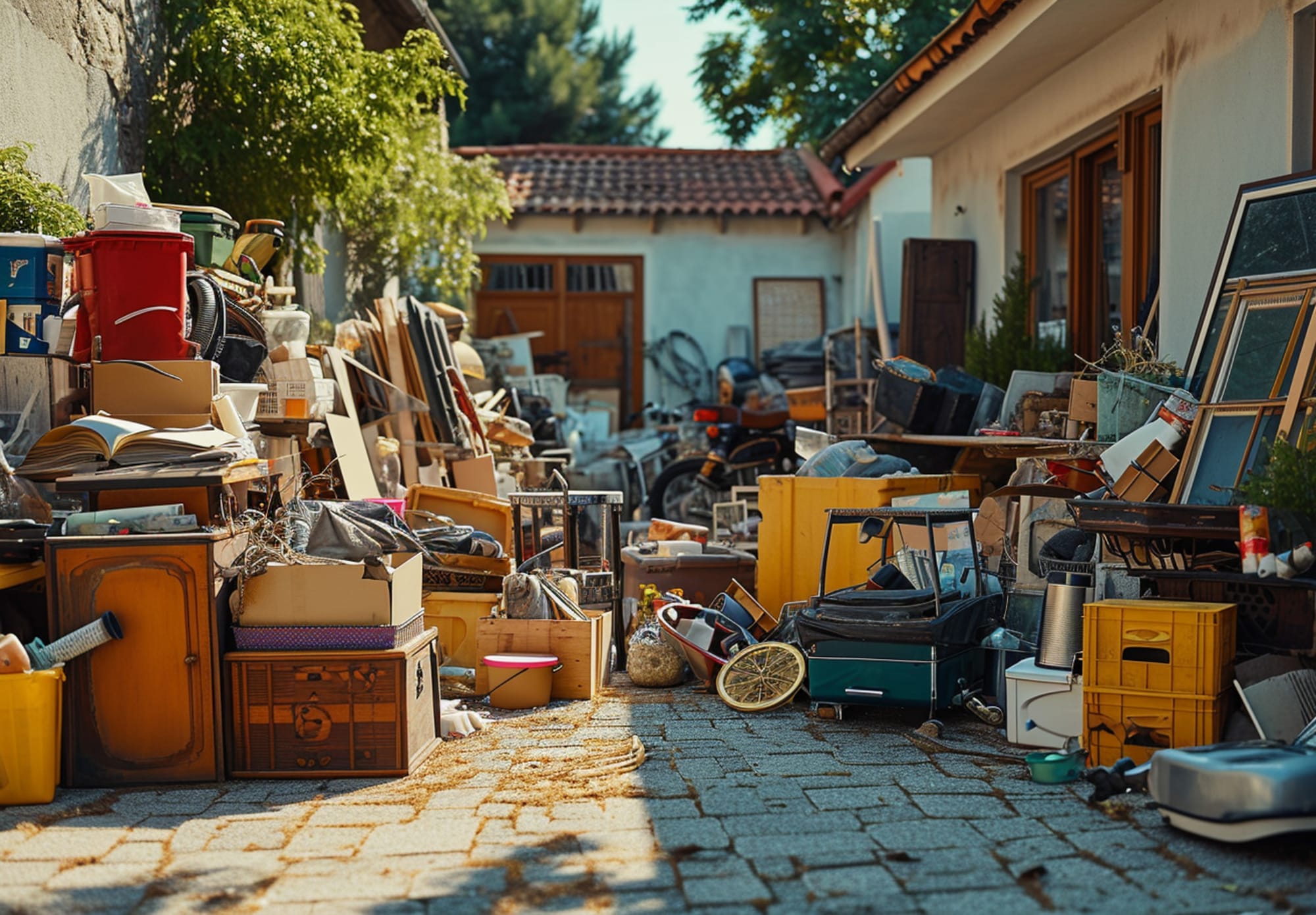
The house doesn’t shrink overnight, but it feels like it when you trip over shoes in the hallway. Backpacks and boxes pile up fast. Families move not for luxury, but for space.
In Ann Arbor, MI, that tension is familiar. Many homes are older, with modest closets and limited garage space. Basements help, but they fill quickly with seasonal gear, baby items, and boxes that were meant to be temporary. As families grow, so do the piles of belongings, bikes, strollers, holiday decorations, and college move-in supplies. The challenge isn’t just square footage. It’s finding practical storage solutions that don’t require a full renovation.
Rethinking Space Before Adding More
Before renting extra space, study what’s already there. Most homes waste room without realizing it. Closets stop too low. Shelves leave gaps near the ceiling. Corners sit unused. A few small upgrades, like higher shelves, sliding bins under beds, and wall racks in the garage, can open space that was hiding in plain sight.
Clutter also crowds the mind. When counters and entryways stay packed, rooms feel tight even if they aren’t. Moving everyday items into bins or cabinets won’t win design awards, but it makes a home easier to live in.
When Off-Site Storage Makes Sense
There comes a point, though, when reorganizing isn’t enough. Seasonal items pile up. Kids outgrow furniture that still has life left in it. A parent starts working from home and needs a quiet room, not a storage closet disguised as an office.
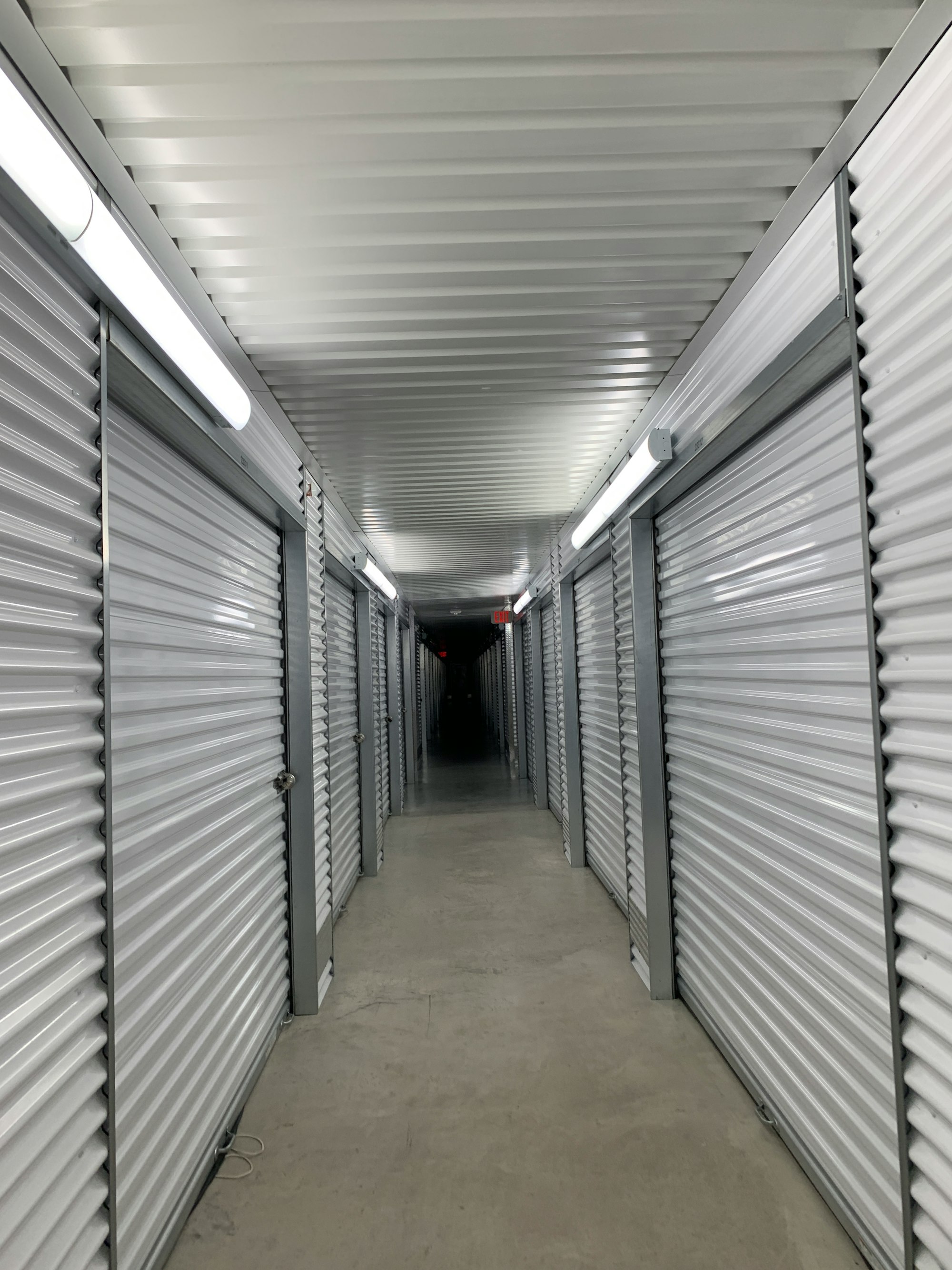
That’s when outside storage becomes less of a luxury and more of a practical tool. Not for everything. Just for the items that aren’t needed daily but shouldn’t be discarded. Think holiday decorations, off-season clothing, keepsake boxes, and equipment that rotates through the year.
For families struggling with storage Ann Arbor MI, has numerous reliable storage facilities that they can turn to. These facilities can provide breathing room without forcing a larger move. The idea isn’t to push belongings out of sight forever. It’s to manage space in a way that fits current needs.
Creating Zones That Work
Inside the home, storage works best when each area has a clear purpose. Entryways should handle daily traffic. Hooks for backpacks. A small bench with hidden storage for shoes. A tray for keys. When these basics are missing, clutter spreads fast.
In living areas, closed storage tends to work better for families than open shelving. Open shelves look clean in staged photos. In real life, they collect toys, mail, and random chargers. Cabinets with doors offer forgiveness. They allow rooms to look tidy even on rushed days.
Bedrooms benefit from rotation. Instead of cramming every season into one closet, store what’s currently worn and move the rest elsewhere. It reduces decision fatigue in the morning. It also keeps closets from becoming packed so tightly that nothing can be found.
Planning for Growth, Not Just Today
Storage solutions should anticipate change. Children grow. Hobbies shift. Work situations evolve. A nursery becomes a homework zone, then a teenager’s retreat. Furniture that serves one purpose now may need to serve another later.
Modular storage helps. Adjustable shelving systems can be reconfigured as needs change. Stackable bins can be relabeled instead of replaced. Even labeling itself matters more than people think. When boxes are clearly marked, time isn’t wasted opening each one to check what’s inside.
It’s also worth thinking about long-term keepsakes. Many families hold onto baby clothes, artwork, and school projects. These items carry emotional weight, and they deserve thoughtful storage. Acid-free bins and simple organization systems protect them without taking over living space.
The Garage
Garages often become overflow zones. Tools, sports gear, old paint cans, broken chairs waiting to be fixed someday. The problem isn’t the size. It’s the lack of structure.
Start by clearing the floor. Install wall-mounted shelves or pegboards to keep tools visible but contained. Overhead racks can store rarely used bins. Clear containers help identify contents quickly, which reduces the habit of buying duplicates because something couldn’t be found.
Still, not everything belongs in the garage long term. Temperature swings can damage certain items. Important documents, electronics, and delicate materials are better stored in controlled environments. Recognizing those limits prevents future regret.
Digital Clutter Counts Too
Modern families deal with more than physical clutter. Paperwork, files, and photos pile up digitally. While this article focuses on physical storage, the same principles apply.
Back up important files. Create folders with clear names. Delete what’s no longer needed. When digital spaces are organized, the mental load decreases slightly. It’s not dramatic. But it adds up.
Many parents now manage school portals, work emails, and online shopping accounts simultaneously. Reducing digital chaos supports physical organization because both affect how calm a home feels.
Letting Go Without Regret
Storage isn’t only about keeping things. It’s also about deciding what no longer serves the household. That decision can be uncomfortable. Items carry memories, and it’s easier to store them than to sort through them.
A simple rule helps: if it hasn’t been used in a year and has no clear purpose, reconsider its place. This doesn’t apply to heirlooms or seasonal gear. It applies to the extra kitchen gadget, the third set of sheets, the box of cords from devices long gone.
Donating usable items can feel better than discarding them. It creates space without waste. It also helps others, which softens the act of letting go.
Building Habits That Prevent Overflow
The most effective storage system fails if habits don’t support it. Mail needs a landing spot. Shoes need a consistent home. Kids benefit from simple cleanup routines that are realistic for their age.
Small resets each week prevent larger cleanouts later. Ten minutes on a Sunday evening to clear surfaces and return items to their zones makes a difference. It’s not a dramatic overhaul. It’s maintenance.
Growing families rarely have static needs. Space pressures shift with each new stage. Smart storage solutions don’t eliminate that reality. They make it manageable. By using space wisely inside the home, and thoughtfully outside when necessary, families can create breathing room without constant expansion. The house may not grow, but the way it functions can.