

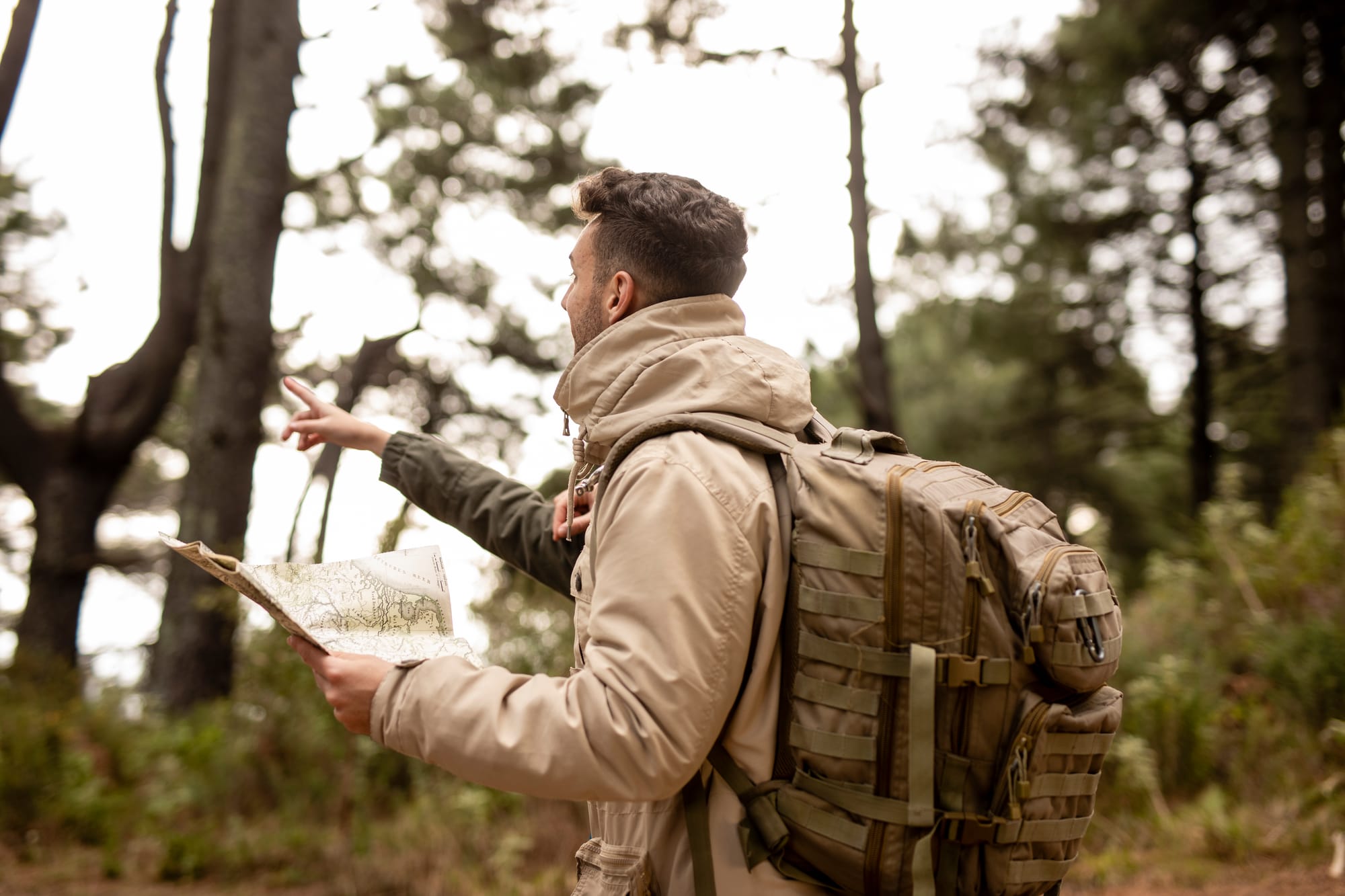
Family trips require coordination, preparation, and practical planning. Poor planning leads to unnecessary stress, forgotten essentials, and inefficient travel. Structured preparation improves safety, comfort, and time management during outings. Whether planning day trips, hikes, or multi-day travel, families benefit from organized packing, clear activity goals, and simple documentation methods that preserve memories.
Smart planning focuses on logistics, equipment, and documentation. Each step improves the overall experience while reducing common travel disruptions.
Organize Gear Before Leaving
Preparation begins with proper equipment organization. Families often carry food, water, clothing layers, and safety items during outings. Without structured packing, essential items become difficult to access during travel.
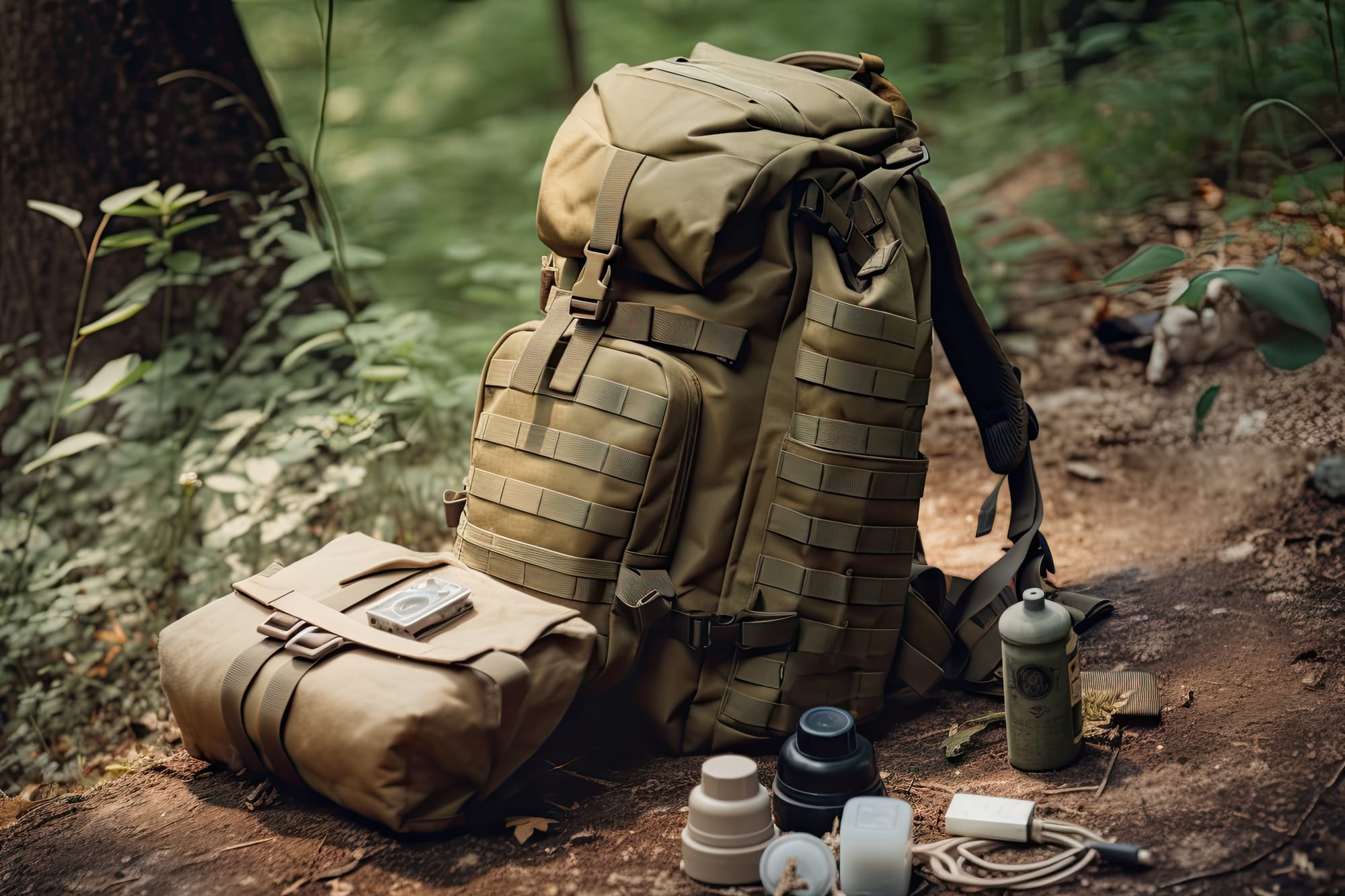
Many travelers rely on durable carrying systems such as tactical backpacks. These bags are designed with multiple compartments that help organize gear efficiently.
Structured storage allows families to separate items by function. Hydration supplies, first-aid kits, navigation tools, and electronics can be stored in different sections.
Efficient packing improves mobility and reduces time spent searching for items. When gear remains organized, families can respond quickly to changing weather or activity needs.
Well-designed backpacks also distribute weight across the shoulders and back. This improves comfort during longer walks or outdoor activities.
Create a Simple Trip Plan
Family adventures benefit from basic itinerary planning. Even short outings should include defined activity goals and estimated timeframes.
Planning reduces uncertainty and helps families avoid overcrowded attractions or unexpected delays.
A simple trip plan typically includes:
- Primary destination and backup locations
- Estimated travel time
- Planned activity duration
- Meal or rest break schedules
Families should also review local weather forecasts and park guidelines before departure.
Clear plans help everyone understand expectations for the day.
This structure prevents rushed decisions and improves overall efficiency during travel.
Prepare Essential Safety Supplies
Safety preparation should always accompany outdoor travel. Even casual outings can involve unpredictable conditions.
Families should carry a compact safety kit containing basic emergency supplies.
Essential safety items include:
- First aid supplies
- Portable phone chargers
- Emergency contact information
- Navigation tools such as maps or GPS apps
Parents should also review meeting points in case family members become separated.
Prepared families respond more effectively to unexpected situations.
Safety planning improves confidence during exploration activities.
Pack Efficient Food and Hydration
Food planning is another key component of family adventure preparation. Long outings often require multiple snacks and hydration supplies.
Water should be prioritized, particularly during outdoor activities or warm weather travel.
Families often pack:
- Reusable water bottles or hydration packs
- Energy-dense snacks such as nuts or granola bars
- Portable fruit or vegetables
- Lightweight containers for packed meals
Proper nutrition prevents fatigue and helps maintain energy levels throughout the day.
Packing reusable containers also reduces waste during travel.
Personalize Equipment for Easy Identification
When multiple family members carry similar gear, identification becomes important. Personalized equipment helps prevent confusion and lost belongings.
Some families add visual identifiers to their bags and equipment.
For example, patches or embroidered tags can distinguish different backpacks or travel kits. Many outdoor enthusiasts use custom patches for backpacks to mark gear with family names, travel themes, or unique designs.
Clear identification helps children recognize their belongings quickly.
Personalization also adds a creative element to travel preparation.
Distinct gear markings make it easier to track equipment during group activities.
Capture Moments During the Adventure
Family adventures often produce meaningful memories that are easy to overlook during busy travel days. Structured documentation helps preserve these experiences.
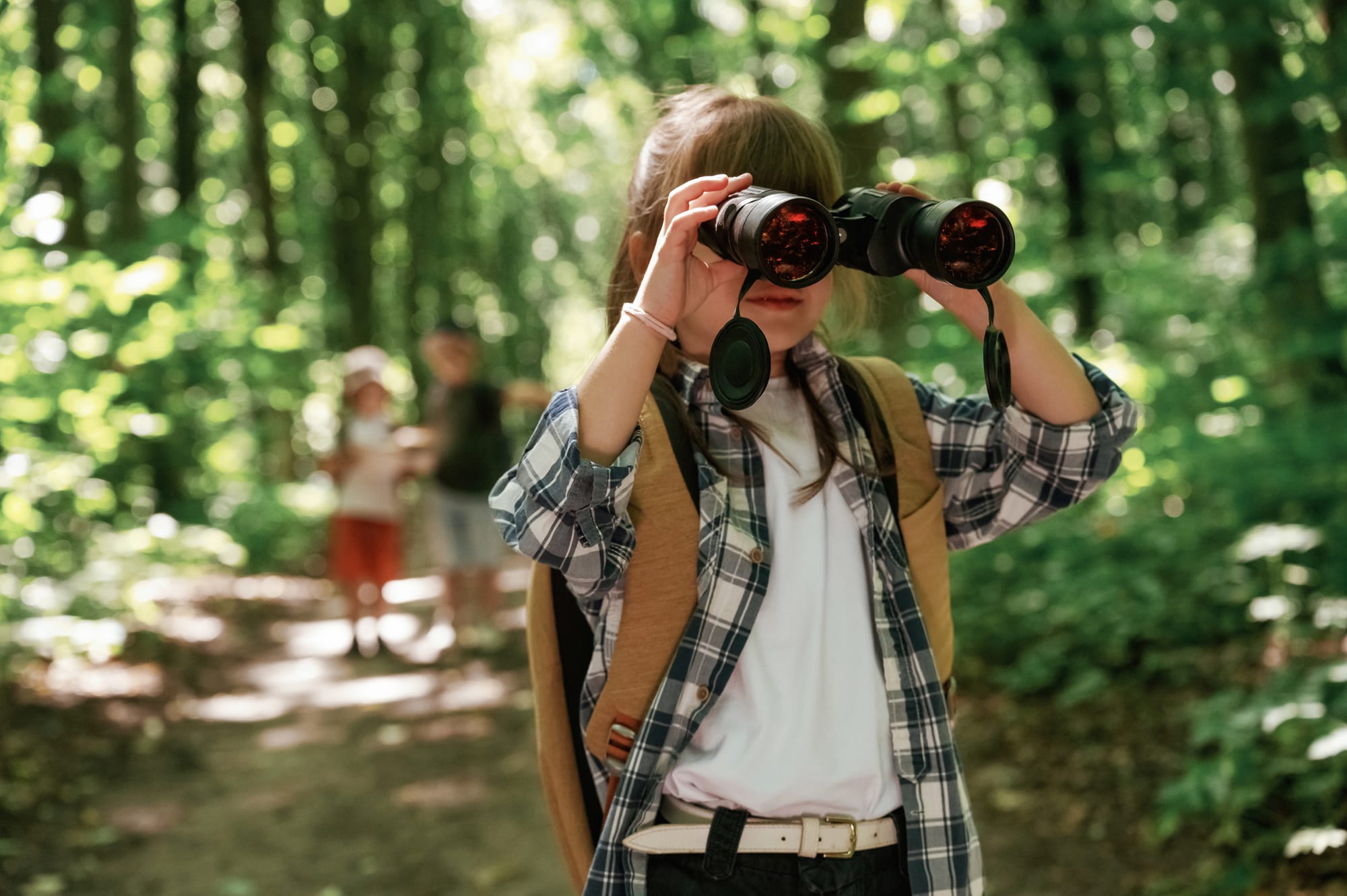
Photography remains the most practical documentation method.
Families should capture several types of images during trips:
- Wide photos showing landscapes or destinations
- Activity photos during hikes or sightseeing
- Small details such as local food or wildlife
These images help create a visual record of each outing.
Short notes about the day can also provide useful context for future reflection.
Recording small observations improves the storytelling value of travel memories.
Organize Memories After the Trip
Many people capture photos but never organize them. Proper organization allows families to revisit their experiences more easily.
Photos should be sorted shortly after returning home.
A structured organization system may include folders labeled by location or date.
Some families compile their travel photos into curated collections such as personalized photo books. These books allow travelers to arrange images chronologically and add captions describing each experience.
Printed collections preserve memories in a format that remains accessible long-term.
Photo books also encourage family members to revisit and share past adventures.
Teach Children Basic Travel Responsibility
Family trips provide opportunities to teach children practical skills. When children participate in planning and packing, they learn responsibility and situational awareness.
Parents can assign simple tasks such as:
- Packing personal water bottles
- Carrying small daypacks
- Tracking scheduled activity times
These responsibilities help children develop travel awareness.
They also reduce the workload for parents during trips.
Involving children in preparation improves engagement and encourages curiosity about the environment.
Evaluate and Improve Future Trips
Post-trip evaluation helps families improve future adventures. Small adjustments can make later outings more efficient and enjoyable.
Families should review factors such as:
- Travel time accuracy
- Equipment usefulness
- Food and hydration planning
- Activity pacing
Identifying what worked well and what did not helps refine planning strategies.
Over time, this process leads to smoother and more enjoyable travel experiences.
Planning family adventures requires organization, preparation, and thoughtful documentation. Efficient gear storage, safety planning, clear itineraries, and proper nutrition all contribute to successful outings. Personalizing equipment helps families manage gear easily, while photography and organized records preserve memories long after the trip ends. Families that approach travel with structured preparation create safer, more efficient, and more memorable experiences together.