
Your forever home is the place you plan to stay for the long haul.
It's where comfort meets function and where long-term planning beats quick fixes.
When you know you’re putting down roots, every change you make should improve how the home feels and works for years to come.
Many homeowners focus on making their space look nice, but smart investments go beyond that.
The real value lies in upgrades that boost efficiency, add durability, and support your daily routine.
Whether you’re updating a space that’s a bit outdated or planning future-proof features, the right improvements can make your home more livable over time.
The good news? You don’t need to overhaul everything at once. Start with the areas that matter most.
Focus on changes that hold up well and give you peace of mind. In this guide, you’ll find upgrades worth considering when building a home meant to last.
Start with the Exterior
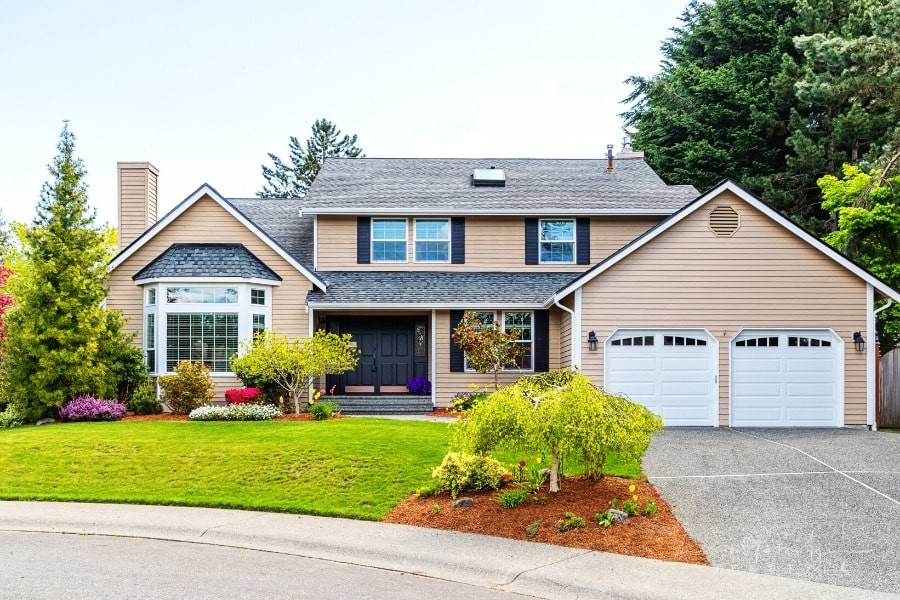
Before you think about indoor improvements, take a walk around your home. The exterior is more than looks—it protects everything inside.
A strong, updated outer shell makes your home feel secure and helps cut down on long-term repair costs.
Look at your siding, windows, and roof. These features face the elements every day. Over time, they wear down.
Cracks, peeling paint, or moisture damage are clear signs that an upgrade might be needed.
Addressing these early can save you from bigger problems down the road.
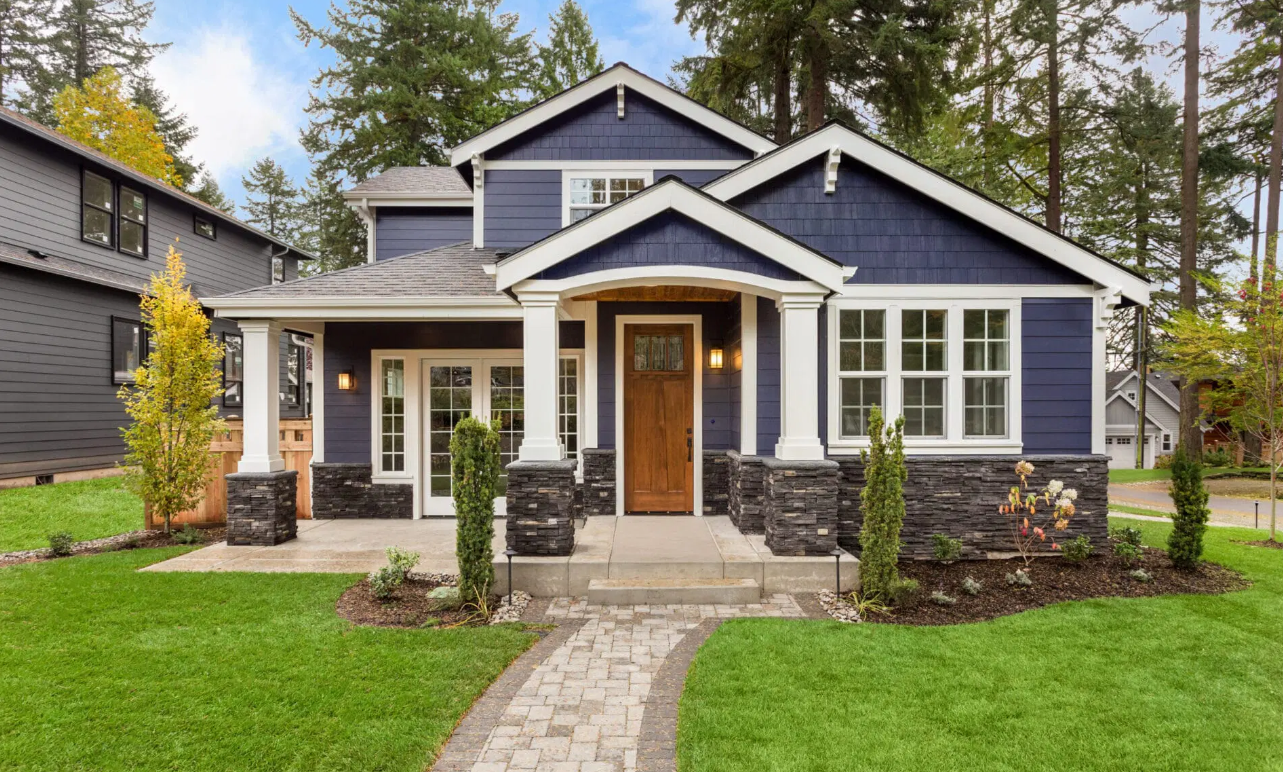
Siding is one area that makes a big visual impact. It also plays a major role in energy efficiency and insulation.
If your siding is faded, warped, or letting in drafts, replacing it could be one of the best updates you make.
If your current siding shows signs of damage or has become outdated, it may be time to contact a siding replacement company.
A professional team can help you choose materials that are durable, weather-resistant, and suited to your region.
This kind of investment goes beyond surface-level change.
New siding can raise your home’s value, improve comfort, and support your heating and cooling systems. It’s a project that delivers both function and curb appeal.
Windows also deserve attention. Older windows may look fine, but they can leak air and make it harder for your home to keep warm or cool.
Modern windows with energy-efficient glass reduce drafts and cut down on utility bills.
Combine new windows with upgraded siding, and you’ll notice the difference inside your home.
Don’t forget the roof. If it’s been a while since your last inspection, have a professional check for signs of wear.
Water damage from a leaky roof is expensive to fix, so catching it early is key.
Starting with the exterior sets a strong foundation. It’s the layer that shields everything inside.
Once you’ve handled those updates, you can move on to the features that make your home feel better on the inside.
Upgrade for Energy Efficiency
Energy costs add up fast, especially in larger homes or older ones with outdated systems.
Making smart energy upgrades can lower monthly bills and improve indoor comfort year-round.
Start with insulation. Attics and walls lose a lot of heat if they aren't properly insulated.
Adding or upgrading insulation can make a big difference. It keeps warm air in during winter and hot air out during summer.
Next, look at your HVAC system. If it’s over 10 years old or needs frequent repairs, it might be time for a replacement.
Modern systems run more efficiently and can heat or cool your home faster using less power.
Don’t forget small changes. Smart thermostats, LED lighting, and low-flow showerheads are quick upgrades that offer long-term savings.
You can enjoy the benefits right away without taking on major construction.
Focus on Kitchen and Bathroom Upgrades
Kitchens and bathrooms are used every day, which makes them key areas to invest in.
These spaces should work for your current lifestyle but also be adaptable in the future.
In the kitchen, focus on storage, lighting, and layout.
Pull-out drawers, deeper cabinets, and better lighting under cabinets can improve how the space works without a full remodel.
Upgrading appliances to energy-efficient models helps cut costs and adds convenience.
For bathrooms, comfort and function matter most. Consider adding walk-in showers, better lighting, and simple features like heated towel racks or dual-flush toilets.
These touches make the space more usable without pushing your budget too far.
Avoid trendy styles that might feel dated in a few years. Go for clean lines, quality materials, and neutral finishes that hold up over time.
Create Functional Storage Spaces
Storage matters more than people think. Clutter builds up quickly, and without good storage, rooms start to feel smaller and messier.
Built-in storage, custom closets, and organized garages are smart additions.
They help make the most of your space without changing your square footage.
Simple touches like pull-out pantry shelves or a mudroom bench with cubbies can improve daily life.
These updates are worth it because they don’t just improve how a home looks—they improve how it feels to live in.
Think Long-Term With Flooring and Fixtures
Flooring gets more wear and tear than almost anything else in your home.
Choose materials that hold up well. Hardwood, tile, and luxury vinyl are great options. They resist damage and look good for years.
Fixtures like faucets, lighting, and cabinet handles seem small, but they’re used often. Cheap ones wear out fast.
Solid, well-made hardware lasts longer and feels better to use. Look for designs that won’t need replacing every few years.
These updates don’t need to be flashy. Focus on comfort, durability, and ease of maintenance.
Plan for Accessibility and Aging in Place
Even if you don’t need it now, planning ahead can save time and money later.
Features like wider doorways, step-free entrances, and lever-style door handles make homes easier to move around in.
Grab bars, no-step showers, and higher toilet seats add comfort without changing the look of the home.
These updates help you stay in your home longer and live more comfortably as your needs change.
A forever home deserves more than short-term fixes. It needs upgrades that support how you live today and how you’ll live years from now.
The smartest investments are the ones that make life easier, more comfortable, and more efficient.
Thoughtful changes now can make your home a place you’ll truly enjoy for the long run.