

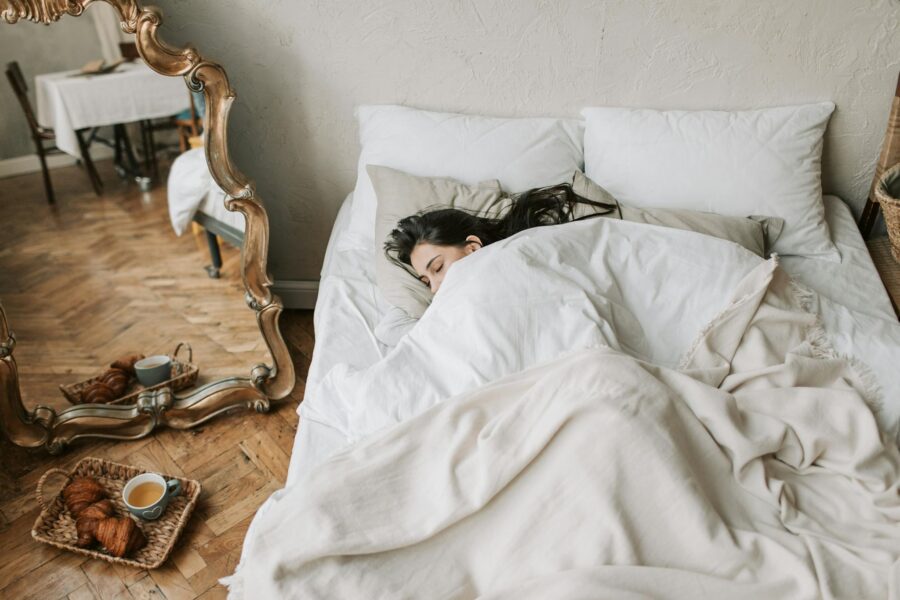
Sleep advice usually comes wrapped in absolutes. Eight hours. No screens. Cool room. Those ideas are fine, but they miss something obvious. Your body already has a preference. You curl, sprawl, twist, or stay perfectly still for a reason.
When sleep works, it is because your position and your setup are cooperating instead of arguing all night. Honoring that natural posture is not about forcing yourself into a textbook pose. It is about removing friction so your body can finally settle down.

Why Your Body Chooses a Position in the First Place
People do not randomly become side sleepers or stomach sleepers. Those habits form over years, sometimes decades, shaped by comfort, breathing, pain patterns, and even stress. A side sleeper might be protecting their lower back. A back sleeper may breathe more easily that way. A stomach sleeper often stays there because it feels grounding, even if it is not ideal for the neck.
Trying to fight that instinct rarely works. You can buy every pillow on the internet and still wake up cranky if your setup ignores how you naturally land once you fall asleep. The goal is not correction. It is support.
Side Sleeping Without the Shoulder Ache
Side sleeping is one of the most common positions, and also one of the most misunderstood. The biggest complaint is pressure. Shoulders get jammed. Hips sink. The spine twists just enough to cause morning stiffness.
This is where the conversation around the best mattress for side sleepers actually matters. Side sleepers need cushioning at the shoulders and hips without letting the midsection sag. Too firm and you wake up sore. Too soft and your spine bends into a banana shape. The sweet spot supports the waist while allowing the heavier joints to settle in naturally.
Pillow height matters just as much. The head needs to stay level with the spine, not tilted up or collapsing downward. When those elements line up, side sleeping stops feeling like a compromise and starts feeling intentional.
Back Sleepers and the Art of Neutral Support
Back sleepers often assume they have it easy. In some ways they do. This position distributes weight evenly and keeps the spine relatively straight. The trouble shows up when the mattress is either too soft or too hard.
A surface that collapses under the hips can strain the lower back. One that refuses to give at all can push the spine out of alignment. Back sleepers usually benefit from subtle contouring and a pillow that supports the natural curve of the neck without forcing the chin forward. Small tweaks can make a big difference. A low profile pillow under the knees can ease tension. Adjustments like these support better sleeping habits without changing the position itself.
Stomach Sleepers and Realistic Adjustments
Stomach sleeping gets a bad reputation, but people who do it rarely stop. It feels calming, especially for those who struggle to relax at night. The issue is not the position itself, but how extreme it becomes.
A very flat pillow or none at all can reduce neck strain. Slightly shifting one knee outward can relieve lower back pressure. Firmer mattresses tend to work better here, preventing the midsection from sinking too deeply.
This is not about perfection. It is about minimizing stress while respecting what your body prefers when it finally lets go.
Movement During Sleep Is Normal
Very few people stay in one position all night. Rolling, adjusting, and half waking to flip a pillow are part of healthy sleep. Problems start when every movement feels like work.
If you wake up exhausted despite spending enough time in bed, the issue may not be sleep duration. It may be friction. When your mattress, pillows, and position are mismatched, your body never fully relaxes. Supporting natural movement is part of building better sleeping habits, even if you never think about it consciously.
Temperature, Weight, and the Feel of the Bed
The sleeping position does not exist in a vacuum. Temperature regulation plays a role, especially for side sleepers who have more surface contact with the mattress. Materials that trap heat can lead to restless nights and constant repositioning.
Body weight also influences how deeply someone sinks into a mattress. Two people sleeping the same way may need very different setups. Comfort is not universal. It is personal, and it changes over time. Listening to subtle signals matters. Numb arms, tingling hands, or waking up twisted are all feedback. The body is very honest if you let it be.
When Sleep Finally Clicks
Good sleep does not announce itself with fireworks. It shows up quietly. You wake up without immediately stretching or checking the clock. Your shoulders feel normal. Your neck does not demand attention. That is what honoring your sleeping position looks like in real life.
It is not about chasing perfection or copying someone else’s routine. It is about noticing patterns and making choices that reduce resistance instead of adding more rules.
The best nights of sleep come from cooperation, not control. When your bed works with your body instead of against it, rest stops feeling elusive and starts feeling natural again.