
Simple Habits That Boost Your Dog's Health and Comfort
Keep your dog healthy with simple daily habits, including dental care, parasite prevention, exercise, nutrition, grooming, and joint support.

I know how busy life gets, and finding time for elaborate pet care routines feels impossible some days. The good news is that small, consistent actions add up to big results for your furry friend. This guide breaks daily care into manageable chunks that fit real Australian households and deliver visible improvements within weeks.
Why Small Habits Add Up
Tiny daily investments prevent expensive problems down the track. I recommend splitting care into a 10-minute morning block and a 10-minute evening block. You will track objective signals weekly, including body condition score, walk minutes, gum changes, and itch notes.
What You Will Need
- A phone or notebook for logging weight and weekly observations
- A soft toothbrush, dog-safe toothpaste, and a puzzle feeder
- Your clinic's vaccine and parasite schedule with calendar reminders
How to Measure Progress
- Record body condition score weekly so portion changes are data-driven
- Use a simple checklist for brushing, enrichment, and tick checks
- Film short gait videos before starting any joint support
Morning Routine in 10 Minutes
A quick daily scan catches problems before they escalate. Start with a two-minute body score check by feeling for ribs with light fat cover and looking for a visible waist from above.
Gum and Breath Glance
Healthy gums are pink and moist. Sudden bad breath or red margins suggest early dental issues worth discussing with your vet.
Tick Sweep
On the east coast, run fingers nose to tail daily. Check inside ear flaps, neck folds, armpits, between toes, and around the tail. Paralysis ticks are life-threatening, so this step is non-negotiable.
Water and Bowl Reset
Tip out old water, wash bowls with hot soapy water for 30 seconds, rinse, and refill. Biofilm builds fast in Australian heat, so daily cleaning matters.
Walk Smart in Australian Heat
Choosing the right timing prevents heat stress and paw injuries. Aim for early morning or late evening daily walks and use the five-second test on pavement. If you cannot hold your hand on the surface, it is too hot for paws.
Breed and Age Adjustments
Flat-faced breeds, puppies, seniors, and overweight dogs need shorter sessions. Break walks into segments with frequent water and sniff stops. For dogs with more energy and confidence, active dog adventures like trail walks and water play can build fitness while strengthening your bond.
Post-Walk Quick Check
Inspect paws for burrs, cuts, or redness after every outing. Watch for heat stress signs like heavy panting, glassy eyes, or wobbling.
Enrichment That Calms
Ten minutes of brain work reduces arousal and helps dogs settle faster. Turn breakfast into a calming task using food puzzles or scatter feeding on grass.
Simple Puzzle Ideas
- Use a slow feeder or snuffle mat for meals
- Fold kibble into a towel for easy foraging
Micro Training Sessions
Do three sets of two-minute reward-based reps focusing on sit, down, and settle. End while your dog is successful to keep motivation high.
Better Sleep and Everyday Comfort

Dogs sleep many hours daily, so supportive bedding improves rest and recovery. Traditional poly-fill beds pack down over time, creating pressure points.
Bedding Types Compared
Contoured memory foam spreads load across elbows and hips. For seniors or big breeds with bony elbows, a dog memory foam bed provides even pressure distribution and easy-to-wash covers, helping dogs settle faster after walks.
Placement Tips
Position beds away from drafts and direct afternoon sun. Use non-slip mats underneath so standing up is easier on tiles.
Skin, Coat, Nails, and Ears
Regular touch-ups prevent matting, infections, and overgrown nails. Match brushing to coat type: weekly for short coats, daily during shedding seasons for long or double coats.
Nail Care Schedule
Trim when you hear clicking on hard floors. Condition your dog to paw handling with treats to reduce stress during nail sessions.
Ear Checks
Do weekly visual checks for redness or odor. Clean with vet-approved solutions and never insert cotton buds into the ear canal.
Daily Dental Habit
Dental disease affects about 80 percent of dogs by age three, so early home care matters. Start with a finger brush, then transition to a soft toothbrush over two weeks.
How to Brush Well
Focus on upper canines and back molars using dog-safe toothpaste. Use calm praise to end each session positively. Schedule annual mouth checks with your vet.
Parasite Prevention Made Simple
A reliable parasite plan covers ticks, fleas, and heartworm without missed doses. Use an effective tick preventative and maintain daily fingertip searches in high-risk zones.
Flea Control
Treat all pets in your home and manage the environment with vacuuming. Never apply dog tick products to cats.
Heartworm Coverage
Choose monthly preventatives or an annual injection. Set recurring calendar reminders aligned with payday to reduce missed doses.
Feeding Choices That Fit
Feed a complete and balanced diet portioned to body condition score trends. Confirm the food meets your dog's life stage needs and transition over five to seven days.
Portion to the Dog
Use weekly body condition score and monthly weight to guide portion shifts. Keep treats under 10 percent of daily calories.
Joint Care and Targeted Trials
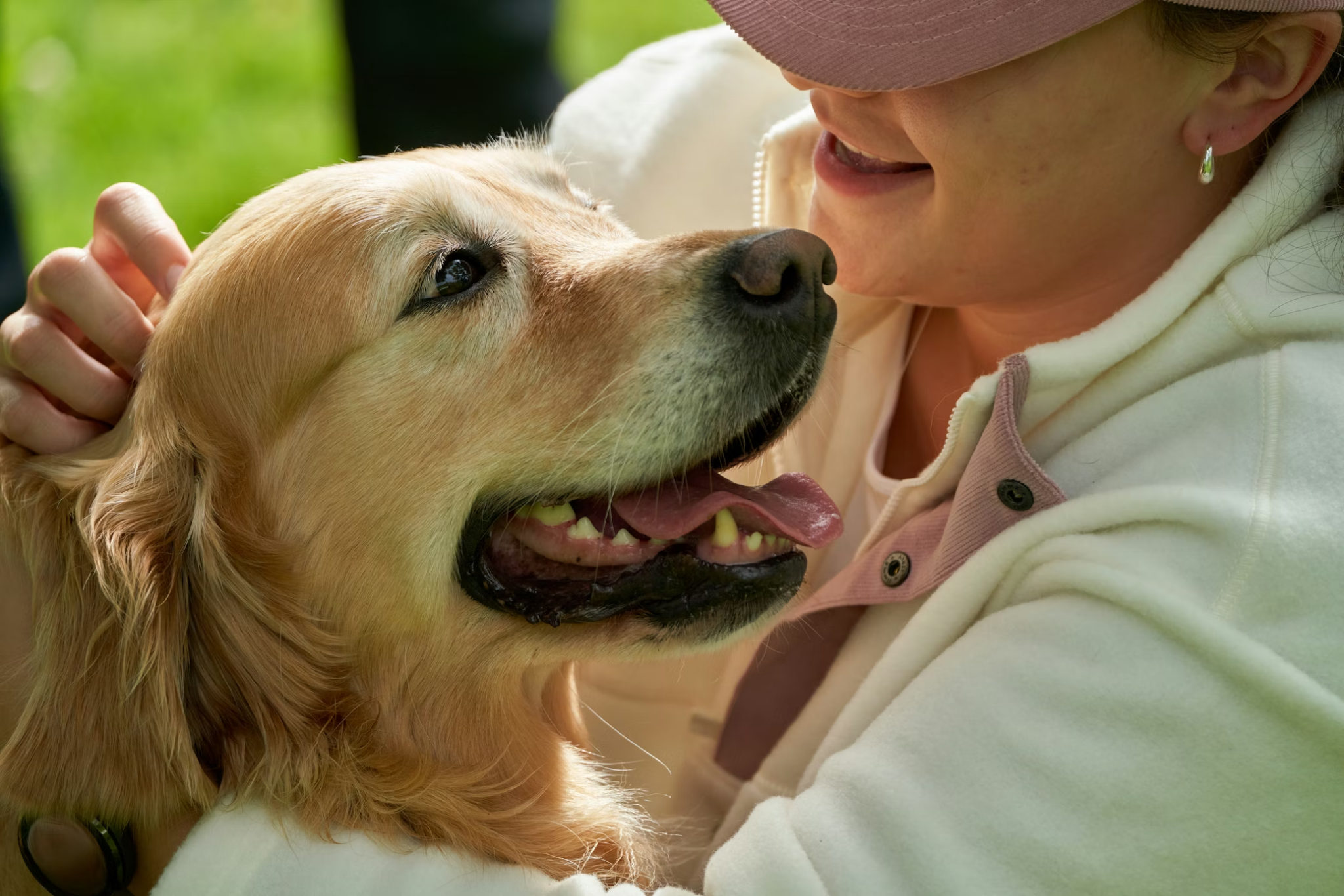
Run any new supplement as an 8 to 12 week trial with simple metrics like lameness scores and scratch frequency. Record baseline videos and recheck at weeks 4, 8, and 12. If your vet recommends adding targeted nutrition, explore Dog by Dr Lisa's range of dog supplements to support specific needs while you monitor weight, mobility, and coat.
When to Stop or Switch
If metrics do not improve by week 12, reassess with your vet. Avoid adding overlapping products without a clear tracking plan.
Weekly and Monthly Scorecards
Tracking turns habits into visible progress. Log body condition score, tick checks, walk minutes, and bowl cleaning weekly.
Monthly Review Items
- Weight and nail length
- Bedding wash and parasite doses given
- New behaviors like night restlessness
When to Call the Vet
Seek help for persistent heat stress signs, ongoing limping, recurring ear discharge, or weight changes that do not respond to portion adjustments.
Closing Thoughts
Consistency beats intensity for daily care. Your weekly scorecards will show progress and highlight early warning signs. Pick one or two changes to start this week and share your log at your next vet visit to fine-tune your approach.
Frequently Asked Questions
How do I safely remove a tick and when should I see a vet?
Use a tick remover or fine tweezers close to the skin and pull steadily upward. If you notice wobbliness, vomiting, or breathing changes, seek immediate veterinary care.
What is the best time and temperature to walk?
Aim for early morning or late evening. If your hand cannot rest on the pavement for five seconds, stay off hot surfaces.
What if brushing teeth daily is not happening?
Brush several times weekly and pair with dental diets or chews your vet recommends. Book professional cleanings as needed.
How do I set a parasite calendar for shift work?
Align doses with your shift cycle or payday and set two digital reminders per dose. Batch-buy refills so roster changes do not cause missed months.