
Caring for Senior Pets: Keeping Them Happy and Healthy Longer
Our pets are cherished members of our families, bringing joy and companionship into our homes.
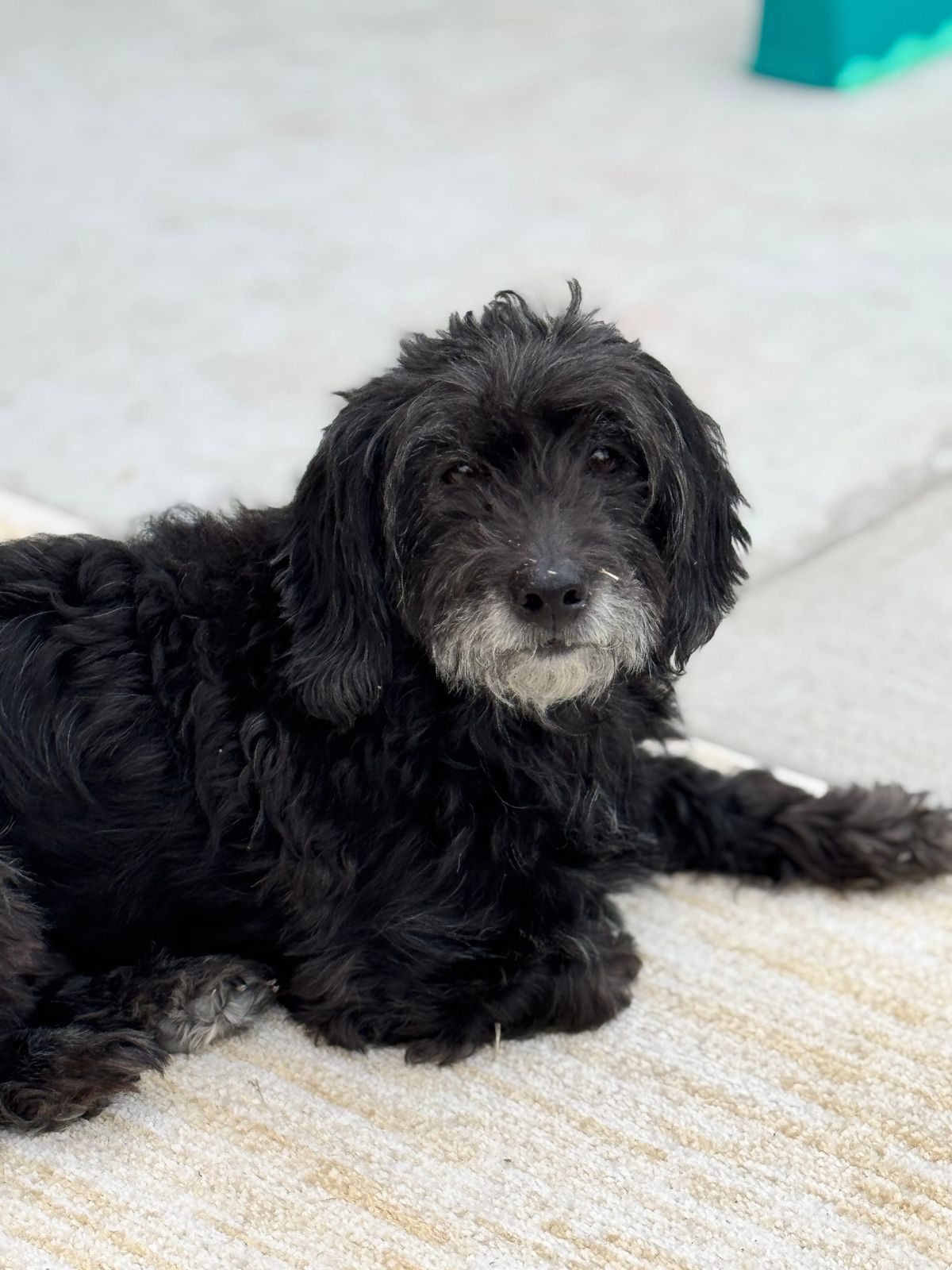
Our pets are cherished members of our families, bringing joy and companionship into our homes. As they grow older, their needs start to change. It becomes our responsibility to ensure their golden years are as happy, comfortable, and healthy as possible.
Caring for a senior pet means shifting your focus to comfort, preventative care, and adapting to their new pace of life. With a few thoughtful adjustments, you can help your loyal companion navigate their later years with grace and contentment.
Recognizing Signs of Aging in Pets
Just like humans, pets show signs of aging that can be both subtle and obvious. Your dog might not be as enthusiastic about that long walk, or your cat might choose to nap in a sunbeam instead of chasing a toy. While this is normal, pay attention to the specifics. Common signs of an aging pet include:
- Changes in Mobility: Difficulty climbing stairs, jumping onto furniture, or getting up from a lying position may indicate joint pain or arthritis.
- Sensory Decline: If your pet doesn't respond to their name, it could signal hearing loss. Cloudy eyes or bumping into furniture can be signs of vision problems.
- Weight Fluctuations: Senior pets can gain weight due to a slower metabolism or lose weight, which might signal underlying health issues.
- Behavioral Changes: Increased anxiety, confusion, more vocalization, or changes in sleep patterns can all be part of aging.
- Dental Issues: Bad breath, difficulty chewing, or dropping food often signal dental disease, which is very common in older animals.
Recognizing these signs early is the first step toward providing the right support. It’s not about stopping the aging process but about managing it effectively to maintain your pet's quality of life.
Tailoring Nutrition for Senior Animals
When choosing food, it’s important to consider the special needs of aging pets, including changes in their diet and overall health. As their activity level decreases and their metabolism slows, their caloric requirements change. Continuing to feed them the same high-calorie food can easily lead to obesity, which puts extra strain on their joints and vital organs.
Many pet food brands offer formulas specifically for senior animals. These diets are lower in calories but rich in high-quality protein to maintain muscle mass. They also contain beneficial supplements like glucosamine and chondroitin for joint support, and omega-3 fatty acids for cognitive health and to reduce inflammation. Make sure fresh, clean water is always easily accessible, and consider adding wet food to their diet to increase their fluid intake.
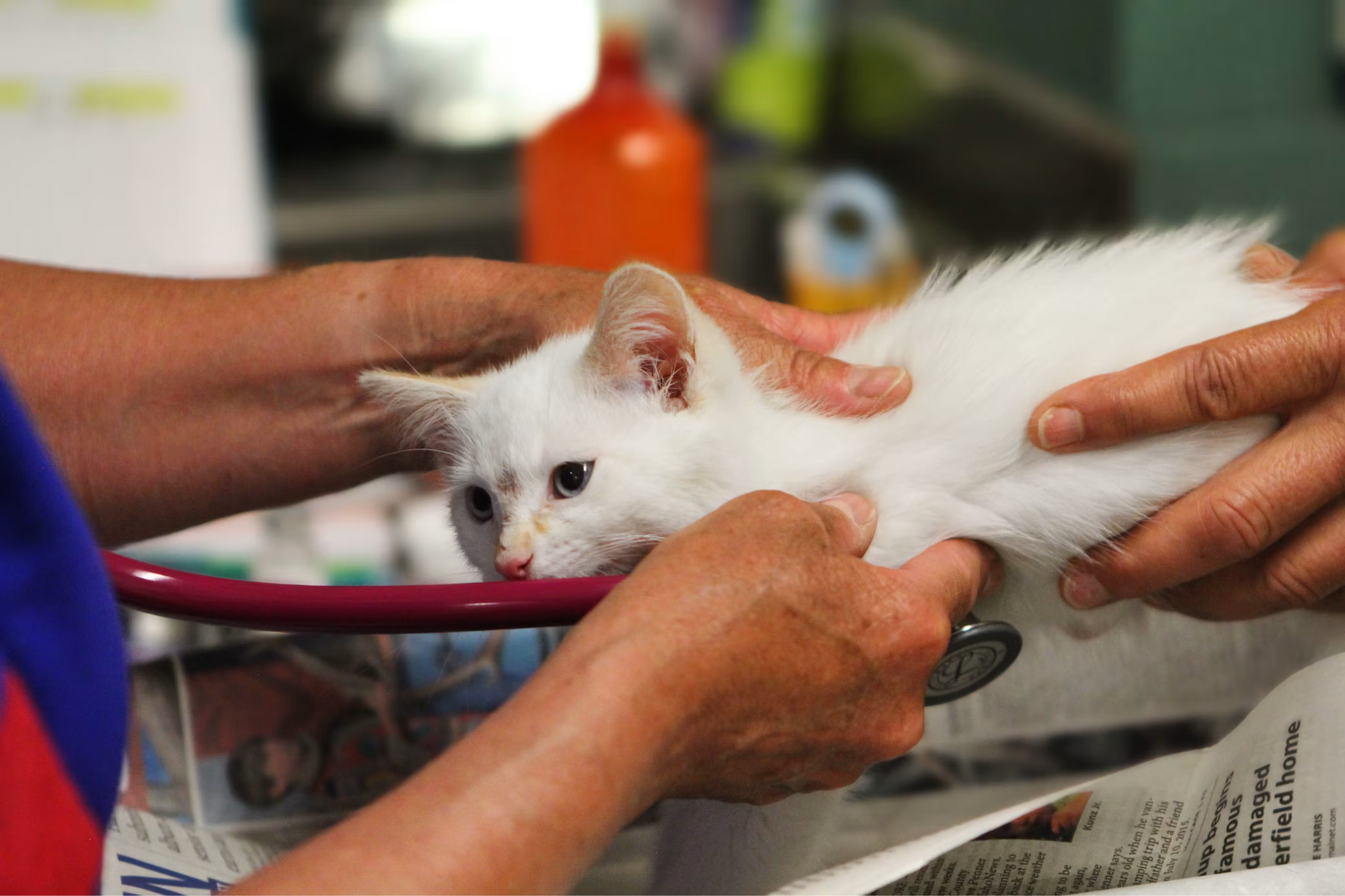
Image Credit: Unsplash
Proactive Veterinary Care for Older Pets
As pets age, regular veterinary check-ups become even more important. Many veterinarians recommend that senior pets visit twice a year instead of annually. These more frequent visits allow for early detection of common age-related conditions such as arthritis, diabetes, kidney disease, and heart conditions. Early diagnosis often leads to better management and a higher quality of life.
These visits are a great time to discuss any changes you've noticed in your pet's behavior or physical condition. Your vet can perform senior wellness screenings, which may include blood work and urine tests to get a clear picture of your pet's organ function. Dental care is also a major part of senior wellness, as painful dental disease can affect their ability to eat and lead to other systemic health problems.
Managing the health of an aging animal can sometimes bring unexpected costs. Diagnostic tests, specialized medications, and potential surgeries can add up. Having a financial plan in place can relieve some of this stress. Many families find that having insurance for older pets helps them make decisions based on their pet's needs rather than their budget. This preparation allows you to focus on providing the best care possible during their later years.
Gentle Exercise and Mental Stimulation
Your senior pet may not be able to keep up with long walks or intense play, but regular, gentle exercise is still important. Short walks can help keep your dog’s joints moving and muscles strong. For cats, gentle play with a feather wand can help them stay active without overdoing it. Swimming can also be a good low-impact option for dogs if there’s a safe place to swim.
These simple activities are habits that boost your pet's health and comfort as they age. Mental stimulation is just as important as exercise and can help keep your pet alert and engaged. Try simple activities such as:
- Puzzle Toys: Let your pet work for treats or meals with food-dispensing toys.
- Scent Games: Hide treats around the house and let your dog find them by scent.
- New Tricks: Teach simple commands or tricks to keep your dog’s mind active.
The goal is to adjust activities to your pet’s abilities so they can stay active and happy without getting hurt.
Creating a Comfortable Home Environment
Making a few simple modifications to your home can dramatically improve your senior pet’s comfort and safety. As mobility becomes more challenging, navigating the house can become a daily obstacle course. Your goal is to create an environment that is both accessible and cozy. Providing a comfortable place to rest is one of the best senior pet care tips you need to know.
Start by looking at your floors. Hardwood or tile floors can be slippery for paws that are less steady. Placing non-slip rugs or runners in high-traffic areas can provide much-needed traction and prevent falls. If your pet loves to sleep on the couch or your bed, consider getting pet stairs or a ramp to help them get up and down safely, reducing the risk of joint injury from jumping.
For pets with declining vision, try to keep your furniture arrangement consistent and keep pathways clear. An orthopedic bed with memory foam can provide crucial support for arthritic joints and ease pressure points, leading to more restorative sleep. Ensuring their food, water, and litter box are on the main floor and easily accessible can also make a big difference, especially for pets who struggle with stairs. These small changes show your pet you care and help them feel secure in their surroundings.


