
Simple Changes to Improve Your Household Water Consumption
Learn practical tips to improve your household water quality and consumption habits. Easy changes that make a real difference for your family's health and wellness.

Most of us use water multiple times a day without really thinking about it. We turn on the tap, fill a glass, and drink. We shower, do laundry, and water our plants. But how often do you stop to consider the quality of that water or whether you're using it efficiently? The truth is, small adjustments to your water habits can have a meaningful impact on your household's health and wellness.
Water is one of those things we take for granted. It's always there, right? But the reality is that your water quality and consumption patterns are worth examining. When you make thoughtful changes, you might notice improvements in how you feel, how your family functions, and even your household budget. Let's explore some practical shifts you can make starting today.
Understanding What's in Your Tap Water
Before you can improve your water consumption, it helps to understand what you're actually consuming. Municipal water systems treat water to make it safe, but that doesn't mean it's in its purest form when it reaches your home.
Your tap water typically contains various minerals, residual chlorine from the treatment process, and sometimes sediment that has accumulated in pipes. In some areas, you might also have trace amounts of metals like lead or copper, especially if your home has older plumbing. These substances aren't necessarily dangerous in regulated amounts, but they can affect taste, clarity, and how your body responds to the water.
Water quality varies significantly depending on where you live. A person in one city might have excellent tap water, while someone just thirty minutes away experiences different results. Testing your water is a simple first step. You can get inexpensive test kits at most hardware stores, or your local water authority can provide detailed information about your specific water composition. Knowing what's actually in your water helps you decide what changes make sense for your situation.
Evaluating Your Current Water Habits
Take a moment to think about your household's water consumption. How much bottled water do you buy each month? How many glasses of tap water do family members actually drink? Are there visible leaks or running toilets that waste water?
Most households don't realize how much water they're actually using or how much they're spending on alternatives. Some families spend considerable money on bottled water because they don't trust or don't like the taste of tap water. Others have never questioned their water sources. The starting point is awareness.
Look around your home for signs that your water situation needs attention. Is there an odd taste or smell? Do you notice buildup on your fixtures? Are family members choosing other beverages over water? These signals suggest your home environment and water situation might benefit from some attention.
Consider your current costs too. Between bottled water purchases, potential plumbing repairs from water quality issues, and the effort of dealing with inadequate hydration in your family, the real expense of ignoring water quality is often higher than people realize.
Practical Changes for Better Water Quality and Access
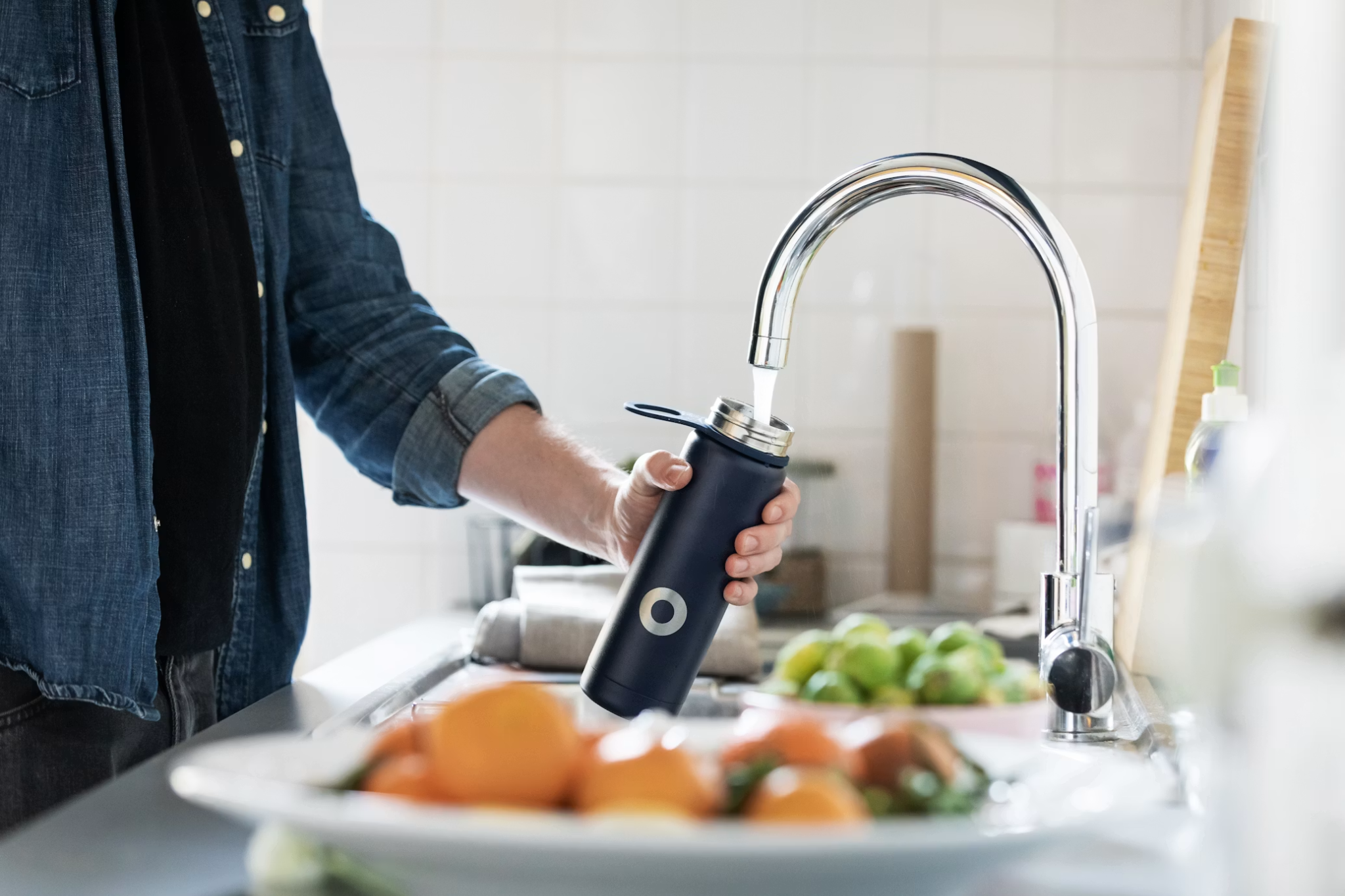
Now for the part that actually makes a difference. What can you realistically do about your water situation?
Start with what's accessible. Installing a basic water filter is one of the simplest changes you can make. Point-of-use filters, like pitcher filters or faucet attachments, are affordable and immediately improve taste and clarity. They're not a complete solution for every water quality concern, but they're an excellent starting point that most households can implement without hassle.
Next, think about your pipes and fixtures. Have you checked for leaks? A dripping faucet or running toilet wastes more water than most people realize. Replacing worn washers or calling a plumber for small issues prevents both water waste and potential contamination from cracks in older pipes.
Beyond basic filtration, consider your household's water source more broadly. Some families find that alternative water sources work better for their needs. Options exist for households seeking consistent water quality without relying solely on traditional filtration. Services like spring water delivery provide a practical solution for families wanting reliable access to quality water. Whether it's for cooking, drinking, or general household use, having a consistent source you trust removes the uncertainty from your daily water consumption.
Establishing firm hydration habits matters too. When family members have easy access to quality water they actually like, they naturally drink more. This is one of those simple changes with outsized benefits for overall wellness.
Making the Transition Manageable
You don't need to overhaul everything at once. In fact, gradual changes work better for most households.
Start by implementing just one change. Maybe you install a filter pitcher this week. Use it for a couple of weeks and notice the difference. Once that's part of your routine, consider the next step. Perhaps that's fixing a leak, or exploring other water options for your household.
Budget matters. You don't need expensive equipment to see improvements. Many effective solutions cost under fifty dollars to start. Calculate what you're currently spending on bottled water or the cost of potential water-related issues, and compare that to the cost of your chosen change. Most people find that improvements pay for themselves fairly quickly.
You'll probably notice changes within a few weeks. The water might taste better, or family members might drink more of it. Some people notice their skin feels better or they have more sustained energy. These are real benefits that come from better hydration and water quality.
Involve your family in the process. When everyone understands why you're making changes and participates in implementing them, the shifts stick. Kids are more likely to drink water when they understand why it matters and when they have a role in the process. This participatory approach connects to broader daily wellness habits that benefit the whole household.
Maintaining Long-Term Water Wellness
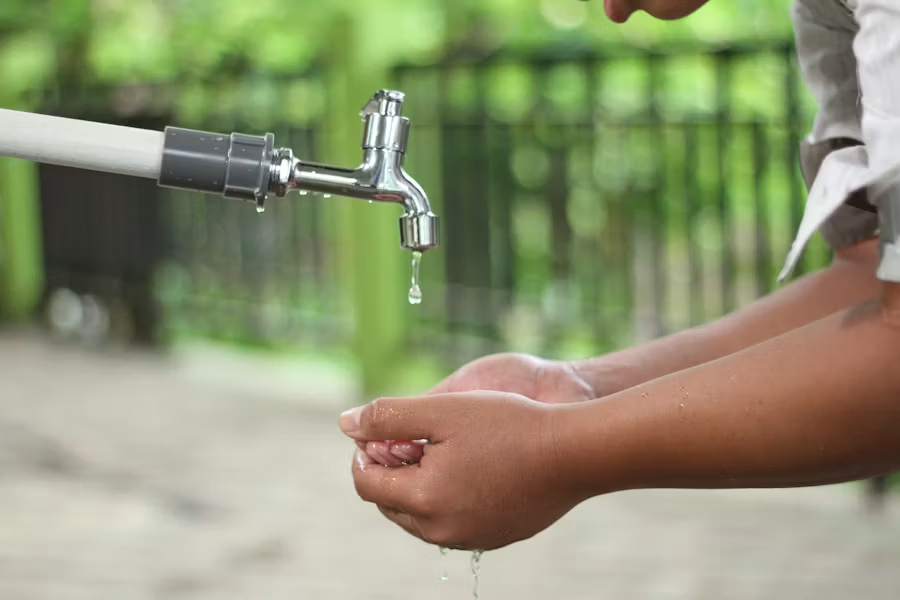
Making one change is great. Keeping up with it is what creates lasting benefits.
Create a simple maintenance schedule. If you're using filters, mark on your calendar when to replace them. Most filters last two to three months depending on usage. Regular upkeep ensures your system keeps working as intended.
Check your water quality occasionally. This doesn't need to be complicated. Simple visual checks like noticing clarity or taste can tell you if something has changed. If you notice differences, run a test kit or contact your water authority.
Your household's water needs might change seasonally. Summer usually means higher consumption. Winter might bring different concerns. Staying aware of these patterns helps you adjust your approach throughout the year.
Keep yourself informed about local water quality news. Most areas post regular updates about water safety and quality. Subscribing to these updates means you'll know if anything significant changes in your water source.
The core of maintenance is consistency. Small regular actions keep your water quality steady and your habits sustainable. Think of water maintenance as part of your broader wellness rituals, rituals that contribute to overall household health and wellbeing over time.
Conclusion
Improving your household water consumption doesn't require complicated systems or major expenses. It starts with understanding what's actually in your water and what your family's current habits look like. From there, practical changes like better filtration, leak repairs, and exploring reliable water sources create noticeable improvements.
These shifts compound over time. Better water quality leads to better hydration, which affects energy, skin health, and overall wellness. Your family notices the difference. You notice the difference. And these changes become just part of how your household operates.
Start with one change this week. Assess, implement, and observe. Then add the next step. This gradual approach means you're more likely to maintain improvements long-term, and it's less overwhelming for everyone involved.
Your household's water deserves attention. You deserve clean, reliable water. It's one of those things that seems small until you actually address it, and then you wonder why you waited so long.
FAQs
Q: How long does it take to notice improvements in water quality?
Most households report noticeable differences in taste and clarity within two to four weeks of implementing changes. The timeline depends on which specific improvement you've made and your baseline water quality. Some people notice differences immediately, while others need a few weeks of consistent use before they really register the change.
Q: Are water filtration systems expensive to maintain?
Maintenance costs vary based on system type. Basic point-of-use filters typically cost minimal amounts monthly, usually between ten and twenty dollars per replacement. More comprehensive systems vary in cost, but most households find the annual expense reasonable when compared to what they were previously spending on bottled water or dealing with water quality issues.
Q: What's the difference between distilled and spring water options?
Distilled water undergoes a process that removes virtually all minerals and contaminants through evaporation and condensation. Spring water is naturally sourced but may still contain minerals. Each serves different purposes depending on your household needs, preferences, and what you're using the water for.
Q: Can I implement these changes gradually or do I need to change everything at once?
Gradual implementation is actually recommended and more effective. Start by assessing your current situation, make one change, monitor the results for a few weeks, then add the next change. This approach is more sustainable long-term and allows you to identify which changes make the most difference for your specific household situation.


