

Stress has quietly become one of the biggest drains on health and happiness in modern life. Between workplace demands, digital distractions, and family responsibilities, it’s easy to put your own well-being last. But true self-care isn’t about luxury—it’s about making intentional investments that consistently reduce pressure, restore calm, and improve long-term quality of life.
The good news? You don’t need a five-star retreat to feel the benefits. With a few smart upgrades to your daily environment and mindset, you can turn your home and habits into quiet zones of renewal. Here are some underrated self-care investments that deliver measurable benefits for your mental health and stress levels.

Better Sleep: The Foundation of Calm
If your mornings start with exhaustion, no self-care routine can fully compensate. Quality sleep is your body’s built-in stress regulator, and improving it starts with your environment. One often-overlooked upgrade is your bedding. Replacing worn-out fabrics with breathable, natural materials can dramatically improve comfort and temperature control. For instance, a set of gauze bed sheets creates a light, airy feel that keeps you cool and comfortable through the night while wicking away excess moisture.
Combine that with a consistent bedtime routine—no screens an hour before bed, a cup of herbal tea, and dim lighting—and you’ll notice a real drop in stress reactivity during the day. Sleep researchers often compare restorative rest to a mental detox: the deeper your sleep, the more efficiently your mind clears cluttered thoughts.
Move for Balance, Not Burnout
Exercise remains one of the most powerful and proven ways to manage stress. But if your routine feels like a punishment, it’s time to rethink your approach. Movement should feel restorative, not exhausting.
Low-impact practices like yoga, tai chi, or long daily walks train both the body and nervous system to stay grounded under pressure. The slow, rhythmic breathing central to these exercises sends feedback to the brain that it’s safe to relax—lowering levels of cortisol, the body’s main stress hormone.
If motivation is the challenge, consider investing in gear or memberships that enhance consistency rather than intensity. A structured but flexible plan—like an at-home yoga subscription or a compact treadmill—can turn small daily efforts into lifelong stress resilience.
Upgrade Your Recovery Space
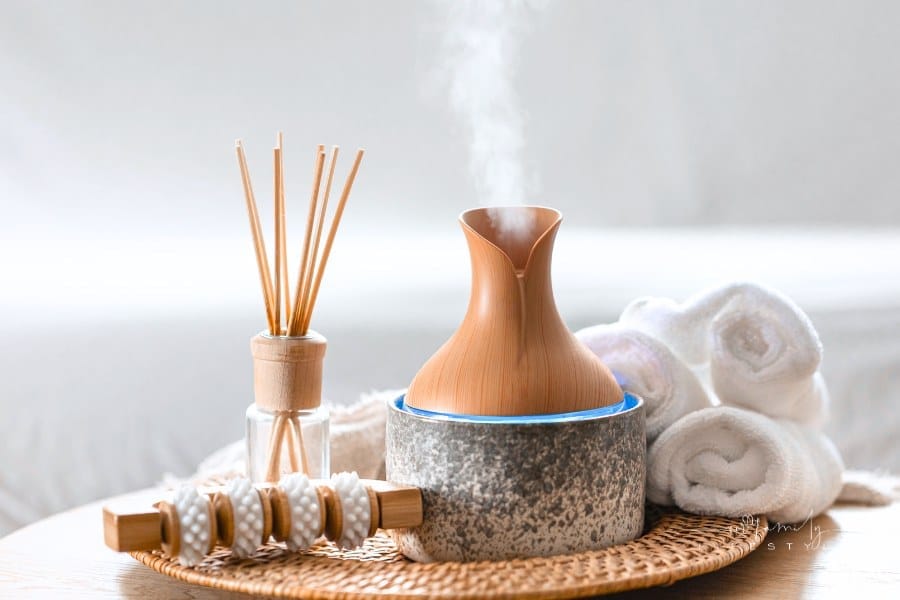
Your home environment can either amplify stress or defuse it. A dedicated relaxation corner, even a small one, is a quiet signal to your brain that it’s time to recharge. Consider furniture and textures that invite comfort—cozy blankets, ambient lighting, soothing colors, and minimal clutter. Scent also plays a decisive role. Diffusing essential oils like lavender, bergamot, or cedarwood helps cue relaxation and focus.
For a more substantial investment, personal spas or hydrotherapy units offer impressive returns in stress reduction. For example, these portable Freeflow Spa models provide muscle relief, improved circulation, and a sensory escape right in your backyard. Warm-water therapy has been shown to ease anxiety and promote better sleep by lowering muscle tension and calming the parasympathetic nervous system.
Protect Your Digital Boundaries
The modern world demands near-constant connection, but the mind needs downtime to recover from stimulation. One of the smartest self-care investments isn’t financial—it’s behavioral. Establish digital boundaries that defend your focus and peace of mind.
Start with small habits: turn off non-essential notifications, keep your phone out of the bedroom, and designate “screen-free” hours before bedtime. If your work requires constant connectivity, schedule short, intentional breaks to step away from devices. Even 10 minutes outdoors or a brief breathing session can restore mental clarity and reduce physiological stress.
Apps that help track screen time or guide mindfulness, such as Headspace or Calm, can support this process. When used intentionally, technology becomes an assistant in your self-care—not an obstacle.
Invest in Mental Rest
Stress management isn’t just about relaxation; it’s about restoration. Mental rest means allowing your mind to shift from task mode to reflection and recovery. Journaling is one powerful tool. Writing down thoughts helps organize your emotions, clarify triggers, and recognize patterns that contribute to tension.
Meditation or guided visualization can also strengthen your mind’s ability to calm itself. Set aside ten minutes a day in a quiet space and focus on your breath, an image, or a positive affirmation. The benefits compound over time—lower resting heart rate, improved sleep, and even better problem-solving skills under pressure.
If you’re struggling to find balance or feel emotionally drained, therapy or coaching sessions can be invaluable. Think of professional support as an investment in self-awareness, equipping you with tools to navigate future stress more effectively.
Nourish with Care
Your nutritional habits are the fuel behind every system that manages stress. Processed foods, caffeine overload, and irregular meals all increase physical strain on the body. Instead, focus on nutrient-dense, calming foods—leafy greens, whole grains, lean proteins, and omega-rich fats.
Hydration plays a surprising role, too. Dehydration can mimic the feeling of anxiety, making your system feel under threat even when it’s not. Keeping water close at hand throughout the day is one of the simplest, cheapest self-care upgrades available.
Self-care doesn’t have to mean indulgence—it means investment. The things that truly reduce stress, from proper rest and mindful movement to thoughtful home design, all compound their benefits over time. When you prioritize well-being today, you’re building resilience for tomorrow.
Remember, the most powerful stress relief often comes from small daily decisions that honor your well-being. Every improvement, no matter how modest, moves you closer to balance—and that’s a return worth investing in.