

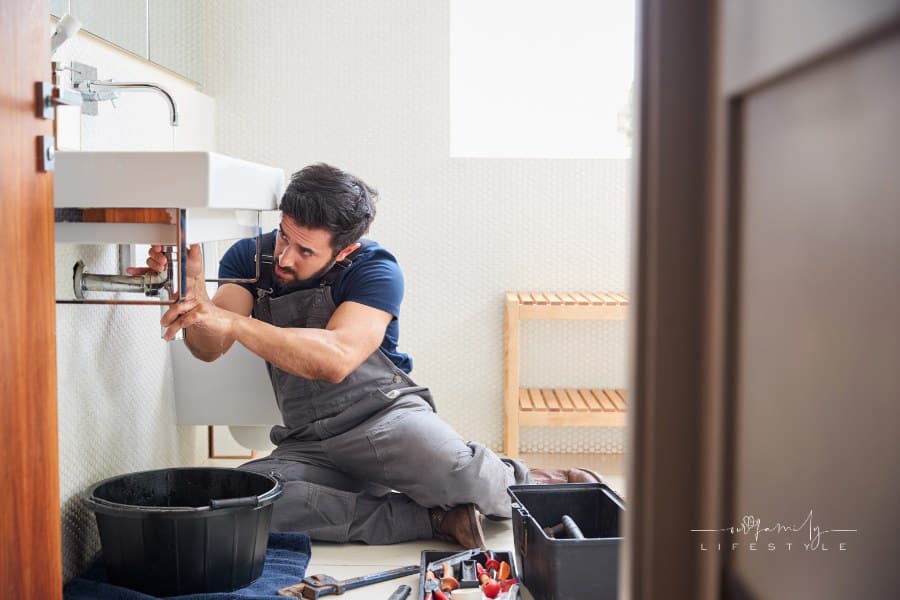
Sacramento residents often encounter various plumbing issues, ranging from leaky faucets to more serious pipe bursts.
Understanding these common problems and how to address them can save time and money. With reliable services available, choosing the right plumber is crucial for maintaining an efficient system.
An informed homeowner can easily identify when to call a professional, ensuring issues are resolved quickly.
Regular maintenance not only extends the life of plumbing fixtures but also prevents costly repairs down the line.
Knowledge about local plumbing services can empower residents to make better decisions for their homes.
Key Takeaways
- Sacramento has unique plumbing challenges that require specialized knowledge.
- Choosing a skilled plumber can prevent future issues.
- Regular maintenance is essential for a reliable plumbing system.
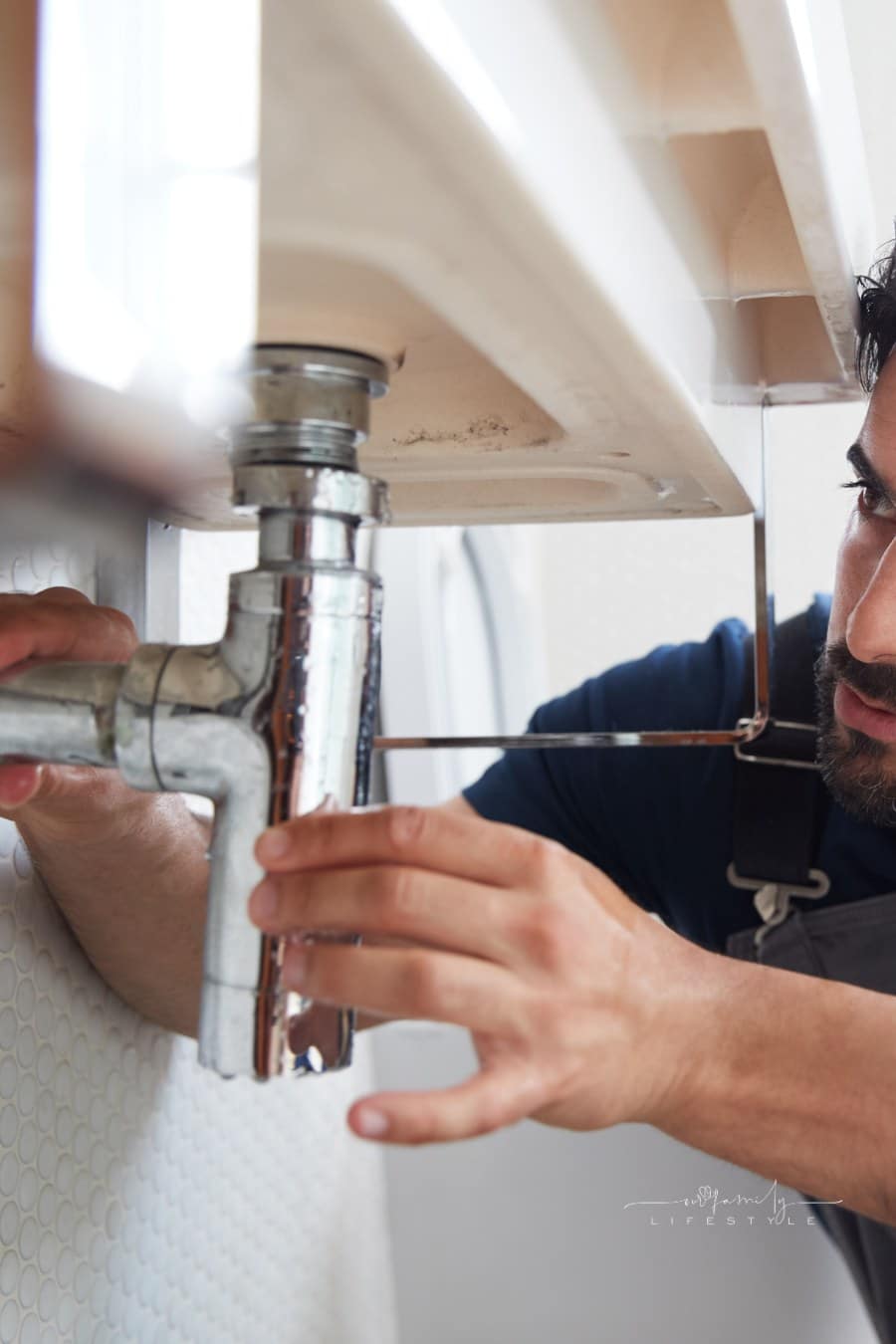
Understanding Sacramento Plumbing
Sacramento plumbing has a rich history shaped by the region's growth and regulatory landscape.
An overview of its historical context and current regulations offers insight into the practices and standards governing plumbing services in the area.
History of Plumbing in Sacramento
The history of plumbing in Sacramento dates back to the mid-1800s, coinciding with the Gold Rush. As settlers arrived, the demand for reliable water sources and sanitation systems increased.
Early systems were rudimentary, often utilizing wooden pipes and manual labor.
By the late 19th century, Sacramento established a more organized water supply system. The introduction of cast iron pipes and the development of the sewage system reflected the city’s growth.
Plumbing infrastructure continued to evolve throughout the 20th century, adapting to increasing population demands and advancements in technology.
Today, Sacramento's plumbing history informs local practices, ensuring systems are efficient and up to code. This historical context is vital for understanding contemporary solutions.
Regulations and Codes
Plumbing in Sacramento is governed by strict regulations and building codes to ensure safety and environmental protection. The California Plumbing Code provides guidelines for installation, maintenance, and repair.
Key regulations include:
- Licensing Requirements: Plumbers must be licensed and insured to operate within Sacramento.
- Backflow Prevention: Systems must include devices to prevent contamination of the water supply.
- Water Efficiency Standards: Plumbing fixtures and systems are required to meet specific efficiency ratings to conserve water.
Regular inspections are mandated to ensure compliance with these codes. This rigorous oversight helps maintain public health and safety while promoting responsible water usage in the community.
Common Plumbing Issues in Sacramento
Residents in Sacramento frequently encounter specific plumbing challenges that require prompt attention. Understanding these issues can help in managing repairs effectively and avoiding further problems.
Drain Clogs and Leaks
Clogs often occur due to the buildup of grease, hair, and debris in pipes. Kitchen sinks and bathroom drains are common trouble spots. Routine maintenance, such as regular drain cleaning, can help mitigate these issues.
Leaks can arise from worn-out seals, faulty connections, or damaged pipes. These leaks may not always be visible, as they can occur within walls or underground.
Homeowners should be vigilant for signs like damp spots or an unexplained increase in water bills.
Water Heater Problems
Water heaters in Sacramento face challenges such as inconsistent temperatures and sediment buildup.
Sediment accumulation can lead to reduced efficiency and potential malfunctions. Routine flushing of the heater can extend its lifespan and maintain optimal performance.
In colder months, residents may find their water heater struggles to keep up with demand. Upgrading to a unit that fits their consumption needs ensures a consistent supply of hot water. Regular inspections are advised to catch any potential issues early.
Sewer Line Challenges
Sewer line issues in Sacramento can arise due to tree root intrusion, aging pipes, or blockages. These challenges can lead to sewage backups, creating a health hazard. Identifying the source and addressing it promptly is critical.
Signs such as slow drains or foul odors often indicate a sewer line problem. In situations where the line is severely compromised, replacement might be necessary.
Professionals can conduct video inspections to assess the condition of sewer lines accurately.
Choosing a Sacramento Plumber
Selecting the right plumber in Sacramento requires careful consideration of their qualifications and the variety of services they offer.
Key factors include expertise and specific services to ensure plumbing issues are resolved effectively.
Qualifications and Expertise
When choosing a plumber, it's essential to verify their qualifications. Licensed plumbers in Sacramento have met specific educational and training requirements. They often hold certifications indicating proficiency in plumbing practices.
Key qualifications to look for include:
- Licensing: Confirm that the plumber is licensed by the California Contractors State License Board.
- Insurance: Ensure they carry liability insurance to cover possible damages during work.
- Experience: Evaluate how long they have been in business and their familiarity with local plumbing codes.
- Specializations: Some plumbers focus on particular areas such as residential, commercial, or emergency plumbing.
These qualifications help ensure professional and safe service.
Services Offered
A competent Sacramento plumber should provide a wide range of services to meet various needs. Understanding the specific offerings can guide the decision-making process.
Common services include:
- Leak Repair: Addressing leaks in pipes, fixtures, or appliances effectively.
- Drain Cleaning: Utilizing tools such as snakes or hydro-jetting to clear clogs.
- Water Heater Installation and Repair: Handling both traditional and tankless systems.
- Sewer Line Repair: Inspecting and fixing issues with sewer lines, including using camera systems.
- Emergency Services: Offering 24/7 availability for urgent situations.
Choosing a plumber who offers diverse services ensures all plumbing needs can be met efficiently.
Maintaining Your Plumbing System
Proper maintenance of a plumbing system is essential for preventing costly repairs and ensuring smooth operation.
Implementing preventative measures and conducting routine inspections can extend the lifespan of installations.
Preventative Measures
Preventative maintenance is crucial in avoiding future plumbing issues. Property owners should regularly check for signs of leaks, such as water stains or mold growth, particularly in basements and under sinks.
Tips for preventative maintenance include:
- Drain cleaning: Regularly clean drains to prevent clogs.
- Pipe insulation: Insulate pipes to prevent freezing in colder months.
- Water pressure checks: Monitor water pressure; excessively high pressure can damage pipes.
- Regular flushing: Flush out flushable drains occasionally to clear buildup.
Property owners may also consider installing water softeners if hard water is present. This reduces mineral buildup and extends pipe and appliance life.
Routine Inspections
Routine inspections help identify potential issues before they escalate. Scheduling a professional inspection at least once a year can uncover hidden problems.
Key areas to inspect include:
- Pipes: Look for corrosion or leaks.
- Water heater: Check for unusual noises or leaks indicating wear.
- Sump pump: Ensure it operates correctly, especially before heavy rain.
- Fixtures: Inspect faucets and toilets for leaks or drips.
Documenting inspection findings can aid in tracking plumbing health over time. Timely actions based on these inspections can prevent emergencies and reduce repair costs.