Introduction
Nature has become increasingly unpredictable in recent years. Fierce storms, devastating hurricanes, and torrential downpours now pose more significant threats to homes nationwide.
You might wonder: how can property owners stay one step ahead of these weather challenges?
Modern roofing technology offers robust solutions to combat these intensifying weather patterns. A skilled commercial roofing contractor can now access an impressive arsenal of storm-resistant materials and cutting-edge installation methods.
Today's advanced roofing solutions blend durability with sophisticated engineering.
Picture this: synthetic materials that can withstand 150mph winds, innovative moisture barriers that adapt to temperature changes, and interlocking systems that create an impenetrable shield against driving rain.
The Growing Need for Storm-Resistant Roofing
Impact of Extreme Weather on Homes
Weather patterns have shifted dramatically in the last decade. Hurricanes now strike with greater frequency and intensity than ever before.
Heavy rainstorms dump months' worth of precipitation in mere hours. Destructive windstorms tear through communities with little warning. These events no longer affect only coastal regions—they reach far inland and threaten homes everywhere.
Your roof bears the brunt of these weather assaults. Shingles tear away during high winds, exposing vulnerable underlayment.
Water finds its way through even tiny gaps and causes extensive interior damage. Hail impacts create weak points that worsen over time.
Flying debris punctures roofing materials and creates entry points for moisture.
Benefits of Investing in Storm-Resistant Roofing
The decision to upgrade your roofing system pays dividends in multiple ways. Home safety improves significantly when your roof stands firm against violent storms.
Your family deserves this peace of mind during severe weather events. The structural integrity of your entire house depends on a roof that maintains its protective barrier.
Financial benefits make storm-resistant roofing a wise investment. Repair costs plummet when your roof withstands conditions that would damage conventional systems.
A professional roofing contractor can install materials that resist impact, wind uplift, and water penetration. These systems often last years longer than standard options.
Insurance companies recognize the value of storm-resistant roofing. Many providers offer substantial discounts for homes with certified impact-resistant systems. These savings add up quickly and help offset the initial investment.
Storm-resistant roofing transforms your home from vulnerable to resilient. What value would you place on never again facing catastrophic roof failure during extreme weather?
Roofing Innovations for Storm Resistance and Weatherproofing
Impact-Resistant Roofing Materials
Weather-defying roofs now incorporate remarkable materials that withstand nature's worst assaults. Class 4-rated asphalt shingles lead the market in impact resistance for residential applications.
These specialized shingles contain rubber-like polymers that absorb shock when hail or debris strikes the surface.
The reinforced construction prevents cracks and punctures that typically lead to leaks after storms. Many homeowners appreciate their familiar appearance while benefiting from vastly improved protection.
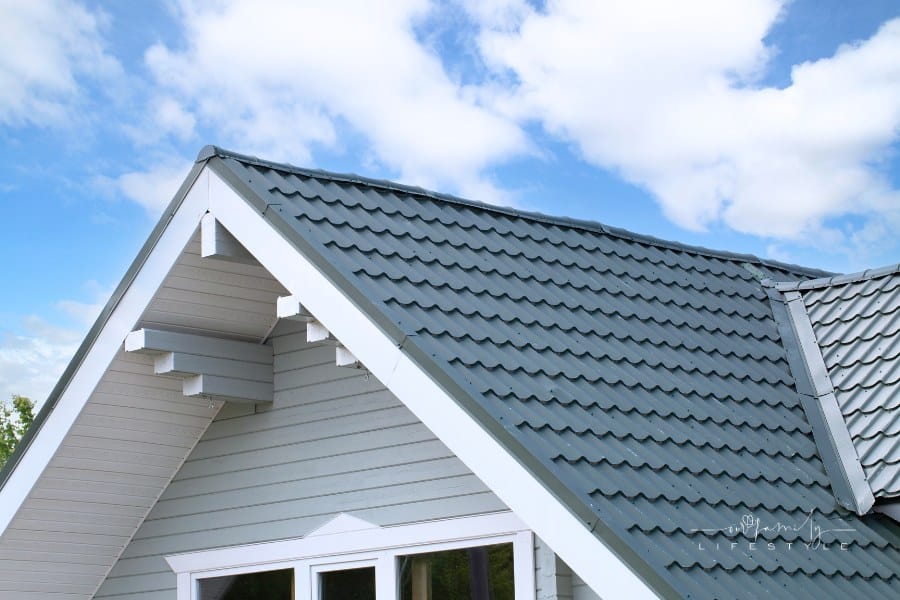
Metal roofing systems offer exceptional performance during severe weather events. When properly installed, these systems withstand wind speeds exceeding 140 mph.
The smooth surface allows rain and hail to slide off rather than causing damage. Metal panels interlock securely to create a continuous shield against water infiltration.
A reputable roofing company can customize metal systems for any architectural style while maximizing their protective qualities.
Through innovative installation methods, traditional slate and clay tiles gain modern storm resistance. Engineers have developed specialized attachment systems that dramatically increase wind resistance.
Reinforced underlayment materials create a secondary water barrier beneath these tiles. Advanced adhesives bond tiles more securely than conventional methods.
The weight and durability of these materials provide excellent protection against flying debris and extreme weather conditions.
These impact-resistant options transform vulnerable roof surfaces into resilient shields that protect everything beneath them.
Advanced Waterproofing Technologies
Water infiltration causes the most extensive damage after storms. Self-adhering waterproof underlayment creates an impenetrable barrier beneath your primary roofing material.
These innovative sheets bond directly to the roof deck and seal around nails or fasteners. The flexible material conforms to irregular surfaces and prevents water migration even when surface materials sustain damage.
Seamless roofing membranes transform vulnerable flat and low-slope roofs into waterproof shields. Traditional approaches relied on multiple pieces joined together with seams that often failed during heavy rain.
Modern membranes eliminate these weak points. These systems apply as a single continuous layer across the entire roof surface. The result creates water protection without joints or connections that can separate over time.
Water-repellent coatings add an extra dimension of moisture protection to various roofing materials—these specialized formulations bond at the molecular level with roofing surfaces, so rain beads up and runs off rather than penetrating the material.
These treatments enhance the performance of existing roofing without requiring complete replacement.
What would it mean for your home to stay completely dry inside, even during the most punishing rainstorms? These advanced waterproofing technologies turn that possibility into reality for countless property owners.
Wind-Resistant Roof Designs
High winds pose a serious threat to conventional roofing systems. Interlocking shingle systems combat this danger through sophisticated engineering that creates a unified surface.
These innovative shingles lock together along all edges rather than simply overlapping.
The continuous connection distributes wind force across the entire roof instead of allowing it to concentrate on individual pieces. Storms that would peel away traditional materials leave these systems intact and functional.
Enhanced fasteners and adhesives revolutionize roof durability during extreme wind events. Modern ring-shank nails provide up to double the holding power of standard roofing nails.
High-performance roofing adhesives create bonds that strengthen over time rather than degrading. A professional roofing contractor applies these products in specific patterns that maximize wind resistance.
The combination creates a secure attachment that withstands hurricane-force gusts that would compromise conventional installations.
Aerodynamic roof designs work with nature's forces rather than fighting against them. Engineers now create roof profiles that channel wind across the surface instead of allowing it to make lifting pressure.
Lower slope angles on the windward side reduce the surface area exposed to direct force. Specialized edge details eliminate the turbulence that often initiates shingle failure.
These architectural approaches complement impact-resistant materials to create genuinely storm-ready roofing systems.
Smart Roofing and Sensor Technology
Modern roofs now incorporate intelligent components that monitor conditions and respond to threats. IoT-based moisture detection systems alert homeowners to potential leaks before visible damage appears.
Tiny sensors embedded throughout the roofing system track moisture levels continuously. These devices connect to your home network and send immediate notifications when they detect unusual conditions.
The early warning allows you to address problems at the first sign of trouble rather than after water damages your interior.
Solar-integrated roofing serves dual purposes in storm-resistant designs. The panels generate clean energy while adding a protective layer to your roof structure, and the rigid mounting systems reinforce the underlying materials against wind uplift.
Manufacturers now produce solar shingles that blend seamlessly with traditional roofing aesthetics.
A roofing expert can evaluate your property for solar integration that enhances energy efficiency and storm resistance. These systems often qualify for tax incentives that reduce installation costs.
Self-healing materials represent the cutting edge of roofing innovation. These advanced compounds contain capsules of repair agents that activate when cracks form.
Minor damage triggers a chemical reaction that automatically fills and seals the compromised area. The technology prevents minor issues from developing into serious problems during subsequent storms.
Several manufacturers now offer these materials in residential applications after successful testing in commercial environments.
Would you sleep better knowing your roof actively protects itself and alerts you to problems? Innovative roofing technology provides peace of mind that passive systems simply cannot match.
Best Practices for Weatherproof Roofing Installation
Proper Roof Ventilation and Drainage
Water management systems play a crucial role in storm protection. Properly sized gutters capture rainfall and direct it away from your foundation.
Downspouts positioned at strategic locations prevent water from pooling around your home. These components work together as your first defense against water damage during severe storms.
Ventilation creates a balanced airflow that extends the roof's lifespan and enhances performance during extreme weather.
Ridge vents allow hot air to escape from the highest point of your roof, while soffit vents draw in cooler replacement air from the eaves. Most homes require one square foot of ventilation for every 150 square feet of attic space.
Choosing the Right Roofing for Your Climate
Climate-specific roofing selections dramatically improve storm resistance. Hurricane-prone regions benefit from metal roofing with enhanced fastening systems and wind-rated underlayment.
Snowy regions require roofing that can withstand freeze-thaw cycles and heavy loads. Reinforced asphalt shingles with algae resistance perform well in these conditions, and metal roofing with snow guards prevents dangerous snow slides.
Heavy-rain regions need roofing systems with exceptional drainage features. High-profile tiles and textured materials create channels for water flow.
Enhanced underlayment with self-sealing properties provides backup protection during driving rain. These systems often incorporate unique flashing details around roof penetrations where leaks typically begin.
Regular Inspections and Maintenance
Prevention costs less than emergency repairs. Regular roof inspections identify minor issues before they escalate into major problems.
Professional assessments should occur at least annually and after significant storms. The inspector examines all components, including flashing, vents, and attachment points.
Minor repairs address vulnerabilities before storm damage occurs. Replacing isolated damaged shingles prevents progressive failure during high winds.
Resealing flashing around chimneys and vents stops water entry at common leak points. Clearing debris from valleys and gutters maintains proper drainage during heavy rainfall.
This simple preventive measure could save thousands in potential storm damage. Your home deserves the protection that comes from proactive maintenance and climate-appropriate materials.