

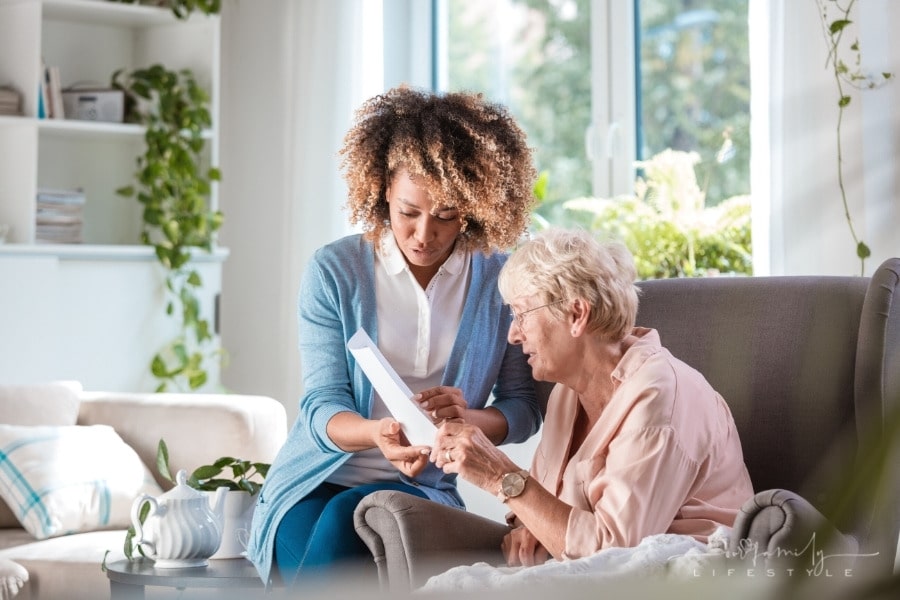
As a growing demographic, the elderly face a common situation as they age — what is the best way to care for aging parents?
As more patients search for high-quality, cost-effective, and compassionate care solutions, this home care vs nursing home debate is becoming more and more relevant.
Families are realizing that enabling seniors to age in place, where they feel the most at ease, paired with individual support adapted to their needs, is the most humane solution.
Cost, convenience, and the caliber of care offered are also significant drivers behind this transition.

Understanding In-Home Care and Nursing Homes
To get started, it’s important to understand what each type of care involves before you can decide on the right type for you.
| In-Home Care | Nursing Homes |
|---|---|
| Home care is one-on-one assistance for seniors who are living at home. | Nursing homes provide 24-hour care for older people who need constant supervision and assistance. |
| Caregivers can be relatives or hired workers who help people with bathing, cooking, reminders to take medications, and companionship. | These are facilities where multiple patients stay, and trained personnel help in medical care, rehabilitation of patients, and assist in daily living activities. |
| At-home care is intended to help seniors remain independent for as long as possible while also receiving the healthcare they need. | Nursing homes are usually advised for people who are very ill or need round-the-clock monitoring. |
One important contrast between in-home care and nursing homes is how much freedom they provide them. In-home care promotes senior independence and allows them to remain active in their routine.
Nursing homes, by contrast, offer highly regulated settings that can curtail autonomy but guarantee regular professional medical oversight.
Benefits of Choosing In-Home Care Over Nursing Homes
Choosing in-home care offers several advantages that significantly improve the quality of life for seniors. Here are some key benefits of in-home care:
- Personalized Care: In-home caregivers devote themselves specifically to the individual’s needs. This leads to improved care quality and a higher quality of life for the older adult.
- Comfort of Home: Aging in place provides emotional and psychological benefits. The familiar environment and memories that fill the home allow seniors to feel safe and comfortable at home.
- Emotional and Mental Well-being: Older adults who remain in their homes experience lower rates of depression and anxiety when compared to their peers living in nursing home facilities.
Cost Comparison: In-Home Care vs. Nursing Homes
The cost of in-home care vs nursing homes is a significant consideration for families. Below is a breakdown cost comparison of both options:
In-Home Care
As of March 2025, the average starting cost of in-home care in Honolulu, HI, is $24.81 per hour (Care.com). Based on this rate:
- 40 hours per week costs approximately $992.
- 130 hours per month costs around $3,225.
- 24/7 care generally ranges from $4,500 to $5,500 per month, depending on the caregiver’s qualifications and the level of care needed.
Nursing Homes
The cost of nursing home care in Hawaii is significantly higher than in-home care. According to ElderLife Financial, the average monthly cost is:
- $12,167 for a semi-private room
- $12,197 for a private room
- In Honolulu, these rates remain consistent with state averages.
Overall costs can be affected by the level of care required, specific geographic location, and other medical services. For families seeking a cost estimate tailored to their area, Paying for Senior Care is a helpful resource.
Quality of Care: In-Home Care Over Nursing Homes
- Personalized Attention: In-home professional caregivers deliver one-on-one care that ensures care for the senior's needs are promptly met. Staffers in nursing homes tend to serve multiple residents, which can result in slower care and less individualized attention.
- Concerns About Nursing Homes: Even in nursing homes, there is often insufficient staff, which can affect the quality of care. Busy caregivers may not find the time to devote sufficient time and energy to each resident, which can result in neglect or poor care.
- Family Involvement: Having care at home enables families to be closely engaged in the care for their loved one. In nursing homes, visiting hours and the rules of facilities may provide for little direct involvement by family members, making it more challenging to see how their loved one is doing.
Addressing Common Concerns About In-Home Care
- 24/7 Availability: Some in-home care services provide 24/7 care, catering to the fact that seniors are assisted every time. Families can also hire several caregivers or partner with agencies that provide full-time coverage.
- Safety and Security: The home can be modified with grab bars and medical alert systems, which can make it safer. They are also trained to respond to emergencies and create a safe living space for elders.
- Finding Qualified Caregivers: Families can hire caregivers from licensed and insured home care agencies that screen employees and provide training. Again, you can hire independent caregivers, but it takes careful screening and references.
Who Should Choose In-Home Care Over a Nursing Home?
In-home care can be chosen over a nursing home depending on a senior’s needs, health conditions, and available support system. For instance, while some thrive with in-home assistance, others may need the full-time care of a nursing facility.
- Ideal Candidates for In-Home Care
- Seniors who require help with daily activities but not 24/7 supervision.
- Individuals who prefer to remain in a familiar space.
- Older adults with strong family support and involvement.
- When It Is Necessary to Choose Nursing Homes
- Elderly patients with critical or progressive health conditions
- People with dementia or Alzheimer’s who require specialized care.
- Those without family members willing to be caregivers.
Families should assess their loved one’s physical and emotional needs before deciding. A healthcare provider can be a great asset in assessing whether you might be better served at home or in a medical facility.
How to Transition to In-Home Care Successfully
Moving to in-home care is no easy task, but it can be done successfully with proper planning, a suitable caregiver, and a safe living environment.
There are things families can do, proactively, to help ensure a smooth, easy transition.
- Finding the Right Caregiver: Make sure caregivers have valid certifications, such as CPR and First-Aid, and perform detailed background checks. When interviewing, evaluate their experience, training, how they respond to emergencies, and their suitability for the senior.
- Creating a Safe and Comfortable Home Environment: Falls can be avoided with grab bars, good lighting, secured rugs, and modifying key areas for accessibility. The home should be equipped with necessary medical supplies and mobility aids, such as medications, walkers, and wheelchairs, to meet caregiving needs.
- Ongoing Communication and Supervision: Keep in regular communication with caregivers or through routine check-in visits to ensure the senior is well. Revise care plans, as needed, to accommodate health status changes, ensuring care continues to be customized to the senior’s changing needs.
Conclusion
Determining whether to choose between in-home care over nursing homes for a senior’s care is an extremely important consideration based on the senior’s needs, wishes, and financial means.
Caring for family members in the home environment has innumerable benefits. Families should assess their loved one’s specific needs in order to make an informed decision that ensures the best overall quality of life for them.