


Supporting an aging parent or family member as their needs evolve is a deeply personal journey, often fraught with emotional complexities and practical challenges.
The universal human desire to maintain dignity and autonomy clashes with the growing imperative of ensuring safety and well-being.
Finding the delicate equilibrium between fostering a loved one’s cherished independence and providing necessary safeguards is paramount.
This intricate balance often necessitates exploring professional support, particularly when considering non-medical home care services.
This article aims to navigate the complexities of in-home support, offering a realistic and compassionate perspective on how families can approach these critical decisions.
We will explore the various levels of care available and emphasize the vital role of open communication and tailored solutions in preserving the quality of life for those we hold dear.
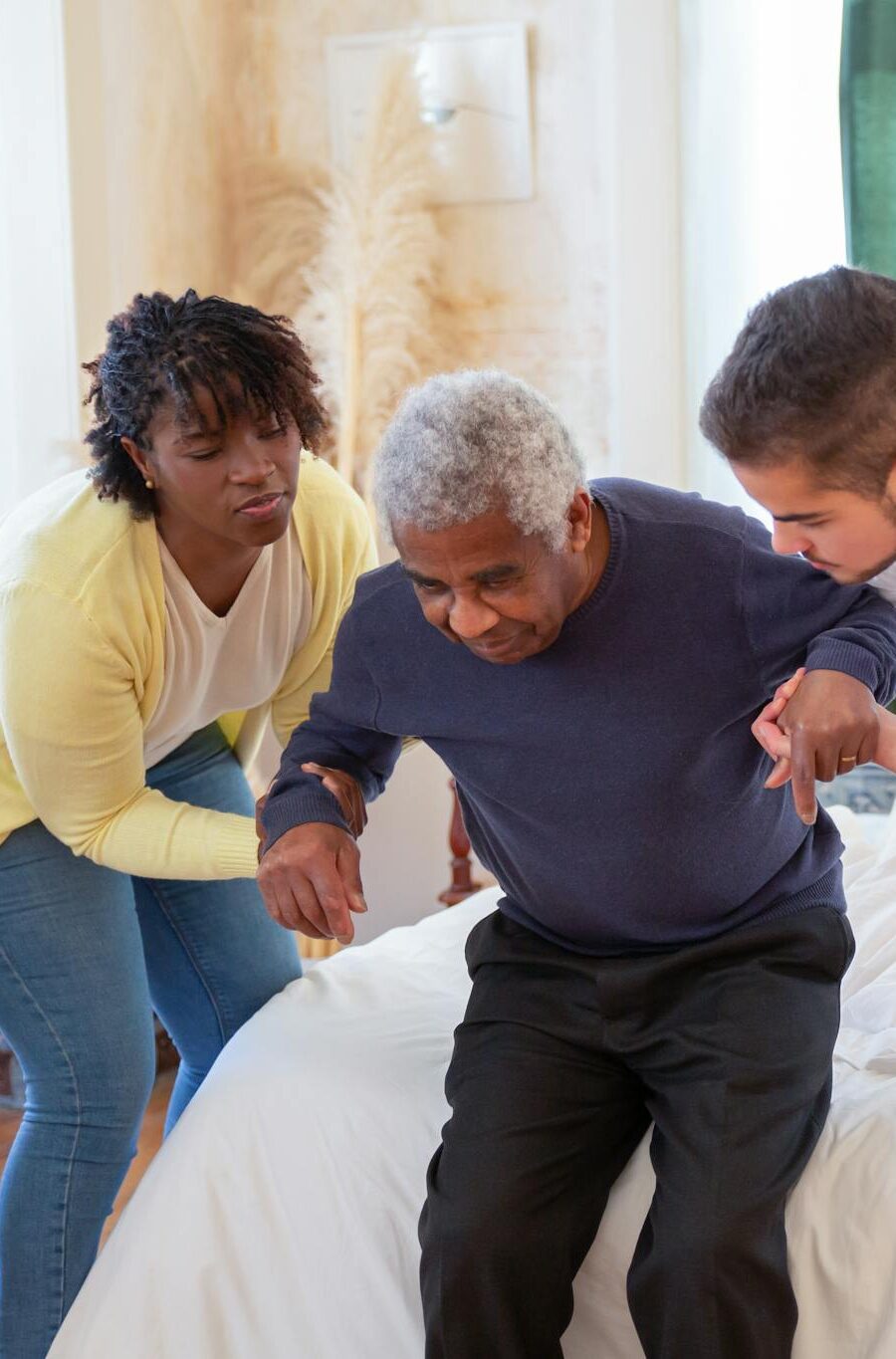
The Evolving Landscape of Needs: Recognizing the Signs
The shift in a loved one’s capabilities rarely happens overnight; it’s typically a gradual unfolding. Families often observe subtle changes that, when viewed in isolation, might seem insignificant.
These could include a sudden difficulty managing finances, a slight neglect of personal hygiene, or an increasing forgetfulness regarding appointments and medications.
These early indicators are crucial signals, often preceding more pronounced challenges that might necessitate more formal intervention.
It’s important to distinguish between cognitive declines, such as short-term memory loss or challenges with executive functions like planning, and physical limitations impacting mobility, strength, or balance. Initiating conversations about these changes can be daunting.
Rather than confronting, approaching these discussions with empathy and a collaborative spirit, focusing on solutions that enhance their comfort and safety, is vital.
Recognizing these evolving needs early helps families determine if professional assistance, such as non-medical home care services, would genuinely benefit their loved one’s daily life, offering support before a crisis point is reached.
The Spectrum of In-Home Support: Tailoring Solutions
Once the need for assistance becomes clear, families often wonder about the practical steps. In-home support exists along a continuum, beginning with the informal help generously offered by family and friends—a ride to an appointment, a shared meal, or assistance with groceries.
However, as needs become more consistent or complex, professional intervention often becomes necessary. This is where non-medical home care services enter the picture.
These services encompass a wide range of support designed to help individuals maintain their daily routines and personal autonomy within the comfort of their own homes.
This can include assistance with activities of daily living (ADLs) such as bathing, dressing, and grooming, as well as meal preparation, light housekeeping, medication reminders, and vital companionship.
These services are specifically tailored to promote independence, allowing individuals to continue living their lives on their terms for as long as safely possible.
Beyond human assistance, technology also plays a significant role, with smart home devices, personal emergency response systems, and automated medication dispensers adding layers of safety and peace of mind without compromising a loved one's sense of control.
When Clinical Needs Arise: Understanding Skilled Nursing Care at Home
While non-medical home care services are invaluable for daily support, there are times when medical conditions necessitate a higher level of professional expertise. Families must understand the distinction between general assistance and clinical care.
When a loved one requires medical interventions that go beyond basic personal care, such as wound care, injections, catheter management, or complex medication administration, then skilled nursing care at home becomes essential.
These services are provided by licensed nurses (RNs or LPNs) who are trained to handle a wide array of clinical tasks. This can also include managing chronic diseases like diabetes or heart conditions, providing post-operative care, or offering rehabilitation support.
The beauty of receiving skilled nursing in the home environment is the personalized attention and continuity of care that often surpasses what’s possible in a more institutional setting.
These professionals frequently collaborate with physicians, therapists, and other caregivers to create a holistic care plan, ensuring that all aspects of a loved one’s health are addressed comprehensively and seamlessly, promoting recovery and well-being where they feel most comfortable.
Maintaining Dignity and Control: The Power of Open Communication
The journey of providing in-home support is a dynamic process, and at its heart lies the continuous effort to preserve a loved one’s dignity and sense of control.
This means involving them in every possible decision about their care, from scheduling preferences to the types of assistance they receive. Shared decision-making fosters a sense of empowerment, transforming passive recipients into active participants in their own well-being.
Regular check-ins, both with the aging individual and with the caregivers, are essential to ensure the care plan remains aligned with evolving needs and preferences.
Open communication channels with providers, whether they are offering non-medical home care services or more specialized skilled nursing care at home, are vital. This ensures that any concerns are addressed promptly and that the care truly reflects the individual’s desires.
It’s also common for loved ones to initially resist help, fearing a loss of independence.
Approaching this resistance with profound empathy, framing support as a means to maintain their cherished lifestyle rather than a concession, can make all the difference.
The goal is to empower them to live as fully and independently as possible, with safety as a supportive foundation.
Conclusion
Navigating the complexities of supporting aging loved ones in their homes is a profound act of care, requiring a delicate balance between their cherished independence and the absolute necessity of their safety.
This journey is not about imposing solutions, but rather about creating a tailored environment where dignity, comfort, and well-being can flourish.
By understanding the evolving nature of their needs, exploring the comprehensive spectrum of available in-home support—from personal care assistance to specialized medical interventions like those offered by providers such as Apex Home Care—and choosing compassionate, professional partners, families can create a supportive framework.
Ultimately, the aim is to empower aging individuals to live their lives with purpose and autonomy, ensuring their golden years are characterized by security, respect, and enduring quality of life.