


Probate can be a tough legal process, especially when family relationships are strained. Issues like disputes over wills, feelings of favoritism, and disagreements about managing an estate often bring old conflicts to the surface.
The added grief from losing a loved one can turn minor misunderstandings into major legal battles. To handle these situations successfully, you need more than just legal knowledge; you also need empathy, diplomacy, and good communication.
To manage probate while keeping family conflicts to a minimum, it’s important to follow the legal steps closely while also being aware of the emotional issues involved.
Appointing a trusted executor and encouraging open communication among family members can help prevent small disagreements from turning into costly court fights.
Sometimes, working with a caring lawyer, like an experienced Houston probate lawyer, can be key to protecting both your family relationships and your inherited assets.
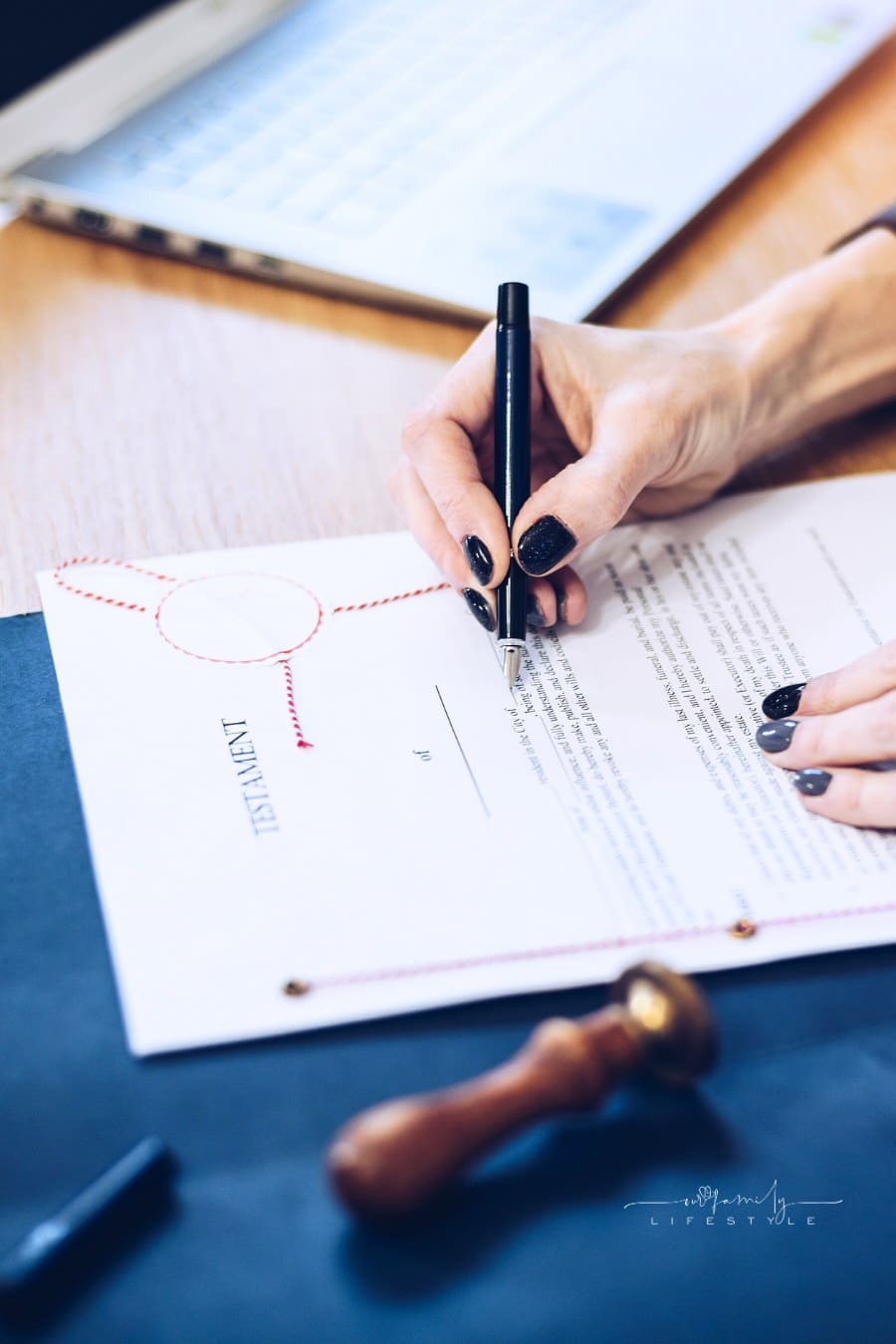
Understanding Probate: What It Is and Why It Can Cause Conflict
Probate is the legal process that verifies a deceased person's will, settles their debts, and distributes the leftover assets to beneficiaries.
While it aims to provide order and oversight, probate often turns into a source of conflict for families already dealing with stress.
Misunderstandings about what the deceased wanted, along with worries about transparency and fairness, often lead to disagreements among heirs.
The emotional impact of probate can be significant. Grief can affect decision-making, and family members may see actions or choices as personal attacks.
For instance, if one sibling is named the executor, others might feel left out or suspicious, even if this role was clearly stated in the will.
When money, property, and unresolved family issues come together, the chances of disagreements increase.
Common Probate Disputes Among Families
Probate can be difficult, especially with high emotions and strained relationships. Disputes often arise even if there is a will, as family members may question its validity or fairness.
Here are common issues that lead to probate conflicts:
- Contested Wills
Disagreements may arise over whether the will accurately reflects the deceased’s true intentions, especially if last-minute changes were made. - Disputes Over Asset Distribution
Family members may challenge how property, financial accounts, or sentimental items are divided, particularly if expectations do not match the legal outcome. - Questions of Mental Capacity
Allegations that the deceased lacked the mental competence to create or revise a will are common, often leading to lengthy legal battles. - Concerns About the Executor
Conflicts often emerge regarding the selection, actions, or integrity of the executor, especially if there are accusations of favoritism, fraud, or mismanagement. - Challenges in Blended Families
Tensions are more likely when stepchildren, former spouses, or new partners are involved, as questions of inheritance and loyalty come into play. - Lack of Clear Documentation
When estate plans are vague or outdated, misunderstandings and conflicting interpretations can turn even minor disagreements into full-blown legal disputes.
The Role of an Executor in Keeping the Peace
The executor of an estate plays a crucial role in navigating both the legal process and the emotional landscape of a grieving family.
A well-informed and neutral executor can help enforce the terms of the will while maintaining transparency and fairness. When chosen wisely, an executor can serve as a stabilizing force during a volatile time.
However, problems often arise when the executor lacks experience, communication skills, or is perceived to have a conflict of interest.
In such cases, working with a trusted legal professional can provide the executor with the guidance they need to carry out their duties properly and fairly, ensuring that the estate is handled efficiently and with minimal drama.
Mediation vs. Litigation: Choosing the Right Path
When probate conflicts escalate, families must decide between mediation and litigation. Mediation offers a private, collaborative environment where parties can work toward a mutually acceptable resolution. It is typically faster, less expensive, and less emotionally draining than taking a case to court.
On the other hand, litigation may be necessary if one party refuses to compromise or if there are allegations of fraud, undue influence, or breach of fiduciary duty.
A skilled Houston probate lawyer can assess the situation and recommend the most appropriate course of action, weighing both the legal merits and emotional implications of each option.
Preventing Problems with a Thoughtful Estate Plan
Many probate conflicts can be avoided entirely with a well-crafted estate plan. Clear, legally sound wills and trusts can eliminate ambiguity and ensure that a person’s wishes are honored.
Including provisions for contingencies—such as what happens if a beneficiary predeceases the testator—can help avoid confusion and conflict later.
Additionally, discussing the estate plan openly with family members while the individual is still alive can reduce surprises and minimize suspicion.
Although these conversations can be uncomfortable, they often prevent much larger conflicts down the road. A proactive approach to estate planning pays dividends in both legal clarity and family harmony.
How to Communicate Effectively During Probate
Open, respectful communication is key to preventing misunderstandings and reducing tension during the probate process.
Families should strive to share updates regularly and create opportunities for everyone to ask questions and express concerns. This fosters transparency and helps all parties feel heard and included.
When communication begins to break down, bringing in a neutral third party, such as a mediator or legal advisor, can help restore order.
It’s also important to be mindful of tone and timing. Addressing issues with patience and empathy, rather than hostility, often leads to more constructive outcomes.
Red Flags That Suggest You Need Legal Help
Not all probate matters require litigation, but certain warning signs indicate it’s time to consult a lawyer.
These include contested wills, allegations of undue influence, missing or mismanaged assets, and prolonged disagreements between heirs. If any of these red flags emerge, professional legal guidance is critical.
An experienced Houston probate lawyer can step in to protect your rights, mediate disputes, and ensure the estate is handled in accordance with Texas law.
Their objective viewpoint and deep understanding of probate litigation can help de-escalate family tensions while safeguarding the estate's integrity.
Working with a Probate Lawyer to Protect Relationships
Hiring a probate lawyer gives you legal help and a buffer to maintain fragile family relationships. A good attorney acts as a neutral mediator, keeping the focus on facts rather than emotions. This can lead to a quicker resolution.
Choosing the right lawyer is crucial. Look for someone with strong legal skills and emotional intelligence. The right Houston probate lawyer can guide your family through this difficult time with care and clarity.