


Family life doesn't happen in neat little compartments. Instead, it’s a simultaneous blur of cooking dinner, checking homework, and managing a toddler’s playtime. This chaotic reality is exactly why open-plan living is a popular option for busy New Zealand households. This design isn’t just popular because it looks good in magazines, but also because it matches the reality of modern life and makes everyday routines easier.
After all, modern parenting requires a “command center” approach. An open-plan design delivers just that because it literally and metaphorically dissolves the walls that stand in the way of daily life.
Whether you’re about to break ground for a new house or planning to renovate your current home, here’s a look at why builders Dunedin residents rely on for residential projects advocate for the flow and flexibility of an open-concept floor plan.
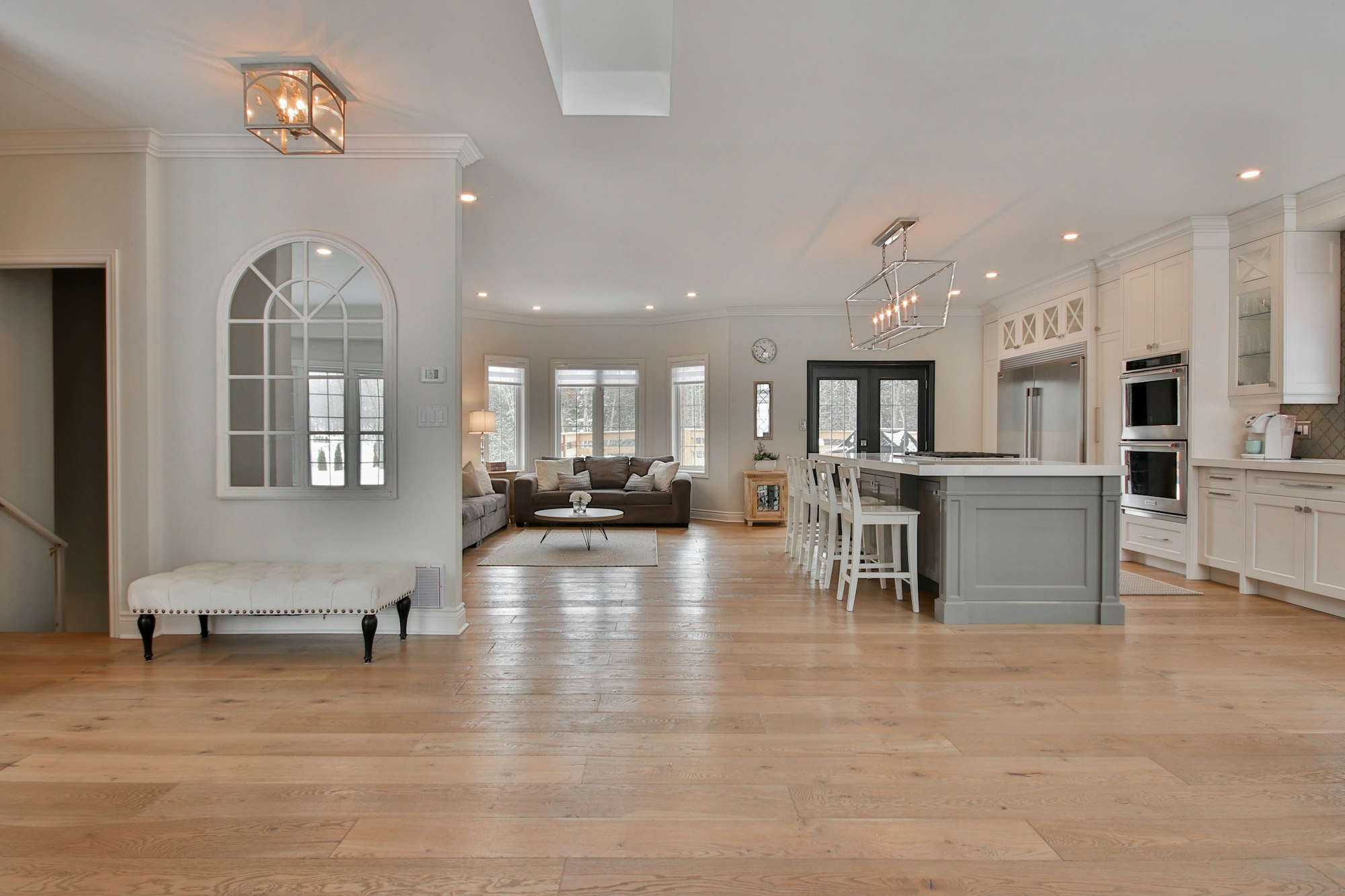
1. Everyday Life Flows More Easily
One of the first things you notice in a good open-plan home is how easily you move through it. You’re not weaving through hallways or opening and closing doors all day. Instead, the kitchen, dining, and living areas connect in a way that feels intuitive.
This really shows during the busiest parts of the day. Mornings run more smoothly when you can make school lunches, supervise breakfast, and keep everyone moving without backtracking through the house. In the evening, you’re cooking while still being part of family life rather than tucked away behind a wall.
That sense of flow, however, depends on more than just removing walls. The placement of key elements matters as well. For instance, an oversized kitchen island or poorly positioned sofa can interrupt movement just as much as a hallway would. In the best open-plan homes, walkways are clear and natural, even when the space is full of people.
2. One Space Can Handle Multiple Roles
Open-plan living shines when it comes to flexibility. For example, the dining table becomes a place for breakfast, homework, and evening meals without feeling overworked. Living areas can also shift easily from play zones during the day to quieter spaces at night.
This adaptability is one of the reasons open-plan homes age well with Kiwi families. As routines change and children grow, the space doesn’t need major structural changes. Small adjustments in furniture layout or storage often do the trick.
Behind the scenes, the homes that function best are the ones that were planned for real use from the start. For example, because everything is on display in an open layout, clutter becomes visible very quickly. However, a well-designed open-plan home quietly absorbs everyday mess with built-in storage, so the space stays functional without feeling busy.
3. Connection Happens Naturally
Open-plan homes make it easier to be together without needing to be crammed in one corner of the house. You can cook dinner and still hear about your child’s day from the lounge, allowing you to be present without hovering— a balance many parents are looking for. Or, you can host friends without missing half the conversation since you don’t need to move from one area to another just to set things up.
Of course, openness also changes how sound moves through the house. With no barriers, the noise level can become unmanageable. To fix this, you can use rugs, curtains, and upholstered furniture to help absorb sound and prevent the space from feeling echoey or overwhelming.
4. Clear Sightlines Bring Calm
Visibility is one of the quieter benefits of open-plan living, but it’s often the one families appreciate most. Being able to see what’s going on without stopping what you’re doing creates a sense of ease that’s hard to replicate in more segmented homes.
Small children especially benefit from this. Knowing a parent is nearby, even if they’re not right beside them, helps children feel secure while still giving them room to play independently.
This sense of connection depends a lot on orientation. For instance, kitchens that face into the living area naturally support supervision and interaction. On the other hand, when the main workspaces turn their backs on family areas, the layout can technically be open while still feeling disconnected. The best designs, therefore, are those that keep you visually engaged with the rest of the home, even during practical tasks.
5. Light and Air Transform the Space
Open-plan homes tend to feel brighter and more welcoming because light can travel further without walls blocking it. This can completely change how the house feels to live in, especially during the dark winters of the Otago region.
Airflow improves in much the same way. When spaces connect, air moves more freely, helping regulate temperature and keeping the home comfortable throughout the day.
6. The Space Feels Bigger
Even when the floor area stays the same, open-plan homes often feel larger. Without visual barriers, your eye can move across the space, making everything feel lighter and more breathable. But that sense of openness works best when the space still has definition. Subtle cues like changes in lighting, ceiling treatments, or flooring help your brain understand where one area ends and another begins. Without these signals, a large open room can start to feel undefined and slightly chaotic rather than spacious.
This is also why well-designed open-plan homes strike a balance. They avoid unnecessary walls while still giving each area a sense of purpose, which makes the space easier to use and more comfortable to stay in.
Build a Home That Supports a Busy Family Life
Open-plan living is about creating a home that supports the way families actually live today. When it’s designed with intention, it brings together flow, flexibility, and connection in a way that reduces daily friction. With everything working seamlessly together, the house stops demanding attention and starts supporting the rhythm of everyday life.