

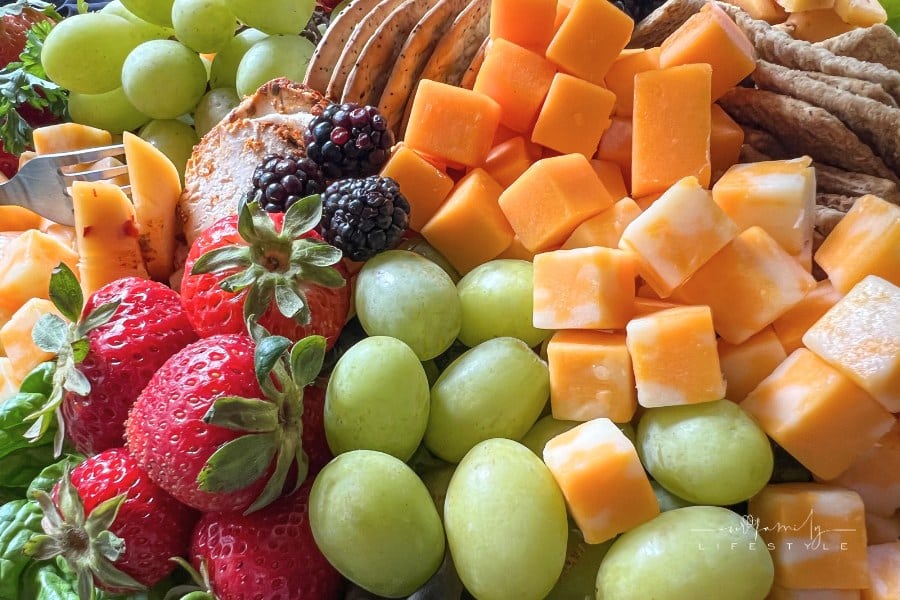
Choosing the right snacks can significantly influence the effectiveness of orthodontic treatment. Soft and nutritious snacks protect braces while providing essential nutrients for dental health. Expert insights help guide families in making informed choices during this crucial period.
During orthodontic treatment, maintaining a balanced diet is crucial to support both oral health and overall well-being. Proper nutrition helps in the development and maintenance of strong teeth and gums, which are essential during this transformative period.
By selecting suitable snacks, you ensure that your braces remain intact, minimizing the risk of damage and unnecessary visits to the highland park orthodontist.
A highland park orthodontist often advises patients on dietary choices, emphasizing the importance of a brace-friendly diet to optimize treatment outcomes.
Choosing the right snacks
The selection of braces-friendly snacks is more than just about avoiding hard or sticky foods; it also involves ensuring that these snacks provide adequate nutrition. Choosing the right snacks supports dental health by providing necessary vitamins and minerals that promote healthy teeth and gums.
Snacks that are soft and easy to chew help prevent damage to brackets and wires, reducing the risk of prolonging treatment.
It's important to be mindful of portion sizes as well, as overconsumption can lead to other health concerns. Engaging with dietary habits that focus on softer options ensures both comfort and nutritional adequacy.
Nutritional value is a key consideration when selecting snacks during orthodontic care. Foods rich in calcium and vitamin D are particularly beneficial as they contribute to stronger teeth. Options like cheese or yogurt provide these essential nutrients while being gentle on braces.
Meanwhile, incorporating fiber-rich foods such as soft fruits can aid digestion and overall health. A variety of textures and flavors keeps meals interesting without compromising on orthodontic safety.
Engaging children in snack preparation can be an effective way to encourage healthier eating habits. By involving them in choosing and preparing their own snacks, they become more invested in their dietary choices.
This practice not only fosters independence but also educates them about the importance of nutrition in maintaining their braces and oral health.
Nutritious snack ideas
Yogurt is a versatile snack option that offers both probiotics for gut health and calcium for strong teeth, making it ideal for those with braces. When opting for yogurt, it's best to choose plain varieties to avoid added sugars, which can harm teeth over time.
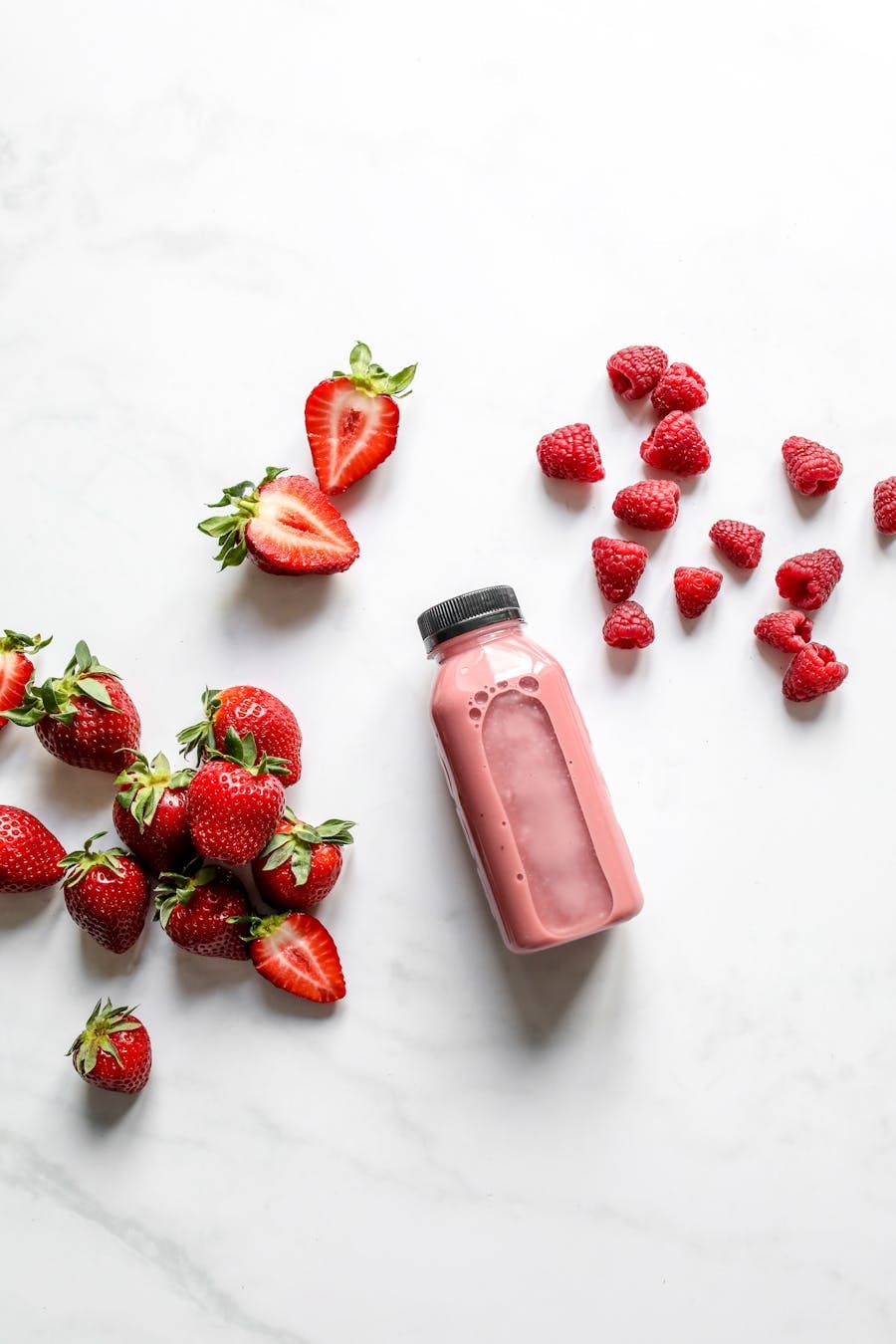
Soft fruits such as bananas or berries are excellent choices; they are not only easy to consume but also packed with vitamins that enhance oral health.
Vegetable sticks made from cucumbers or bell peppers offer a satisfying crunch without risking damage to braces.
These vegetables provide essential nutrients like vitamin C, which plays a critical role in gum health. Pairing these vegetables with hummus adds flavor and protein, making it a well-rounded snack choice.
Incorporating smoothies into your snack routine is another beneficial strategy. Blending fruits like mangoes or peaches with leafy greens creates a nutrient-rich beverage that's easy on the braces while delivering essential vitamins and minerals.
Smoothies can be customized to suit individual preferences while ensuring a balanced intake of nutrients.
This experienced dentist in Little Neck NY adds that cheese is another excellent snack for those with braces. It’s soft, low in sugar, and rich in calcium and phosphorus—nutrients that help strengthen tooth enamel. Plus, cheese can help neutralize acids in the mouth, reducing the risk of cavities and promoting overall dental health.
Avoiding harmful foods
Certain foods pose significant risks to those undergoing orthodontic treatment due to their potential to damage appliances or cause discomfort.
Hard candies and popcorn should be avoided as they can easily break brackets or dislodge wires. Sticky snacks like caramel or gummy bears are equally problematic since they cling to braces, increasing the likelihood of decay.
Sugary foods contribute not only to potential structural issues with braces but also increase the risk of cavities around brackets where thorough cleaning may be challenging. Limiting consumption of such items helps maintain oral hygiene during treatment, ultimately supporting successful outcomes.
Caution should also be exercised with crunchy foods like nuts or chips, which can lead to breakages if consumed carelessly. Adopting a mindful approach when selecting foods ensures that you protect your investment in orthodontic care while enjoying tasty treats that do not compromise appliance integrity.
Professional guidance
Orthodontists provide valuable guidance on maintaining optimal dental health throughout treatment by advising on suitable dietary choices.
A key tip from specialists includes prioritizing hydration alongside nutritious snacking; staying well-hydrated aids saliva production which naturally cleanses teeth between meals.
Regularly brushing after meals and using floss designed specifically for braces helps remove food particles that might otherwise lead to plaque build-up or cavities.
Incorporating routine dental check-ups complements these practices by ensuring any issues are addressed promptly before escalating further.
By understanding the relationship between diet and orthodontic success, patients can better navigate their food choices under professional supervision.
It is this collaborative effort between patient diligence at home combined with expert input that facilitates smooth progress towards achieving beautifully aligned smiles at the end of treatment.