
Want to turn your next hiking adventure into something amazing?
You're not alone. Hiking participation jumped 11.5% in 2022, with 54.4 million Americans hitting the trails. But here's the thing...
Most hikers are walking around with gear that's either completely wrong for them or just plain missing the essentials.
Here's the problem: Bad gear ruins good hikes. It can turn what should be an incredible outdoor experience into a miserable slog of blisters, aches, and frustration.
The good news? Getting your gear right is actually pretty simple once you know what to focus on.
What You'll Discover:
- Why Your Gear Matters More Than You Think
- The Must-Have Essentials That Prevent 90% of Hiking Problems
- How to Choose Gear That Works for YOUR Hiking Style
- Smart Gear Strategies That Save Money and Maximize Performance
Why Your Gear Matters More Than You Think
Let me tell you something that might surprise you...
Falls are responsible for nearly 50% of all fatal and non-fatal accidents during mountain hiking. And guess what's one of the biggest factors in preventing those falls?
Proper gear.
Studies show that hikers who use stabilizing footwear and hiking aids are significantly less likely to experience injuries. We're talking about real, measurable differences in safety outcomes.
But safety isn't the only reason your gear matters. The right equipment can:
- Boost your endurance so you can hike longer distances
- Improve your comfort throughout the entire journey
- Increase your confidence in challenging terrain
- Enhance your overall experience by eliminating common pain points
Think of it this way: you wouldn't run a marathon in flip-flops, right? Hiking deserves the same level of gear consideration.
The Must-Have Essentials That Prevent 90% of Hiking Problems
Here's where most people get it wrong...
They either pack everything they own or forget half the stuff they actually need. Both approaches suck.
Instead, focus on these core essentials that solve the most common hiking problems:
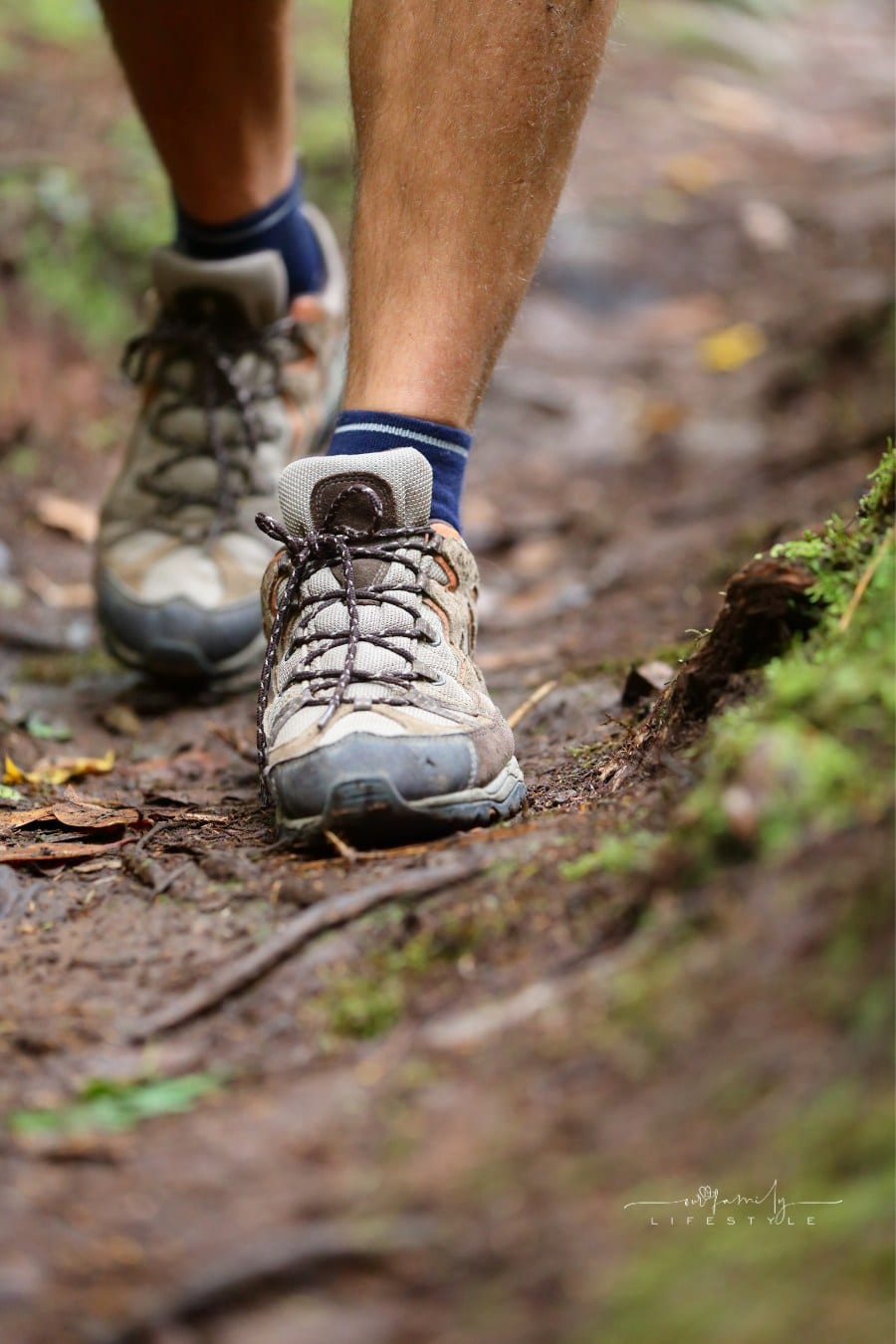
Proper Footwear: Your Foundation for Success
Your feet are going to take a beating out there. Research shows that 64% of long-distance hikers experience foot blisters, making it the most common hiking complaint.
Want to avoid that pain? Start with the right shoes.
Look for hiking boots or shoes that offer:
- Ankle support for uneven terrain
- Good traction to prevent slips and falls
- Proper fit with room for your toes to move
- Breathable materials to keep feet dry
The best approach? Get fitted at a quality sporting goods store where experts can analyze your gait and recommend the right footwear for your specific needs.
Hydration System: Stay Powered Up
Dehydration kills more hiking experiences than bad weather ever will.
Your hydration strategy should include:
- Water bottles or a hydration bladder with at least 3-4 liters of capacity
- Water filtration system for longer hikes
- Electrolyte supplements to replace what you lose through sweat
Here's a pro tip: drink before you're thirsty. By the time you feel thirsty, you're already behind on hydration.
Navigation Tools: Never Get Lost Again
Getting lost isn't just inconvenient—it's dangerous. Always carry:
- Detailed trail maps of your hiking area
- A compass or GPS device as backup navigation
- Emergency whistle for signaling help
- Headlamp or flashlight in case you're out longer than planned
Don't rely on your phone. Cell service disappears fast in the wilderness.
Weather Protection: Be Ready for Anything
Weather changes fast in the mountains. Pack:
- A layered clothing system for temperature changes
- Waterproof jacket for unexpected rain
- Sun protection, including a hat and sunscreen
- An emergency shelter, like a space blanket
The key is versatility. You want gear that adapts to changing conditions.
How to Choose Gear That Works for YOUR Hiking Style
Not all hikers are the same. Your gear should match your hiking style.
Day Hikers: Keep It Simple
If you're doing day hikes under 10 miles, focus on:
- Lightweight, comfortable hiking shoes
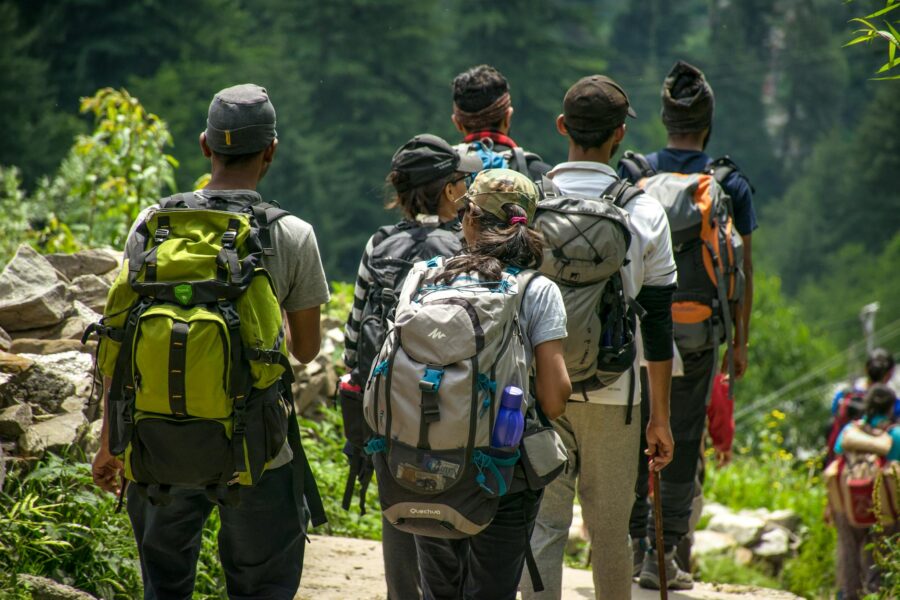
- Small daypack (20-30 liters)
- Basic first aid kit
- Snacks and water for the day
Weekend Warriors: Step Up Your Game
Planning multi-day adventures? You'll need:
- Sturdy hiking boots with ankle support
- Larger backpack (40-60 liters)
- Sleeping system (tent, sleeping bag, pad)
- Cooking equipment and extra food
Serious Trekkers: Go Professional
For long-distance hiking or challenging terrain:
- High-performance hiking boots
- Technical backpack (60+ liters)
- Advanced navigation tools
- Emergency communication device
The gear market is booming for good reason. The global hiking gear market hit $5.97 billion in 2024 and keeps growing because people are discovering how the right equipment improves their experience.
Smart Gear Strategies That Save Money and Maximize Performance
Here's something gear companies don't want you to know...
You don't need to spend a fortune to get quality equipment. But you do need to be smart about it.
Start with the Basics
Build your gear collection gradually:
- Invest in footwear first - this makes the biggest difference
- Get a quality backpack - comfort matters on long hikes
- Add specialty items as you gain experience
Test Before You Trek
Never take untested gear on a big hike. Break in new boots, test your pack fit, and practice with new equipment on shorter trails first.
Studies show that strength training can reduce sports-related injuries by 66%. But the right gear plays a huge role too.
Hikers who don't prepare properly are significantly more likely to experience injuries and have to end their hikes early.
Gear Selection: Quality vs. Quantity
Want to know the biggest mistake new hikers make?
They think more gear equals better hiking. Wrong.
The best hikers pack smart, not heavy. Every item in your pack should serve a purpose. If you can't explain why you need something, leave it at home.
Focus on multi-use items:
- Trekking poles that double as tent poles
- Bandana for first aid, sun protection, or cooling
- Duct tape for emergency repairs
Quality gear might cost more upfront, but it lasts longer and performs better when you need it most.
Safety First: Essential Emergency Gear
Here's something that might save your life...
Most hiking emergencies happen to unprepared people. Equipment shortages are often triggering factors in hiking accidents and fatalities.
Your emergency kit should include:
- First aid supplies for treating injuries
- Emergency shelter for unexpected overnight stays
- Fire starter for warmth and signaling
- Emergency food with extra calories
The goal isn't to carry everything. It's to carry the right things.
Your Next Steps: Building the Perfect Gear Kit
Ready to upgrade your hiking game?
Start with these action steps:
- Assess your current gear - what do you have and what's missing?
- Identify your hiking style - day hikes, weekends, or long-distance?
- Prioritize purchases - footwear and backpack first
- Test everything on shorter hikes before big adventures
Remember: the best gear is the gear you know how to use.
Breaking It All Down
Maximizing your hiking experience starts with the right gear choices. It's not about having the most expensive equipment or carrying the heaviest pack.
It's about understanding what you need and how to use it effectively.
The hiking community is growing fast because people are discovering the incredible benefits of time in nature. The difference between a great hike and a miserable one comes down to preparation and proper equipment.
Start with the essentials: proper footwear, adequate hydration, reliable navigation, and weather protection. Build from there based on your hiking style.
Your gear should enhance your experience, not complicate it. Choose quality over quantity, test before you trek.
The trail is calling. Make sure you're ready to answer with confidence.