

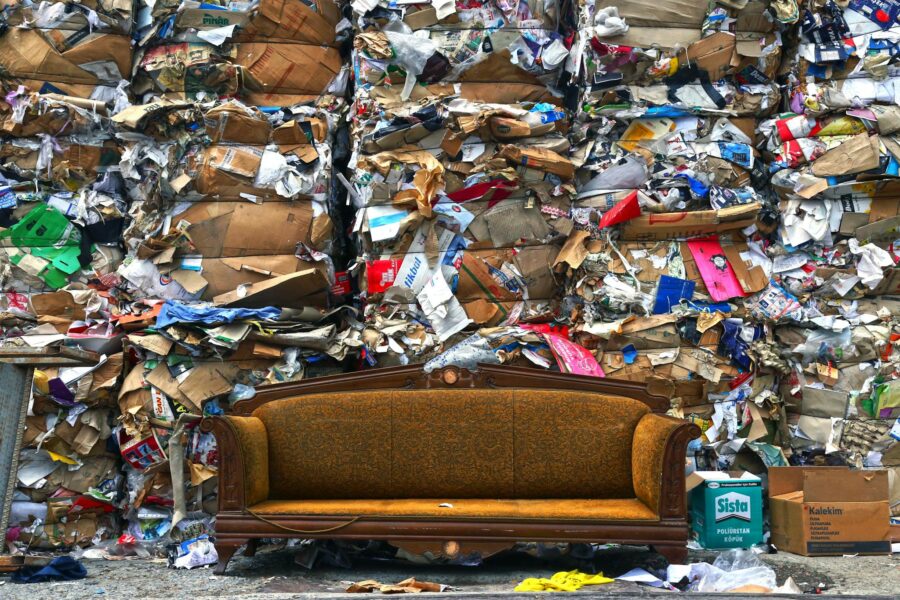
Every day, households, businesses, and industries generate vast amounts of waste. From food scraps to construction debris, the question of where it all ends up is crucial for environmental sustainability.
Understanding the life cycle of waste—from disposal to recycling or landfill—helps us make better choices about waste management.
For those managing large amounts of waste, skip bin hire services play a significant role in ensuring proper disposal.
Let’s explore the journey of waste and how skip bins contribute to an efficient waste management system.
1. Waste Generation: The Starting Point
The life cycle of waste begins with its creation. Waste comes from various sources:
- Household waste – Food scraps, packaging, old furniture, and electronics.
- Commercial waste – Office paper, food waste from restaurants, and retail packaging.
- Industrial waste – Manufacturing byproducts, chemicals, and scrap materials.
- Construction and demolition waste – Bricks, concrete, timber, and metals.
The type of waste determines how it should be handled. Some materials can be recycled, while others may need special treatment or end up in landfills.
2. Collection: Skip Bins and Waste Disposal Services
Once waste is generated, it must be collected and transported to processing facilities. This is where skip bin hire becomes essential.
Skip bins are large, open-top containers designed to hold different types of waste, making them ideal for:
- Home renovations – Collecting rubble, tiles, and timber.
- Commercial cleanouts – Handling office furniture, packaging, and general waste.
- Construction sites – Managing large volumes of debris efficiently.
Skip bin companies provide various bin sizes and types, including:
- General waste skip bins – For mixed household and commercial waste.
- Green waste skip bins – For garden waste like branches and leaves.
- Heavy waste skip bins – For construction materials such as bricks and concrete.
By hiring a skip bin, individuals and businesses ensure that waste is collected in an organized manner, reducing illegal dumping and improving recycling rates.
3. Sorting and Processing: Recycling vs. Landfill
After collection, waste is taken to sorting facilities where it is separated into different categories:
A. Recyclable Waste
Materials like paper, cardboard, glass, plastic, and metals are sent to recycling plants. Here, they are cleaned, shredded, melted, or processed into raw materials for new products. Recycling reduces the need for virgin resources and minimizes environmental impact.
B. Organic Waste
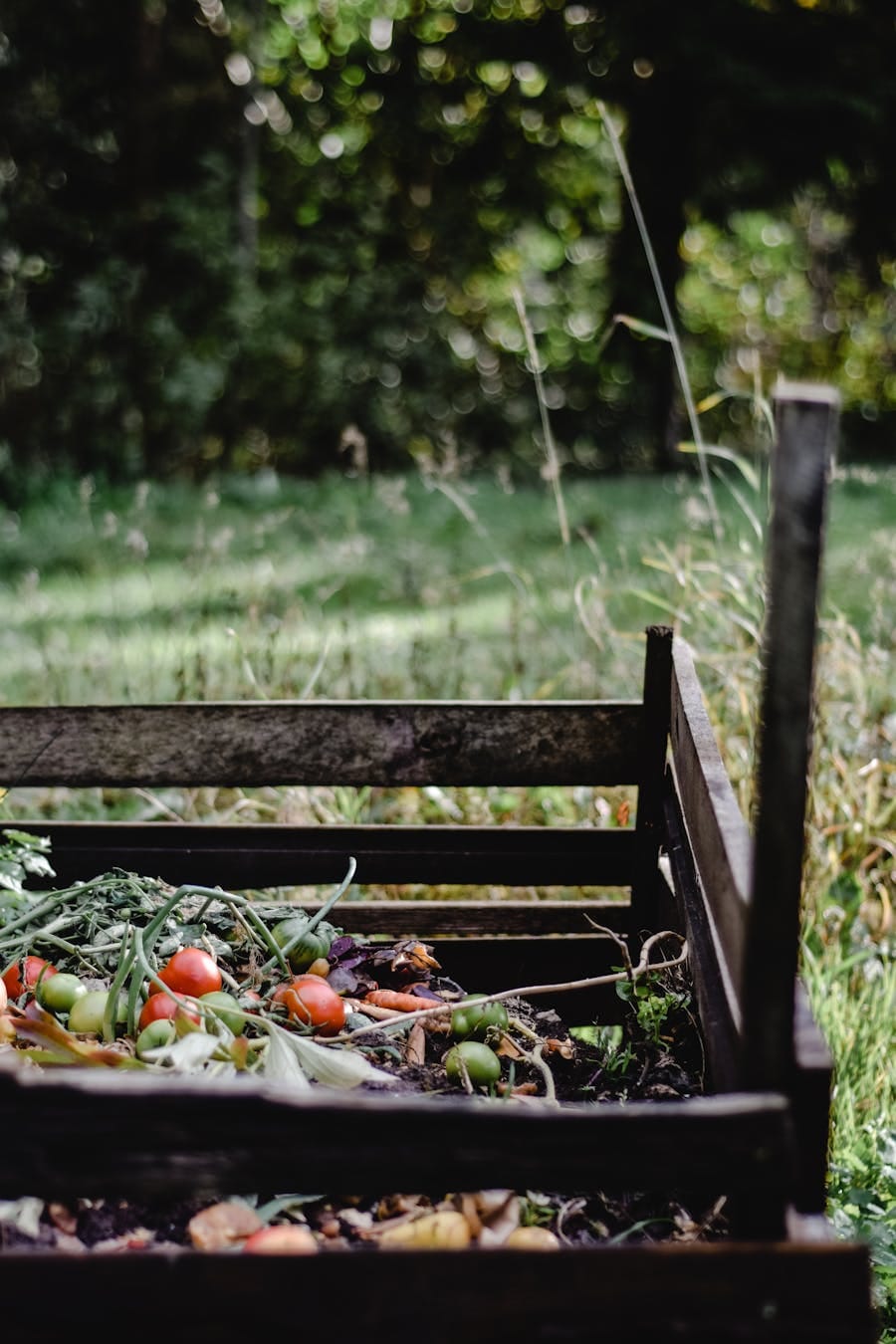
Food scraps, garden waste, and other biodegradable materials can be composted or processed in anaerobic digesters to produce biogas (a renewable energy source) and fertilizer.
C. Hazardous Waste
Batteries, electronics, chemicals, and medical waste require special handling to prevent environmental contamination. These are treated at specialized facilities before safe disposal.
D. Non-Recyclable Waste
Items that cannot be recycled or composted (such as certain plastics and mixed materials) are sent to landfills or waste-to-energy plants. Modern landfills are designed to minimize pollution, with liners to prevent groundwater contamination and systems to capture methane gas.
4. Landfills: The Last Resort
Despite recycling efforts, a significant portion of waste still ends up in landfills. While modern landfills are engineered to be safer than old dumping grounds, they still pose environmental challenges:
- Land use – Large areas are dedicated to waste storage.
- Methane emissions – Decomposing organic waste produces greenhouse gases.
- Leachate contamination – Harmful liquids can seep into soil and water if not managed properly.
To reduce landfill dependency, governments and businesses promote waste reduction, reuse, and recycling initiatives.
5. Waste-to-Energy: Turning Trash into Power
An alternative to landfills is waste-to-energy (WTE) plants, which burn non-recyclable waste to generate electricity.
While this reduces landfill volume, it also raises concerns about air pollution. Advanced filtration systems help mitigate these effects, making WTE a viable option in some regions.
6. The Role of Skip Bin Hire in Sustainable Waste Management
Proper waste segregation at the source is key to maximizing recycling rates. Skip bin hire services contribute by:
- Providing designated bins for different waste types (e.g., green waste, concrete, general waste).
- Ensuring legal disposal – Reputable companies follow regulations, diverting waste from illegal dumping.
- Supporting recycling efforts – Many skip bin providers partner with recycling facilities to minimize landfill contributions.
By choosing the right skip bin size and type, customers can optimize waste disposal, reduce costs, and support eco-friendly practices.
7. How You Can Reduce Waste
While waste management systems handle disposal, individuals and businesses can take steps to minimize waste generation:
- Reduce single-use plastics – Opt for reusable containers and bags.
- Compost organic waste – Turn food scraps into nutrient-rich compost.
- Donate or repurpose items – Furniture, electronics, and clothing can often be reused.
- Choose recyclable materials – Check packaging labels for recyclability.
Conclusion: A Circular Approach to Waste
The life cycle of waste doesn’t have to end in a landfill. Through responsible disposal, recycling, and waste reduction, we can move toward a circular economy, where materials are reused and repurposed instead of discarded
Skip bin hire companies play a crucial role in this process by ensuring efficient and eco-friendly waste collection.
By understanding where our waste goes, we can make informed decisions that benefit both the environment and future generations.
The next time you hire a skip bin or toss something in the trash, remember: waste isn’t just waste—it’s a resource waiting to be reclaimed