

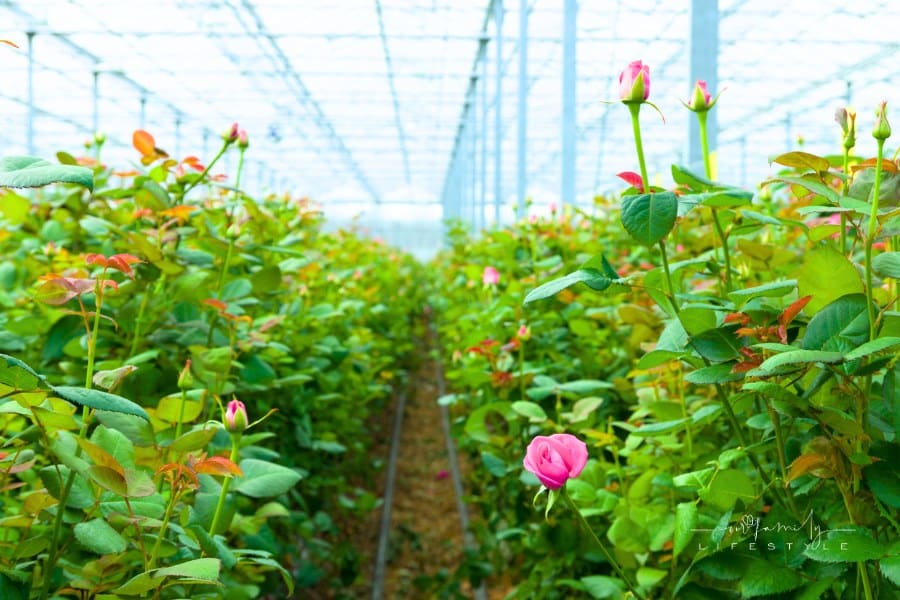
Imagine a world where you can grow fresh produce year-round, regardless of the outside climate.
Modern commercial greenhouse structures are turning this vision into reality, making them game-changers in agricultural innovation and sustainability.
If you’re an agricultural innovator curious about the latest advancements in greenhouse technology, this blog is your ultimate guide.
We'll explore the essential features of these high-tech greenhouses, reveal their benefits, showcase real-world examples, and peek into future trends. Let's cultivate some knowledge!
The New Age of Greenhouse Innovation
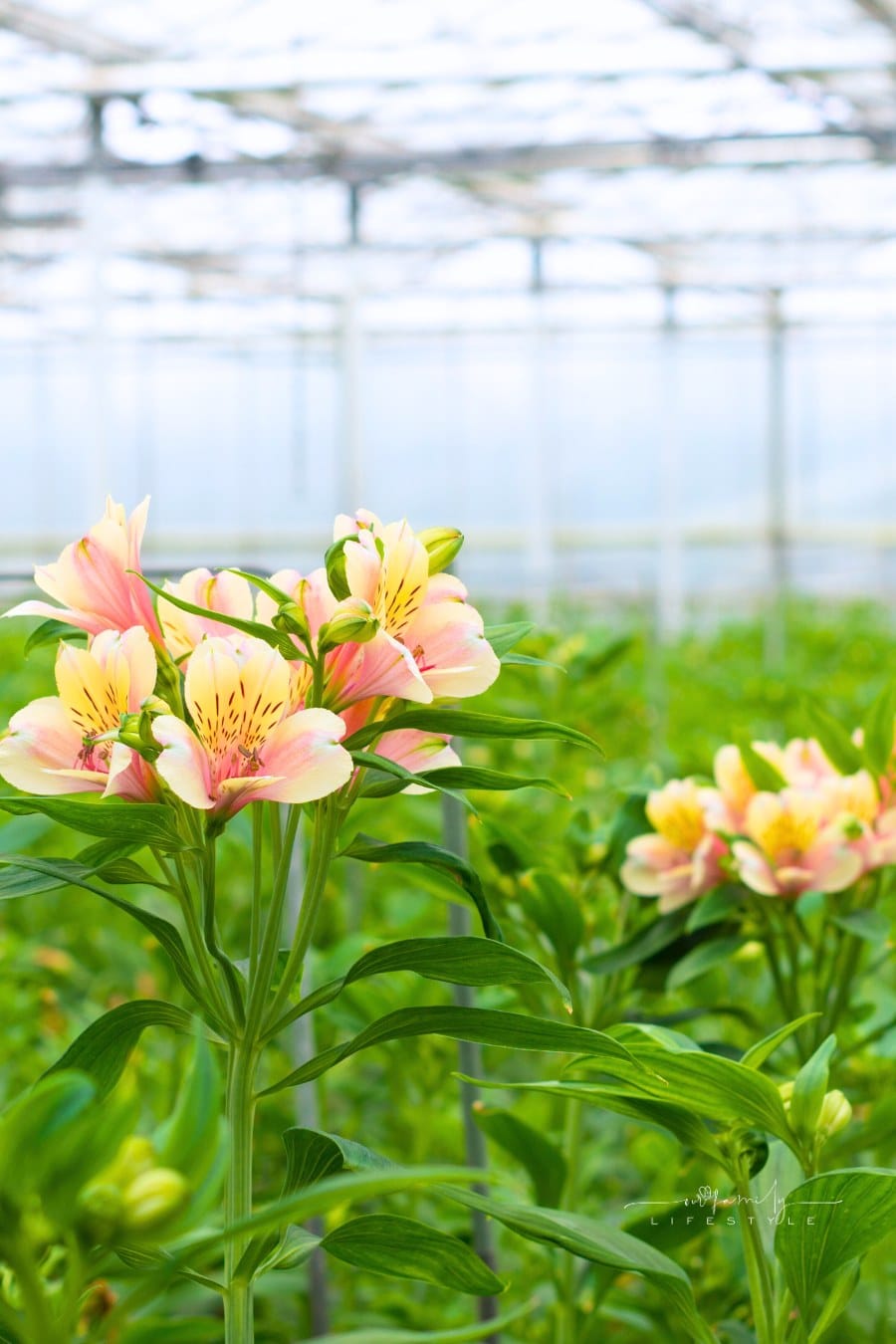
Modern greenhouse structures have revolutionized the way we grow crops.
With the rise of advanced technologies and sustainable practices, they are not just shelters for plants; they are sophisticated systems designed to maximize growth, productivity, and resource efficiency.
Gone are the days when greenhouses were simple glass structures reliant on natural sunlight. Today, they are equipped with state-of-the-art climate control, automation, and data-driven systems.
These innovations have paved the way for a new era in agriculture, where the focus is on optimizing every aspect of the growing process.
Advanced Climate Control Systems
Temperature and Humidity Management
One of the standout features of modern greenhouses is advanced climate control systems.
These systems maintain optimal temperature and humidity levels, ensuring that plants have the best possible environment to thrive.
Using sensors and automated systems, growers can monitor and adjust conditions in real-time.
Light Regulation
Natural sunlight is supplemented with artificial lighting to extend growing seasons and improve crop yields.
LED lights, in particular, offer energy-efficient solutions that mimic the natural spectrum of sunlight, providing plants with the light they need for photosynthesis.
Ventilation and Air Circulation
Effective ventilation and air circulation are crucial for preventing diseases and ensuring healthy plant growth.
Modern greenhouses are designed with automated vents and fans that regulate airflow, maintaining a balanced environment.
Precision Irrigation and Nutrient Management
Drip Irrigation Systems
Precision irrigation systems like drip irrigation ensure that water is delivered directly to the plant roots, minimizing waste and maximizing efficiency.
These systems can be tailored to the specific needs of each crop, providing the right amount of water at the right time.
Fertigation Techniques
Fertigation, the process of delivering nutrients through irrigation, allows for precise control over nutrient application.
This method ensures that plants receive the essential nutrients they need for optimal growth, reducing waste and promoting sustainability.
Soil and Water Sensors
Modern greenhouses are equipped with sensors that monitor soil moisture levels and water quality.
These sensors provide real-time data, allowing growers to make informed decisions about irrigation and nutrient management.
Integrated Pest Management Techniques
Biological Control
Integrated pest management (IPM) focuses on sustainable pest control methods that minimize the use of chemical pesticides. Biological control, which involves introducing natural predators to control pests, is a key component of IPM.
Mechanical and Physical Controls
Mechanical and physical controls, such as traps and barriers, are used to prevent pests from accessing crops. These methods are effective and environmentally friendly, reducing the need for chemical interventions.
Monitoring and Early Detection
Regular monitoring and early detection of pests are essential for effective pest management. Modern greenhouses utilize advanced monitoring systems that detect pest activity early, allowing for timely and targeted interventions.
Automation and Robotics
Automated Planting and Harvesting
Automation and robotics are transforming greenhouse operations. Automated planting and harvesting systems reduce labor costs and increase efficiency, allowing growers to focus on other critical tasks.
Robot-Assisted Crop Care
Robots equipped with cameras and sensors can monitor plant health, identify issues, and perform tasks such as pruning and weeding. These robots enhance precision and consistency in crop care.
Data-Driven Decision Making
Data analytics and machine learning algorithms are used to analyze vast amounts of data collected from sensors and monitoring systems.
This data-driven approach enables growers to make informed decisions, improving crop yields and resource efficiency.
The Benefits of Modern Greenhouse Features
Increased Productivity
Modern greenhouse structures are designed to maximize productivity. With precise control over environmental conditions, irrigation, and pest management, growers can achieve higher yields and better-quality crops.
Resource Efficiency
Advanced technologies in modern greenhouses promote resource efficiency, reducing water and nutrient waste. Sustainable practices such as IPM and automation further enhance efficiency, making greenhouse farming more eco-friendly.
Improved Crop Quality
With optimal growing conditions and precise nutrient management, crops grown in modern greenhouses are often of higher quality. Enhanced flavors, improved nutritional content, and consistent appearance are some of the benefits.
Future Trends in Greenhouse Farming
Sustainable Materials
The future of greenhouse farming lies in sustainability. Innovations in sustainable materials, such as biodegradable plastics and recyclable components, are shaping the next generation of greenhouses.
Energy Efficiency
Energy-efficient technologies, including solar panels and geothermal heating, are becoming more prevalent in greenhouse farming. These technologies reduce energy costs and minimize the environmental impact.
Data-Driven Innovations
The integration of big data and artificial intelligence is set to revolutionize greenhouse farming. Predictive analytics, machine learning, and IoT devices will enable even greater precision and efficiency in crop management.
Modern commercial greenhouse structures are at the forefront of agricultural innovation, driving sustainability and productivity.
By adopting advanced features such as climate control, precision irrigation, and automation, agricultural innovators can achieve remarkable results.
If you're ready to take your greenhouse operations to the next level, explore the latest technologies and stay ahead of the curve.
Remember, continuous learning and adaptation are key to success in the ever-evolving world of agriculture. Happy growing!