
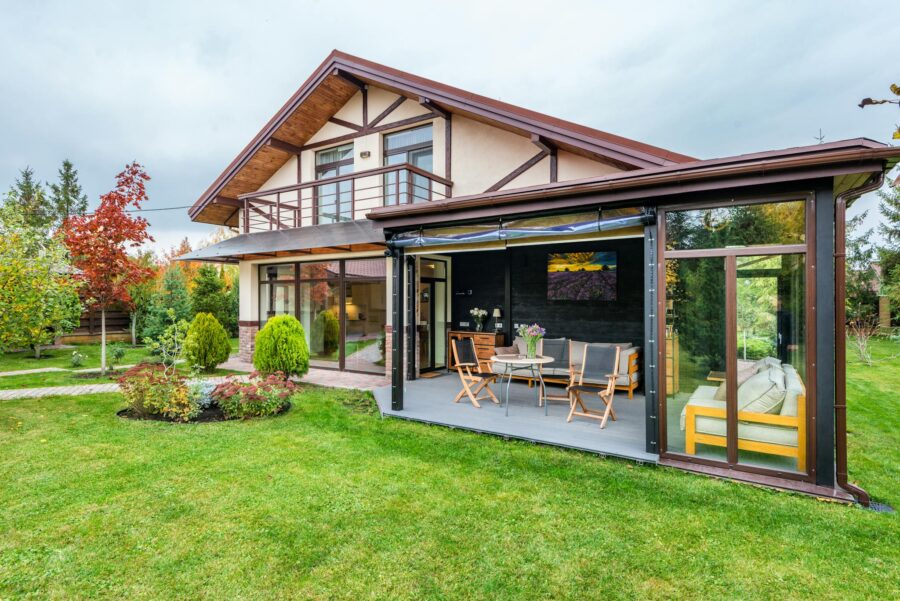
The concept of living space has evolved significantly over the years. No longer confined to the interior of our homes, modern lifestyles are increasingly blending indoor comforts with outdoor experiences.
As homeowners seek more functional, versatile, and enjoyable spaces, the boundaries between indoors and outdoors are becoming less defined.
Today, the backyard is no longer just a place for occasional barbecues or lounging—it’s a true extension of the home.
This transition is more than a trend; it reflects a shift in how people value and utilize their environment.
Outdoor spaces are now being designed with the same attention to detail as interiors, complete with lighting, furniture, and even entertainment systems.
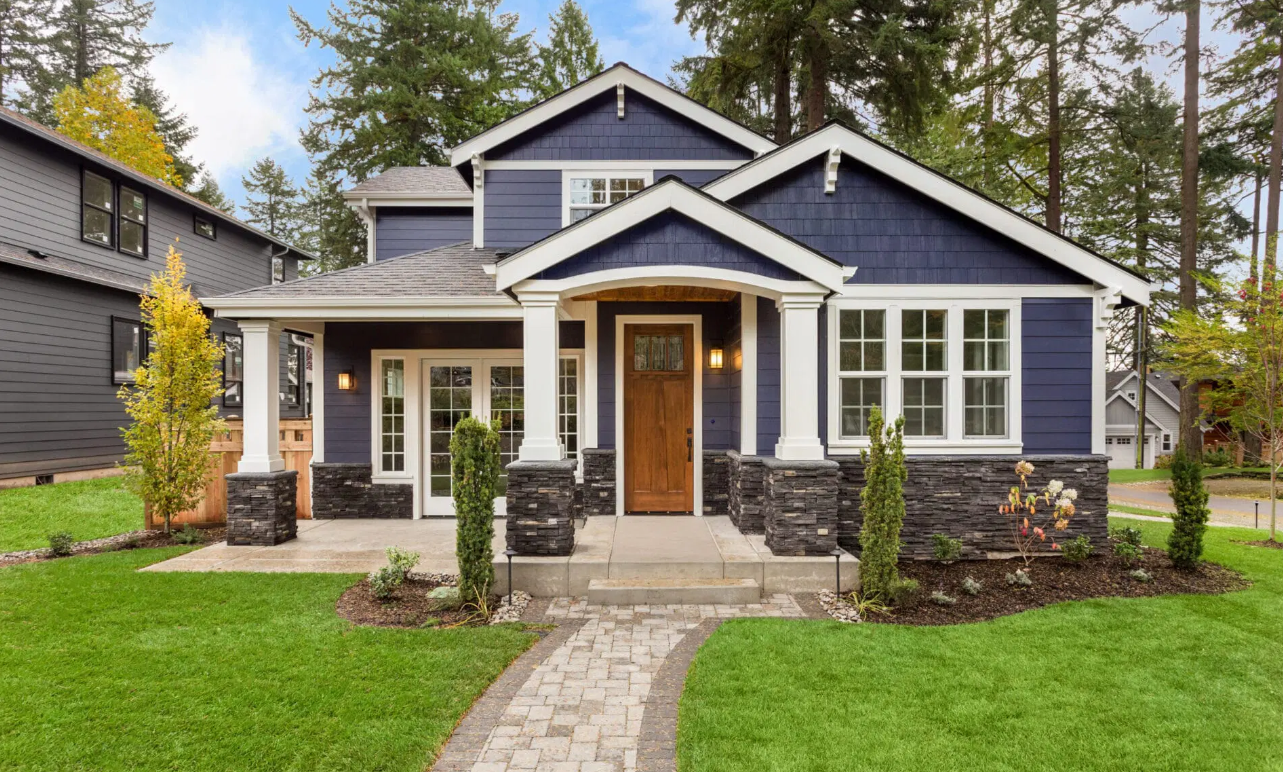
In places like Arlington Heights, Illinois, where residential neighborhoods often feature generous yards and scenic surroundings, this evolution in home design is especially apparent.
Whether it’s a quiet retreat for relaxation or an area designed for hosting guests, the outdoor living area is being reimagined to enhance both lifestyle and property value.
Enhancing Outdoor Functionality with Structure and Design
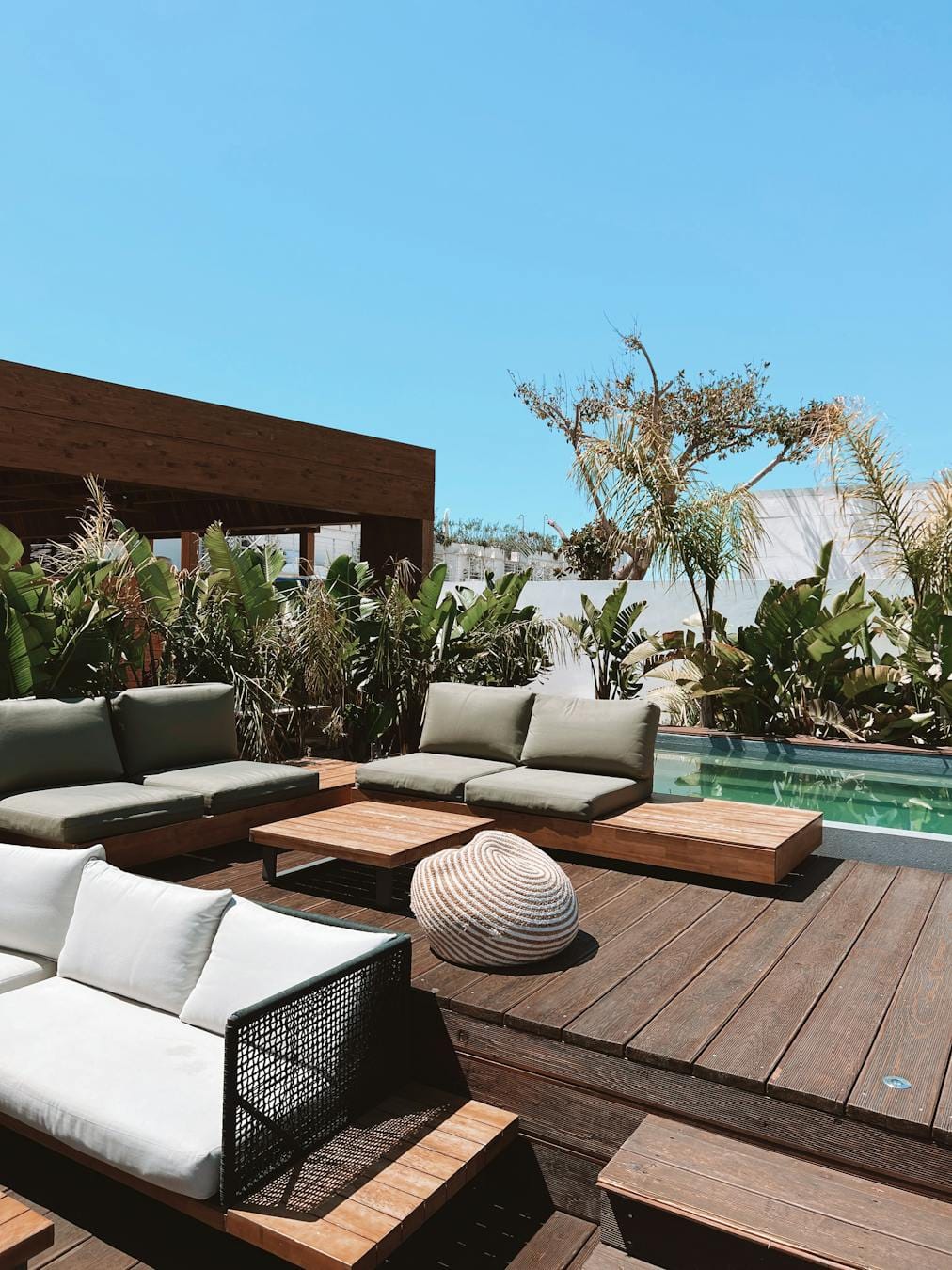
Creating an effective outdoor living area begins with intentional design and well-planned structures. One popular addition that transforms patios and gardens is the pergola.
These open-framework structures offer a blend of shade and openness, making them perfect for defining outdoor seating areas while still maintaining an airy atmosphere.
A pergola can serve as the focal point of a backyard oasis, adding visual appeal and a sense of purpose to the space.
It also introduces practical benefits, such as support for hanging plants, ambient lighting, or retractable canopies for added comfort.
When crafted and installed by professionals, a pergola can significantly elevate the functionality and aesthetics of an outdoor space.
Homeowners often look to experienced providers for this kind of transformation.
A local Arlington Heights pergola company can design and build custom solutions that cater to specific needs—whether that means enhancing a small patio or creating a large outdoor entertainment zone.
With their understanding of materials, climate considerations, and design harmony, such companies ensure seamless integration of new structures into the overall landscape design.
The Rise of Outdoor Kitchens and Dining Areas
As people spend more time at home, outdoor kitchens have become a popular way to enhance the usability of backyards. These spaces go beyond simple grills or firepits.
A well-designed outdoor kitchen might include a built-in grill, refrigerator, prep counter, and even a sink or pizza oven. Together, these elements turn a basic patio into a fully functional cooking and dining experience.
Outdoor dining areas complement these kitchens beautifully. With durable furniture and a thoughtful layout, families can enjoy meals under the open sky, surrounded by nature.
Whether it’s a casual brunch or a full-course dinner, the ambiance of an outdoor setting adds an entirely new layer of enjoyment to meals.
Incorporating weather-resistant materials and smart layouts helps ensure these spaces are not only stylish but also long-lasting.
By using movable or modular elements, homeowners can adjust their setup according to season or occasion. This adaptability makes the outdoor kitchen and dining area a practical and fun extension of the home’s interior culinary space.
Creating Lounging and Relaxation Zones
Not every outdoor space needs to revolve around cooking or entertaining.
Sometimes, what a homeowner truly needs is a retreat—a private haven for rest and recharge. That’s where relaxation zones come in. These areas are designed with comfort as the primary focus.
A lounging space might include plush outdoor sofas, hammocks, or swing chairs complemented by low tables, outdoor rugs, and planters to soften the atmosphere.
Soft lighting through string lights or lanterns adds warmth and ambiance, creating a cozy spot that can be enjoyed both during the day and at night.
For an even more immersive experience, homeowners may choose to incorporate elements like water features or fire pits.
The gentle sound of flowing water or the flicker of a fire can create a calming, meditative vibe that invites longer stays.
Thoughtful placement—such as near a garden bed or beneath a pergola—also enhances the overall sensory experience.
Seamless Indoor-Outdoor Transitions
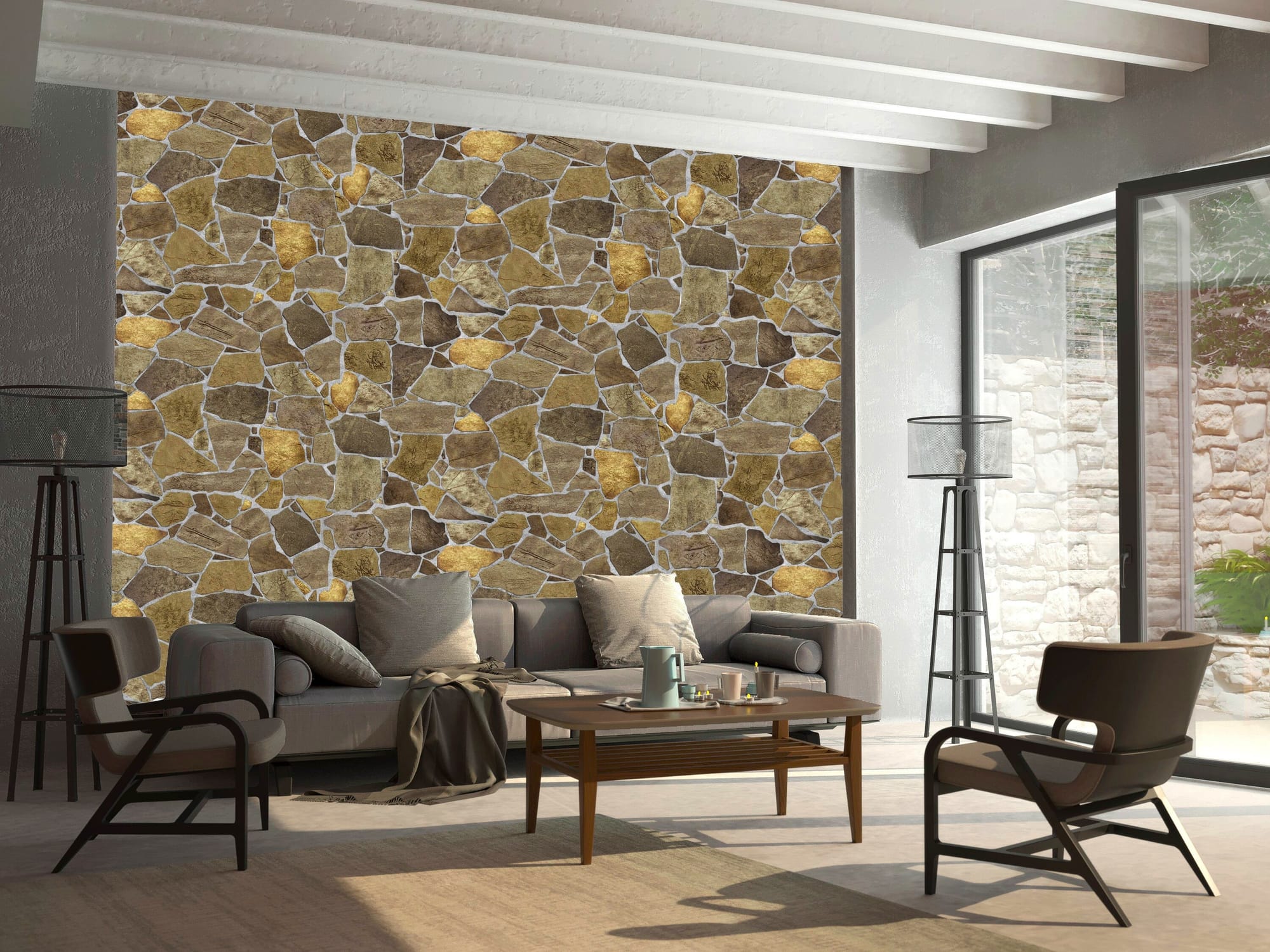
One of the biggest design goals in modern homes is creating a seamless flow between indoor and outdoor spaces.
This is typically achieved through open-plan layouts that lead directly to patios, decks, or backyards via large sliding or folding doors.
These design elements remove visual and physical barriers, making the outdoors feel like a natural continuation of the home’s interior.
To ensure this transition is truly smooth, materials and colors should coordinate across spaces. For example, matching floor finishes or similar hues in furniture can visually tie both environments together.
This cohesion enhances the sense of space and allows both areas to function as one.
It’s also important to consider furniture arrangement and accessibility.
For instance, a living room with a couch facing a large glass door that opens to an outdoor seating area can double the usable living space during gatherings.
In mild weather, the doors can stay open to encourage movement and interaction between both areas.

Smart Technology for Outdoor Living
Outdoor spaces are not exempt from the influence of smart technology. Today, homeowners are using tech to enhance convenience, security, and ambiance in their yards and patios.
Automated lighting systems, for example, allow you to program your outdoor lights to turn on at specific times or change brightness depending on the activity.
Smart speakers or wireless sound systems can bring music and entertainment outdoors without the clutter of cables.
Similarly, outdoor televisions and projectors are becoming common additions for family movie nights or sports events under the stars.
Landscaping as a Functional Element
The foundation of any great outdoor living space lies in the landscaping. Beyond aesthetics, strategic landscaping can define zones, offer privacy, and provide shelter from sun or wind.
For example, tall hedges, trellises, or vertical gardens can act as natural barriers that create a sense of enclosure without the need for walls.
Using trees for shade, choosing drought-resistant plants, and installing raised garden beds can also serve both visual and practical purposes.
The goal is to make the space not just beautiful but functional year-round. Carefully selected greenery enhances the mood of the outdoor environment and can even improve air quality.
Future-Proofing Outdoor Spaces
As outdoor living continues to gain popularity, it's important for homeowners to think long-term. Outdoor spaces should be built with flexibility and future adaptability in mind.
That means using durable materials, modular furniture, and structures that can evolve with the family’s needs.
The redefinition of living spaces is no longer confined to the indoors. Today’s homeowners are looking outward, transforming patios, decks, and gardens into functional, beautiful extensions of their homes.
Through thoughtful design, smart technology, and flexible layouts, outdoor areas can become essential parts of daily life.