
When it comes to enhancing the charm and individuality of a living space, it’s often the subtle details that make the biggest difference.
One such detail is architrave—a design element that elegantly frames doors and windows while adding depth and character to any room.
Far from being a purely functional feature, architrave offers homeowners a chance to introduce architectural interest and refined style throughout the home.
Whether you're renovating a period property or updating a modern interior, the right choice of architrave can transform plain walls into polished spaces with personality.
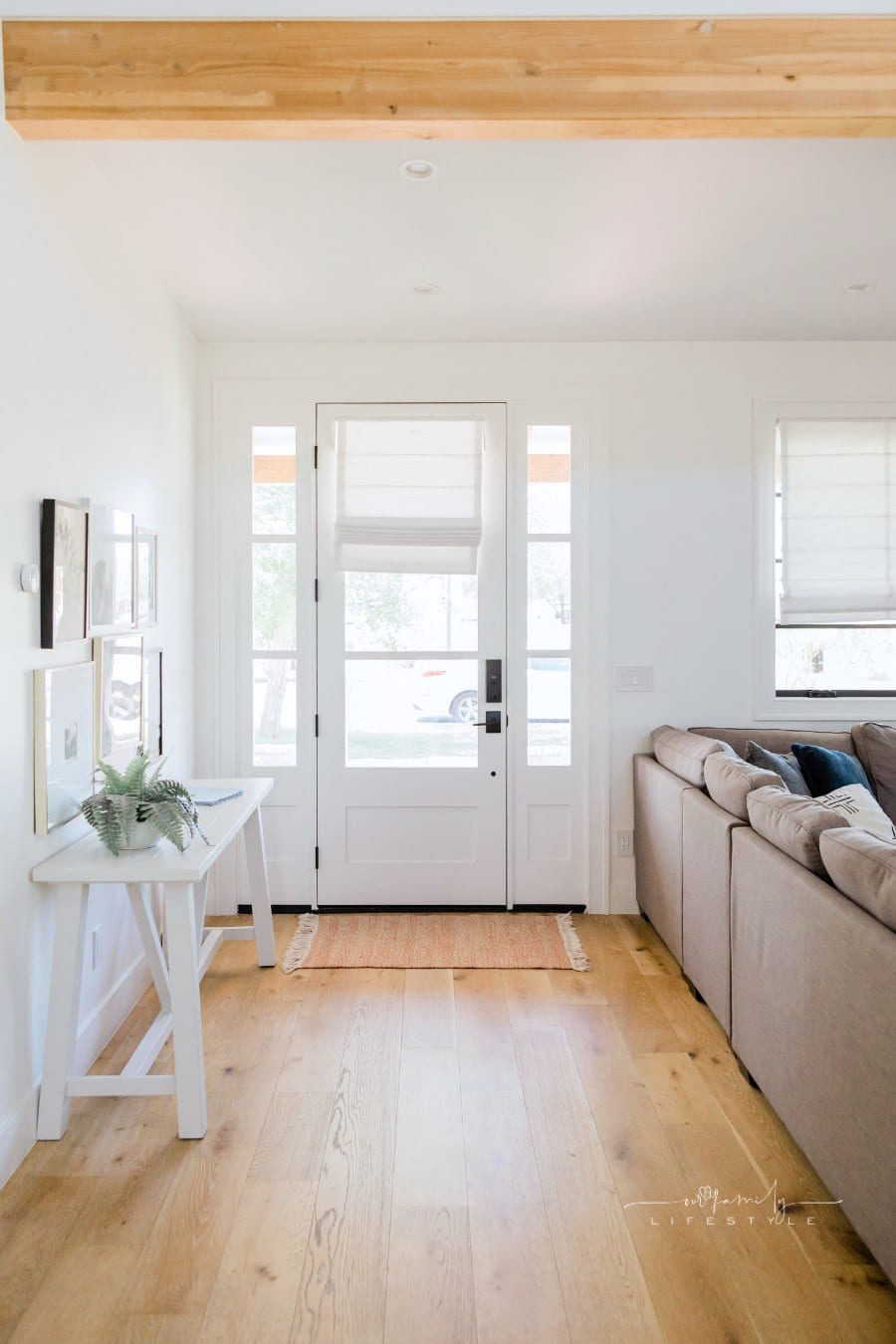
Understanding the Role of Architrave
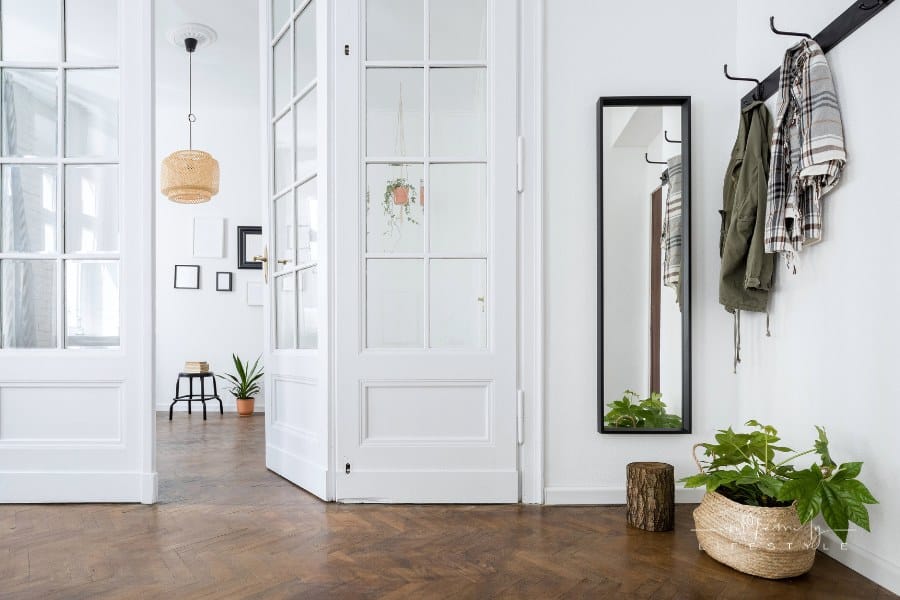
At its core, architrave is a moulding that borders doors, windows, and other structural openings.
Traditionally used to conceal the joint between the wall and door frame, it also serves as a visual anchor, helping to frame a room and guide the eye.
Historically found in classical architecture, architrave has evolved from ornate, carved timber to sleek and minimal profiles suitable for contemporary homes.
Its adaptability makes it a go-to choice for designers and renovators seeking to add subtle sophistication without overpowering a space.
From Georgian grandeur to Scandinavian minimalism, architrave can be styled to suit virtually any interior aesthetic.
Creating Visual Cohesion Across the Home
One of the most compelling reasons to use architrave is its ability to unify a home’s interior.
Repeating the same profile throughout different rooms—perhaps with slight variations in scale—creates a sense of flow and cohesion that ties spaces together harmoniously.
For open-plan layouts in particular, consistent use of architrave helps delineate zones without resorting to structural barriers.
For those looking to establish hierarchy or distinction within a home, layering different styles of architrave can also be effective.
A wider or more detailed profile in the main living areas, for instance, can be paired with slimmer, understated designs in bedrooms or utility spaces.
Materials and Finishes That Make an Impact
Choosing the right material is just as important as selecting the right profile. MDF (medium-density fibreboard) architrave is a popular choice due to its durability, affordability, and smooth finish, which takes paint beautifully.
For homeowners aiming for a timeless look, painted white MDF architrave blends seamlessly into most interiors while allowing for future redecoration with ease.
Those seeking a more tactile or rustic effect might consider natural wood options like oak, which add warmth and authenticity.
For modern and high-end applications, lacquered or even black-stained finishes can bring an element of bold design into otherwise understated spaces.
As noted by the UK’s heritage conservation authority Historic England, retaining or sympathetically updating period mouldings—including architrave—can enhance not just aesthetics but also a home’s long-term value and authenticity.
For listed buildings or traditional homes, this attention to detail is particularly vital.
Styling Tips: Where to Begin
If you’re new to using architectural trim, it’s best to start with one focal point—typically around doors—and then expand. Consider pairing architrave with matching skirting boards for a polished, unified effect.
The height and width of the architrave should be proportional to the ceiling height and room size; overly chunky mouldings in a small space can feel heavy, while thin profiles in grand rooms may get lost.
Layering is another design strategy. Crown moulding at the ceiling, panel moulding on the walls, and architrave around openings can work in concert to create a space rich in architectural interest without feeling overly formal.
Blending Tradition with Modern Taste
One of the reasons architrave remains a staple in interior design is its versatility. In modern homes, where clean lines and minimalism dominate, sleek square-edged profiles can provide a crisp finish.
In contrast, period-inspired homes might benefit from ornate, fluted, or bullnose designs that echo historical craftsmanship.
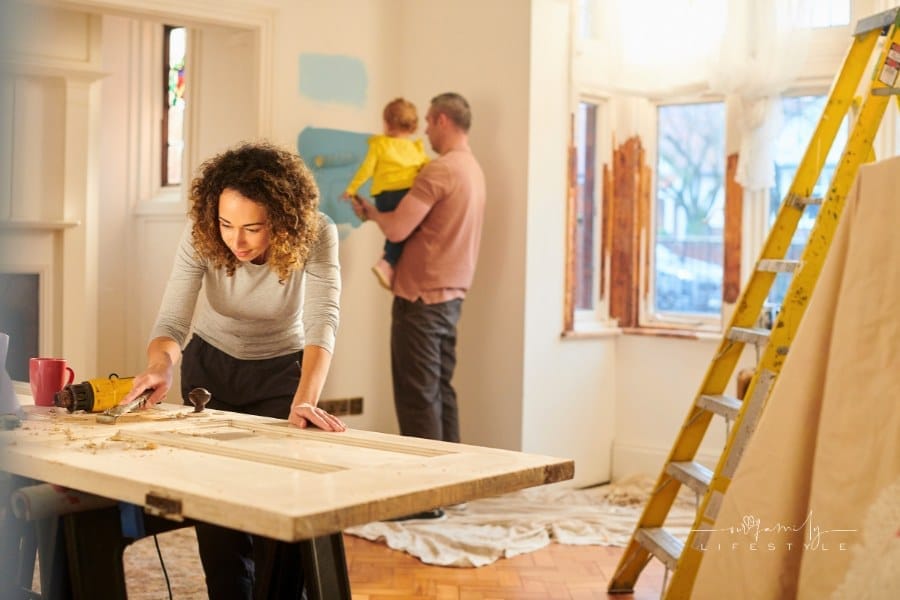
Thanks to the rise of DIY-friendly materials and detailed online guides, homeowners can experiment with styles without requiring professional installation for every step.
A weekend project replacing door surrounds can breathe new life into a dated hallway or corridor.
Architrave may seem like a minor detail, but its influence on interior aesthetics is significant. More than a trim or a finishing touch, it’s a design statement that combines function with style.
It brings definition to spaces, enhances architectural form, and provides opportunities for self-expression within the home.
Whether you opt for classic curves or minimalist lines, investing in thoughtful architrave design is a sure way to elevate your interiors. It’s not about extravagance, but about layering character into your everyday environment—one doorway at a time.