

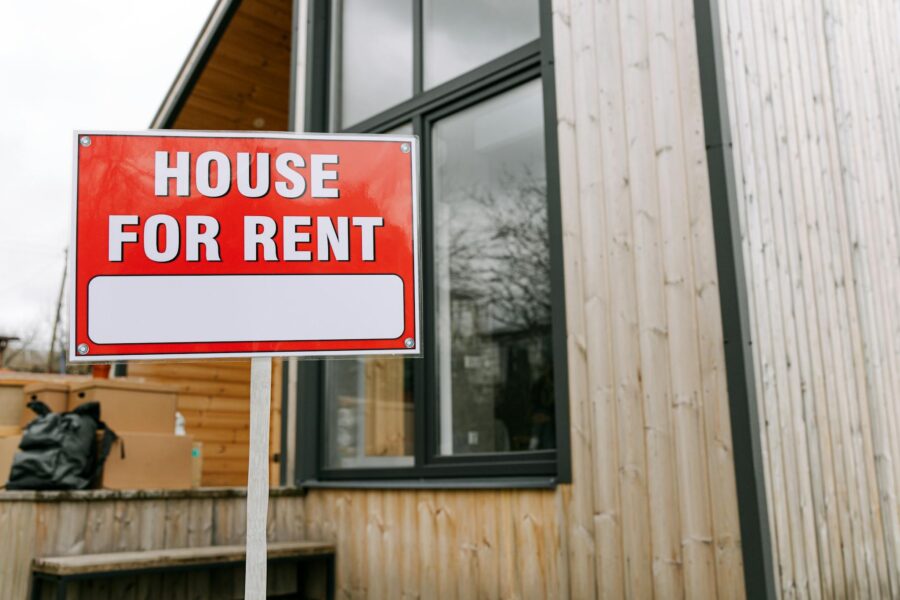
Vacancies will kill your rental profits like nothing else. Every month a unit sits empty means lost rent and bigger out-of-pocket expenses. Successful landlords have a strategy for filling vacancies and prioritize the task.
Thankfully, there are proven ways to shorten downtime between tenants and maintain consistent rental income.
1. Hire a property management company
One of the easiest ways to keep vacancies filled is to hire a property management company to handle your rentals. They know exactly where and how to advertise to attract high-quality, reliable tenants. The benefits extend beyond vacancies.
For example, Green Residential, a property management company from Sugarland, Texas, helps investors attract, screen, and select tenants with ease. They also handle everything from rent collection and maintenance to notices and emergency repairs.
Working with a property manager takes the guesswork out of keeping your rentals full and avoiding costly vacancies.

2. Market more effectively
If you’re struggling to rent out your property, it could be because you’re not reaching the right prospective tenants. If people don’t know your property is available, they can’t apply.
You probably already know the fundamentals. Create listings with professional photos to get more inquiries and add a 3D virtual tour to allow people to look at the property before scheduling a showing. But what you may not realize is that your headlines and descriptions matter. For example, most tenants won’t care if you just installed new cabinets, but they’ll pick up the phone if the property is walking distance to public transportation or pet-friendly.
Another thing to consider is the rent. If it’s too low, people will think it’s a scam or there’s something horribly wrong with the place. If it’s too high, people will just ignore it altogether.
If your ads aren’t getting much response, they’re either listed in the wrong place, your rent is suspiciously high or low, or they’re not compelling enough to make people take action.
3. Price competitively
Rent pricing plays a major role in whether or not you’ll have a long-term vacancy, but you can’t just lower the rent and expect to get good tenants. Check in with market rates and compare your rent against similar units in your area to set a fair rate. You can also offer move-in incentives like waiving the application fee or a discount on the first month’s rent.
Whatever you do, avoid cutting rent too much under market rates. It will cut into your profits and you’ll have a hard time raising the rent later on.
4. Create a system for the screening process
Screening tenants takes time, and if you don’t get it done quickly, you’ll end up with lingering vacancies. By creating a system for screening applicants, the process will be more reliable. It helps to accept and process all applications online. Some systems will automatically ignore applications that are incomplete or contain information that indicates the applicant doesn’t meet your qualifications.
During the screening process, keep your prospective tenants informed of what’s going on to prevent them from renting from someone else while they’re waiting.
5. Prioritize tenant retention
Keeping tenants long-term is the most effective strategy to limit vacancies. Build good relationships with your tenants by responding fast to maintenance and repair needs and communicating respectfully. When a lease is up, offer renewal incentives like small upgrades or flexible lease terms. Most importantly, don’t raise the rent excessively. Gradual, reasonable increases are less likely to make a tenant move.
6. Stay on top of maintenance
A well-maintained property will rent faster and attract better tenants. Curb appeal matters. Good landscaping and a well-kept, clean exterior will create a strong first impression. On the inside, new lighting and fresh paint can make a unit more appealing. People don’t want to move into a place that looks run down and dingy, even if it’s just on the outside.
7. Offer flexible leases
When you lean into a tenant’s needs, you can reduce vacancies significantly. Often, this means offering shorter lease terms like three or six-month leases. A lot of tenants are hesitant to commit to an entire year before knowing if they’ll like the place. Flexible leases can make a huge difference. Making your units pet-friendly also makes a property more appealing.
Protect your profits by reducing vacancies
Limiting vacancies requires more than just getting your empty units filled. It means marketing effectively, pricing your units fairly, creating good tenant relationships, and making your property appealing. Every day a property sits empty is money lost. But with the right strategies, vacancies don’t have to drain your profits.