
You can make wedding planning less stressful by staying organized, communicating with those involved, and sharing tasks when you can.
This simple approach helps you avoid feeling overwhelmed and lets you focus on what’s important—enjoying the experience.
Wedding planning often feels like there’s too much to do in too little time, but you do not have to handle it all on your own.
When you take small steps, ask for help, and plan out your tasks, you can reduce stress and look forward to your big day.
Keep reading to learn easy and practical ways to manage your wedding plans without losing your calm. These tips can help you spend less time feeling worried and more time making happy memories.

Core Strategies for Making Wedding Planning Less Stressful
Planning your wedding is easier when you use clear steps that help you manage time, money, and tasks. Clear goals, teamwork, and good communication help things go smoothly and keep stress levels lower.
Setting a Realistic Budget and Expectations
Start by talking with your partner or family about how much money you have to spend. Decide on your total budget and divide it into categories like the venue, food, and clothing. It helps to write down each cost so you know what is most important.
Use a simple chart or a budgeting app to keep track. Remember, expensive details are not always better. Focus on what fits your style and needs.
For example, if you are looking for wedding outfits, you may want to check the JJ’s House collection of elegant wedding dresses to find stylish options at different price points.
Set realistic expectations about what you can afford. It is helpful to share your budget limits with everyone involved, so there are no surprises. This keeps stress down and avoids last-minute changes.
Staying Organized With Checklists and Binders
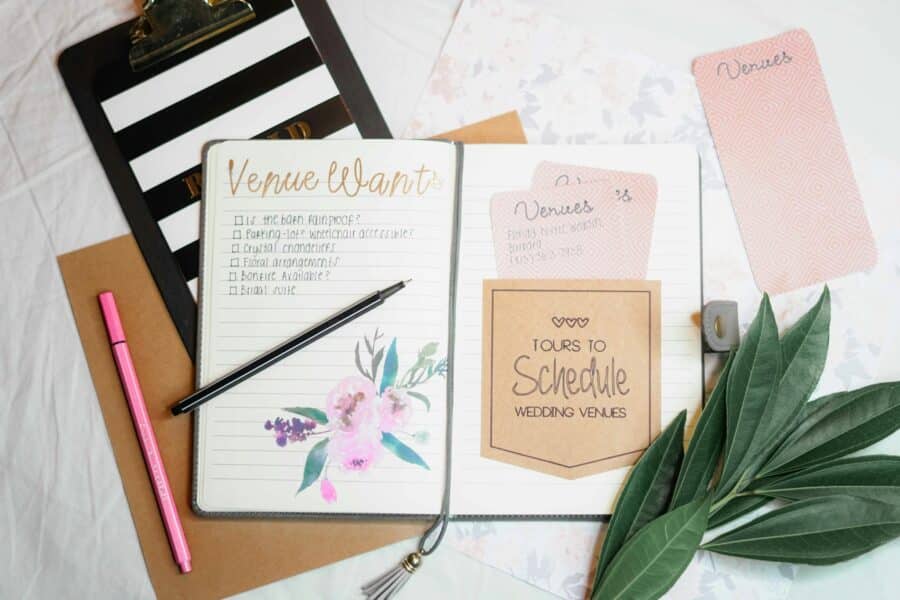
Keeping wedding details in order is easier with checklists and binders. Start by making a list of all tasks and deadlines, such as booking the venue, picking a dress, and sending invitations.
Break big tasks into smaller steps, and check each one off as you finish. A simple wedding planner, app, or plain notebook helps to track appointments, payments, and ideas in one place. Use sections for each category, like guests, food, decorations, and clothing.
Store printed contracts, invoices, and swatches in a binder. Keeping everything together makes it easier to find what you need right away. Staying organized helps avoid missed deadlines and last-minute stress.
Dividing Tasks and Roles Effectively
You do not have to do everything alone. Assign clear tasks to your partner, friends, or family. Make a list of wedding jobs such as calling vendors, making decorations, or tasting cake samples.
Talk about each person's strengths and what they like to do. Divide big tasks into smaller parts and ask for help early. Some people may enjoy organizing music, while others handle guest lists or find venues.
Sharing responsibilities saves time and lowers pressure.
Managing Vendor Communication
Clear communication with vendors is important for avoiding confusion and delays. Contact vendors early and keep records of what you agree on. Make sure you have one place to save notes, quotes, and phone numbers.
Confirm each detail in writing, such as costs, dates, and what is included in the service. Ask questions if you do not understand something, and speak up if changes are needed. Respond to emails or phone calls quickly so nothing is missed.
Set up reminders for deposits, meetings, and due dates. This helps keep everything moving forward. Sharing a timeline with vendors helps everyone stay on track and makes planning less stressful.
Supporting Your Well-Being Throughout Wedding Planning
Taking care of yourself during wedding planning helps manage stress and keeps you feeling your best. Focusing on your mental health, navigating family expectations, and setting healthy boundaries with social media make the process smoother.
Prioritizing Self-Care and Mental Health
Setting aside time for self-care is important as you plan your wedding. Simple habits like getting enough sleep, eating regular meals, and taking short walks can help lift your mood and energy.
If you start feeling overwhelmed, talking with a trusted friend or counselor can give you helpful support and new perspectives.
Making a schedule and breaking tasks into small steps helps prevent burnout. Try adding relaxing activities, such as meditation or reading, to your daily routine.
If you need alone time, let others know and don’t feel guilty about pausing to rest. Practicing mindfulness can also decrease anxiety and help you focus on what really matters.
Balancing Family Dynamics and Social Pressures
Weddings often come with opinions and expectations from family and friends. You might feel pressure to do things a certain way or to meet everyone’s wishes. It’s okay to set clear boundaries and stick to what feels right for you and your partner.
Open and honest communication helps avoid misunderstandings. If you disagree with someone, listen politely but stay firm about your choices.
Writing down your top three priorities for the wedding can help you keep focused when family opinions start to feel overwhelming.
Remember, it’s normal if not everyone agrees. What matters most is that your wedding feels special to you and your partner. Seeking support from people you trust can make decisions easier.
Minimizing Social Media Stress
Social media often shows only the best parts of wedding planning, which can lead to unfair comparisons. If seeing others’ posts makes you anxious or unhappy, consider limiting your screen time, especially during busy planning days.
You can choose to unfollow or mute accounts that spark stress. Posting less or taking breaks from sharing updates helps you stay focused on your own experience.
Remember, most online wedding photos are carefully styled and don’t show the hard work behind the scenes.
Keeping a private photo journal or sharing special moments only with close friends can be more meaningful. Protecting your privacy gives you space to enjoy your engagement without outside pressure.